
10 Baby Names Inspired By Different Forms Of Goddess Durga (Navadurga)

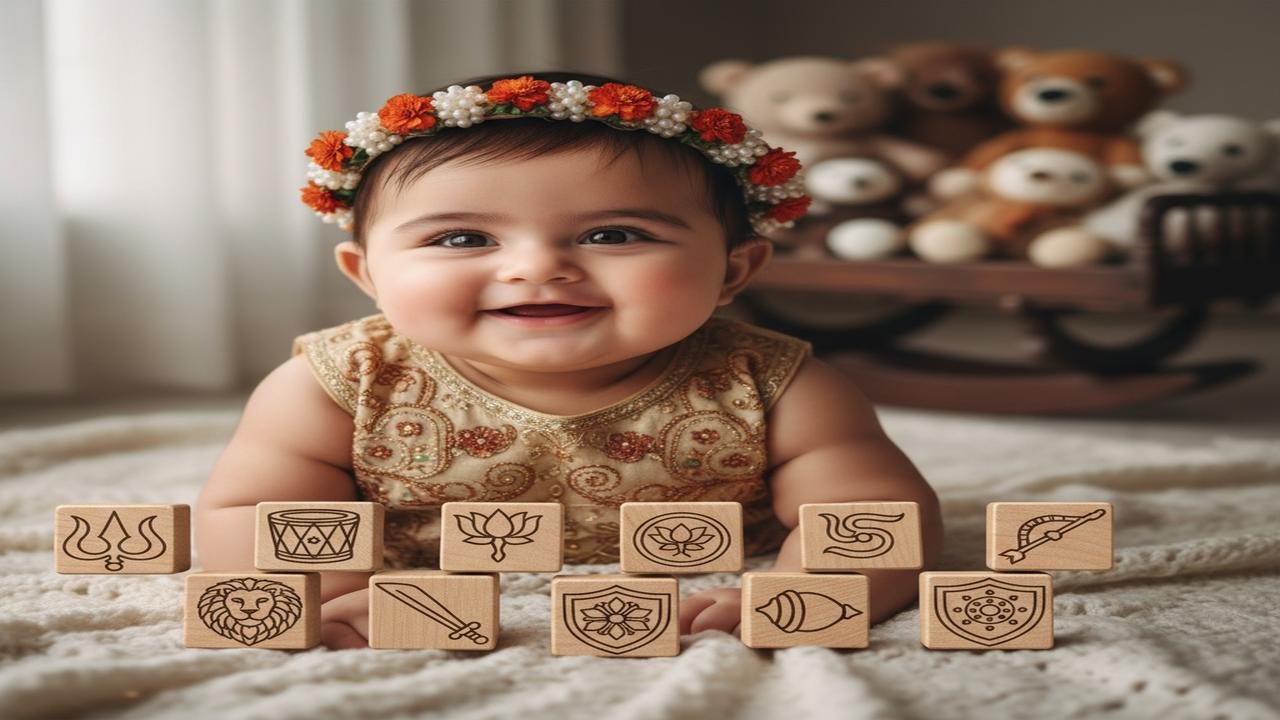
Navadurga — literally “nine (nava) Durgas” — refers to nine distinctive forms of the Goddess worshipped across Navaratri and in many Puranic and devotional texts, especially the Devi Mahatmya (part of the Markandeya Purana). Different regions and traditions (Śākta, Smārta, local village cults) emphasize different attributes, stories and iconography, so names inspired by these forms carry a range of meanings: strength, compassion, asceticism, motherhood, fierce protection and spiritual accomplishment. Below are ten baby-name ideas drawn from the Navadurga cycle, with meanings, the Durga form they are linked to, suitability notes and a short cultural context to help families choose with care.
How names connect to the nine forms
The traditional sequence of Navadurga across the nine nights of Navaratri is: Shailaputri, Brahmacharini, Chandraghanta, Kushmanda, Skandamata, Katyayani, Kalaratri, Mahagauri and Siddhidatri. Each form highlights a quality—devotion and endurance, fierce protection, cosmic creative power, motherhood, auspicious marriage, annihilation of darkness, purity and bestowal of spiritual powers (siddhis). Regional lists and names can vary: for example, Bengal’s Durga-puja emphasizes Devi Mahatmya recitations and different epithets, while parts of North India may add local goddesses or use alternative names.
10 baby names inspired by the Navadurga
-
Shailaja (शैलजा)
Meaning: “Daughter of the mountain” (from shaila — mountain). Connection: evokes Shailaputri, the first Navadurga, who is the daughter of the Himalaya and embodies steadfastness and simple devotion. Suitability: almost always feminine. Nicknames: Shailu, Jaya. Context: Shailaja also connects to the story of Parvati and is popular in South and West India.
-
Brahmi (ब्राह्मी)
Meaning: “Of Brahma” or “learned/intelligent.” Connection: Suggestive of Brahmacharini, the second form who represents ascetic discipline (brahmacharya — spiritual practice). Suitability: feminine; connotes study and steady discipline. Nicknames: Brahmi, Bhu. Context: Good for families who value study, tapasya (austerity) and inner strength. In some traditions, formal naming ceremonies might connect this name with auspicious nakshatra timings.
-
Chandrika (चन्द्रिका)
Meaning: “Moonlight.” Connection: inspired by Chandraghanta, whose moon and bell symbolism blends beauty with martial readiness. Suitability: feminine; evokes calmness that conceals courage. Nicknames: Chandu, Rika. Context: Chandrika is a soft, poetic name used across languages in India.
-
Kushmanda (कुशमण्डा)
Meaning: “Small cosmic egg” or “she who created the universe with a smile.” Connection: the fourth Navadurga, associated with cosmic creation and light. Suitability: feminine; has an evocative, mythic tone. Nicknames: Kusha, Manda. Context: Rare as a given name but meaningful for families drawn to the creative, life-giving aspect of the Goddess.
-
Skandamata (स्कन्दमाता)
Meaning: “Mother of Skanda (Kartikeya).” Connection: the fifth form, emphasizing maternal love, protection of children and the household. Suitability: feminine. Nicknames: Skanda (rarely used as a nickname for girls), Mata is honorific. Context: This name honours maternal responsibility and is especially resonant in regions where Kartikeya worship is strong.
-
Katyayani (कात्यायनी)
Meaning: “Born of the sage Katyayana” (a traditional lineage name). Connection: the sixth Navadurga, who is often invoked for valor and for marital blessings in many Puranic episodes. Suitability: feminine; widely used across India. Nicknames: Katy, Yani. Context: Katyayani is one of the most popular devotional epithets and appears in many hymns and folk traditions.
-
Kalaratri (कालरात्रि)
Meaning: “Black night” or “night of time.” Connection: the seventh Navadurga, fierce and protective — she removes darkness and ignorance. Suitability: feminine; powerful and intense. Nicknames: Ratri. Context: Names rooted in fierce forms may feel solemn; families who prefer strong, protective symbolism often choose related shorter names like Kali or Ratri.
-
Gauri (गौरी)
Meaning: “Fair, radiant.” Connection: linked to Mahagauri, the eighth Navadurga, who represents purity, beauty and graceful calm after struggle. Suitability: feminine and very traditional. Nicknames: Gau, Gauri. Context: Gauri is widely used and appears in classical literature and folk songs; it also recalls Parvati’s gentle aspect in many regions.
-
Siddhi (सिद्धि)
Meaning: “Perfection, attainment, spiritual power.” Connection: reflects Siddhidatri, the ninth Navadurga, who grants siddhis (spiritual accomplishments). Suitability: feminine; succinct and modern-sounding. Nicknames: Siddu, Dhi. Context: Popular in many languages and flexible for both traditional and contemporary households.
-
Chandi (चण्डी)
Meaning: “Fierce, intense; a name of the Goddess in the Devi Mahatmya.” Connection: Chandi/Chandika is the form praised in the Devi Mahatmya and often recited during Navaratri; it denotes ferocity against adharma (unrighteousness). Suitability: feminine; bold and classical. Nicknames: Chan, Di. Context: Chandi underlines divine fierceness used for protection and cosmic order; families preferring strong mythic names may like it.
Practical and cultural notes
Choosing a devotional or theophoric name is a cultural act as much as a personal one. Some families follow astrological guidelines (nakshatra, rashi) or consult elders and priests; others simply pick meanings that resonate. Across traditions there is interpretive diversity: specific stories and attributes can vary by region, language and lineage—be humble about claiming a single “correct” reading. If you plan to observe Navaratri fasts while pregnant or nursing, consult a medical professional before making changes to diet or routine.
Names drawn from the Navadurga combine rich mythic resonance with everyday usability. Whether you choose a direct epithet (Katyayani, Siddhi) or a related form (Shailaja, Chandrika), the most lasting quality is how the name feels within family and community life: easy to speak, meaningful to elders, and respectful of the living traditions that give it depth.
