
10 Indian baby names inspired by Diwali and lights

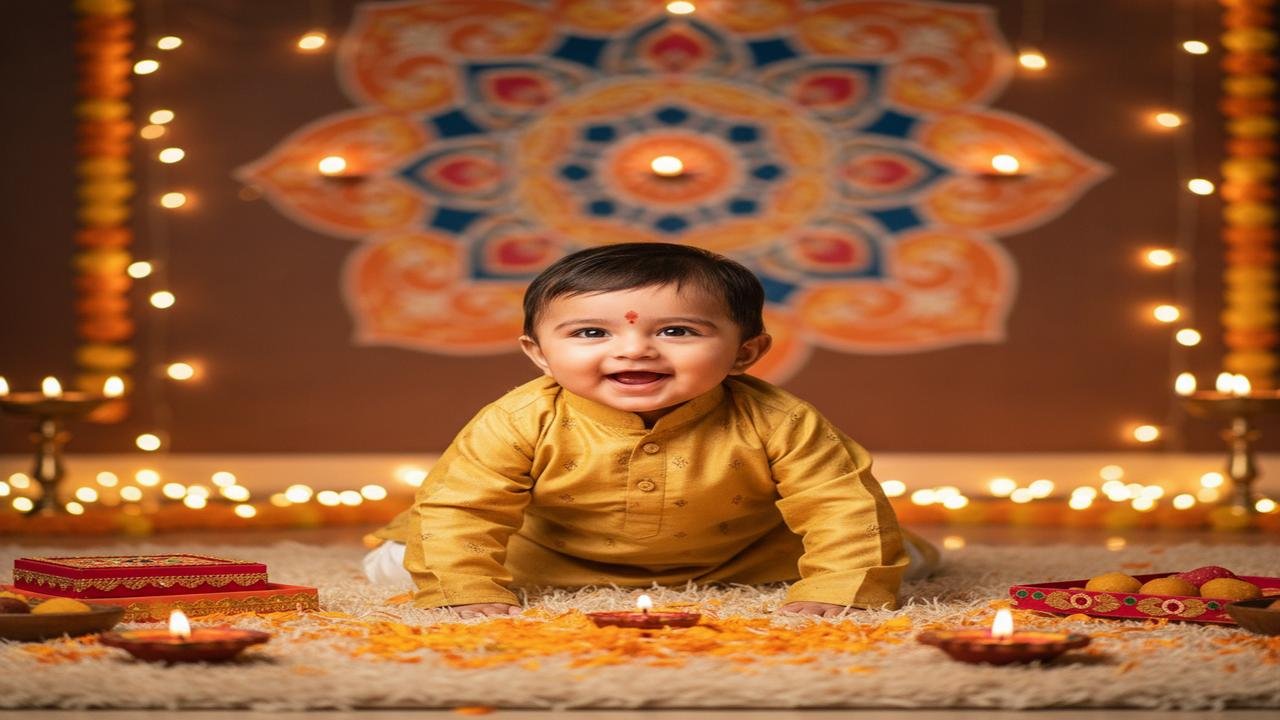
Names inspired by Diwali and the symbolism of light
Diwali (also *Deepavali* — “row of lamps”) is widely associated with light defeating darkness, prosperity, and new beginnings. Different regions and traditions read the festival in their own ways: in many northern communities it marks Lord Rāma’s return to Ayodhyā, while in other regions it emphasises the worship of Lakṣmī or the new financial year for traders. Below are ten names drawn from the languages and images of Diwali — lamps, rays, flame, sanctified ritual — with meanings, brief cultural notes, and simple pronunciation cues. I note where interpretive differences exist, and offer short tips for families following particular naming customs.
1. Deepa / Deepika
- Meaning: “Lamp”; “little lamp” (Deepika is a diminutive)
- Gender: usually feminine
- Pronunciation: DEE-pah / DEE-pee-kah
- Cultural note: The root *dīpa* appears in festival names (*Deepavali*) and many hymns. Deepa is simple, classical, and used across languages.
- Variants & nicknames: Deep, Deepu, Dipika.
2. Diya
- Meaning: “Small oil lamp” or “light”
- Gender: feminine (often used in modern naming)
- Pronunciation: DEE-yah
- Cultural note: The diya is the everyday symbol of Diwali. The word is Hindi/Prakrit-derived and widely recognised.
3. Deepansh
- Meaning: “Part of the lamp” or “a portion of light”
- Gender: masculine or unisex
- Pronunciation: DEE-pahnsh
- Cultural note: A modern compound in Sanskrit style (*dīpa* + *aṃśa*). It evokes being connected to light rather than simply being luminous.
4. Deepankar
- Meaning: “One who lights lamps”
- Gender: masculine
- Pronunciation: DEE-pahn-kar
- Cultural note: Traditional compound names like this are common in many regions and suggest duty or role — here, the person who brings light.
5. Jyoti
- Meaning: “Light,” “flame,” or “splendor”
- Gender: feminine; used unisex in some contexts
- Pronunciation: JYO-tee
- Cultural note: A classical word frequently found in devotional poetry and modern names. Related words (e.g., *jyotsna* — moonlight) broaden the imagery.
6. Prakash
- Meaning: “Light,” “illumination”
- Gender: masculine, sometimes unisex
- Pronunciation: pruh-KAHSH
- Cultural note: Common across India, the name is used both literally and metaphorically (illumination of knowledge or awareness). Gītā commentators, for example, often use light-imagery to describe spiritual clarity; interpretations vary by school.
7. Kiran / Kirana
- Meaning: “Ray of light”
- Gender: Kiran generally masculine or unisex; Kirana used as feminine
- Pronunciation: KEE-ran / KEE-rah-na
- Cultural note: Evokes the morning sun or a lamp’s ray — suitable for families who like nature-linked imagery.
8. Aarati / Aarti
- Meaning: “Waving of the lamp” — the ritual offering of light in worship
- Gender: feminine
- Pronunciation: AA-rah-tee / AA-ree-tee (regional variants)
- Cultural note: The ritual is central to many household and temple observances, especially during festival evenings. Some families prefer not to use ritual names for worldly persons; others accept them as devotional reminders.
9. Shriya
- Meaning: “Fortunate,” “auspicious,” often read as “beloved of Śrī (Lakṣmī)”
- Gender: feminine
- Pronunciation: SHREE-yah
- Cultural note: Śrī (Sri) is an honorific linked with Lakṣmī and auspiciousness. Naming after auspicious qualities is common; practices differ on invoking a deity’s name directly.
10. Aarush
- Meaning: “First ray of sun”; “bright,” “dawn”
- Gender: masculine
- Pronunciation: AA-roosh
- Cultural note: The dawn metaphor connects with Diwali’s renewal theme: a new season, new accounts, new resolutions. Variants include Arush, Aroosh.
Practical naming notes and cultural sensitivity
When families choose a name, they often consider regional pronunciation, family tradition (gotra, ancestral names), astrological syllables (akṣara) or nakṣatra rules, and whether they prefer classical Sanskrit or modern Hindi/Prakrit forms. Some families avoid giving a child the exact name of a living deity; others happily use names that invoke auspicious qualities such as Śrī, jñāna (knowledge), or dharma (ethical duty).
If you consult an astrologer or follow a religious naming rite, specify the textual tradition you follow (e.g., Smārta, Vaiṣṇava, regional customs) so advice is consistent with that practice. Be modest about claims: different communities assign different tithis (dates) and names as auspicious, and practices change over time.
Final thought
Names linked to Diwali and light carry layered meanings — literal, ritual, and ethical. Whether you pick a classical Sanskrit name like Jyoti, a modern compound like Deepansh, or a devotional form like Shriya, the most lasting choice is one that resonates with your family’s language, values, and life story. In Hindu traditions the name is not only personal identity but often a blessing: choose what you wish the child’s life to reflect.
