
10 Indian baby names inspired by independence leaders

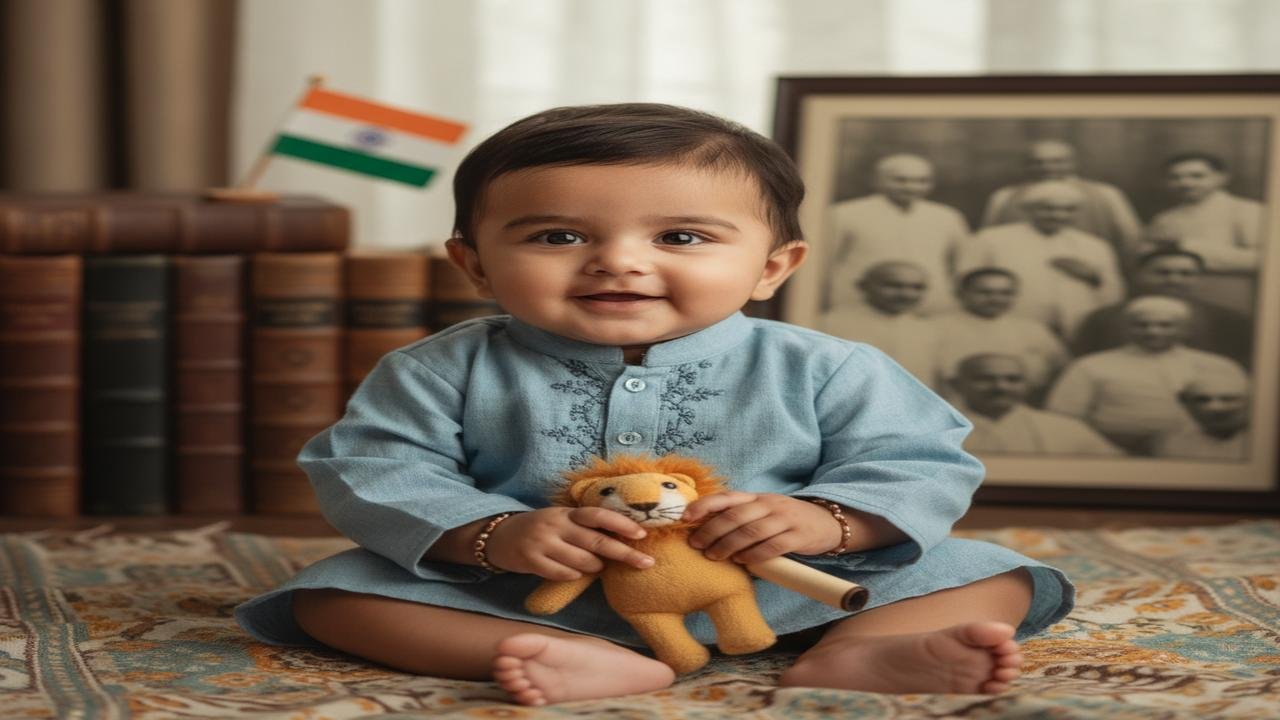
Names inspired by independence leaders — mindful choices with spiritual resonances
Choosing a baby name that draws inspiration from India’s freedom movement can combine historical memory, ethical ideals and living Hindu traditions. Below are ten names rooted in Sanskrit or widely used in India, each linked to a well-known independence-era figure, with meaning, pronunciation, spiritual resonance and practical notes. I use simple glosses for Sanskrit words on first appearance (for example, dharma — ethical duty). Different communities may read the same name through distinct devotional or philosophical lenses; where relevant I note those variances.
Ten names, meanings and notes
-
Jawahar (jawāhar) — inspired by Jawaharlal Nehru
Meaning: “jewel” or “gem.”
Why it fits: Nehru’s given name Jawaharlal literally carries this sense of preciousness; the name suggests inner value and leadership that is service-oriented.
Spiritual resonance: In Hindu naming practice, “jewel” metaphors often link to prosperity and inner refinement; suitable across sects.
Gender/variants: Masculine; variant Jawahar or shortened Jawa for a modern feel.
-
Subhas (subhās) — inspired by Subhas Chandra Bose
Meaning: “splendid,” “auspicious”.
Why it fits: Evokes courage and radiant energy, reflecting Bose’s public image of boldness and sacrifice.
Spiritual resonance: “Subha” root denotes auspiciousness; in ritual contexts it aligns with good omens rather than any single deity.
Gender/variants: Masculine; variant Subhash (common spelling).
-
Bhagat (bhagat) — inspired by Bhagat Singh
Meaning: “devotee,” “one who is pious.”
Why it fits: While Bhagat Singh is remembered for revolutionary zeal, the name itself carries devotional overtones used across devotional (bhakti) traditions.
Spiritual resonance: In many Hindu contexts bhagat denotes surrendered devotion; Gītā commentators sometimes contrast inner devotion with outward action — useful for a name that balances both.
Gender/variants: Masculine; can be used as unisex in modern usage.
-
Mohan (mohan) — inspired by Mohandas K. Gandhi
Meaning: “enchanter,” an epithet of Lord Krishna.
Why it fits: Gandhi’s given name was Mohandas; Mohan is a shorter, devotional-sounding option that connects to values such as nonviolence (ahimsa — non-harming).
Spiritual resonance: In Vaiṣṇava traditions Mohan commonly evokes Krishna; other traditions may understand it more figuratively as charm or attraction toward dharma.
Gender/variants: Masculine; Mohana is a feminine variant.
-
Vallabh (vallabh) — inspired by Sardar Vallabhbhai Patel
Meaning: “beloved,” “dear.”
Why it fits: The name reflects affection and stewardship — useful for a child whose parents value unity and responsibility.
Spiritual resonance: Vallabha appears as an epithet for both Krishna and Shiva in different texts; communities will read it through their own devotional frame.
Gender/variants: Masculine; Vallabha is a formal variant; Vallabi is rare feminine form.
-
Lakshmi (lakṣmī) — inspired by Rani Lakshmibai of Jhansi
Meaning: Goddess of prosperity and good fortune; “one who bestows auspiciousness.”
Why it fits: Rani Lakshmibai’s name links directly to the goddess, and using Lakshmi honours strength and sovereignty in a feminine form.
Spiritual resonance: Strongly associated with the goddess Lakshmi in Vaiṣṇava and Smārta households; widely acceptable across traditions with appropriate reverence.
Gender/variants: Feminine; variants Lakshmee, Laksmi.
-
Sarojini (sārojinī) — inspired by Sarojini Naidu
Meaning: “born of the lotus” or “lotus-like.”
Why it fits: Evokes poetic beauty and moral clarity; Sarojini Naidu was a poet-politician, so the name carries that hybrid cultural resonance.
Spiritual resonance: The lotus is a pan-Hindu symbol of purity (appears in Śākta and Vaiṣṇava imagery alike), so the name works across traditions.
Gender/variants: Feminine; Saroj is a masculine/neutral short form.
-
Bhim (bhīm) — inspired by B. R. Ambedkar (Bhimrao)
Meaning: “mighty,” a strong figure from the Mahābhārata (Bhīma).
Why it fits: Evokes moral strength and commitment to justice, qualities associated with Ambedkar’s life and work.
Spiritual resonance: Bhim is read differently across communities — as heroic strength in epic lore, but also as a name carrying social reform resonance today.
Gender/variants: Masculine; Bhima is classical form.
-
Kasturi (kastūrī) — inspired by Kasturba Gandhi
Meaning: “musk,” a fragrant substance often used metaphorically for spiritual attraction.
Why it fits: Kasturba (Kasturi) suggests quiet strength, patience and domestic leadership; the name is poetic and devotional in feel.
Spiritual resonance: In bhakti poetry, musk is a metaphor for inner spiritual fragrance; the name is acceptable across traditions.
Gender/variants: Feminine; Kasturi is common; Kastur may be used as short form.
-
Lalit / Lalita (lalit / lalitā) — inspired by Lal Bahadur Shastri
Meaning: “beautiful,” “graceful” (Lalit — masculine; Lalita — feminine).
Why it fits: Though Shastri’s given name includes “Lal,” choosing Lalit or Lalita keeps the echo while using a classical Sanskrit name with positive connotations.
Spiritual resonance: The root suggests grace and play (leela) in devotional contexts; many sects use both forms happily.
Gender/variants: Lalit (m), Lalita (f).
Practical tips for choosing a name
- Meaning and sound: Look for a balance between a clear meaning and ease of pronunciation within your family language(s).
- Devotional associations: If you want a name tied to a deity, note how different traditions read that name (for example, Mohan often links to Krishna in Vaiṣṇava circles).
- Ritual and astrology: Many families consult nakshatra or tithi when naming—if you plan rituals (vrata, prolonged fasts) for the child later, discuss health implications with a doctor.
- Historical sensitivity: Using a leader’s given name or a name associated with social reform carries public associations; consider how the child may experience that legacy in different contexts.
- Gender and modern use: Several of the names here work as unisex in contemporary India; consider local norms and family preference.
Each name above links a personal identity to a public history. In Hindu practice names often function as gentle reminders of values — whether devotion, service or courage. Families may prefer a formal Sanskrit name and a short daily-use pet name; both approaches have long precedents in Indian tradition.
