
10 Indian baby names inspired by the Ramayana

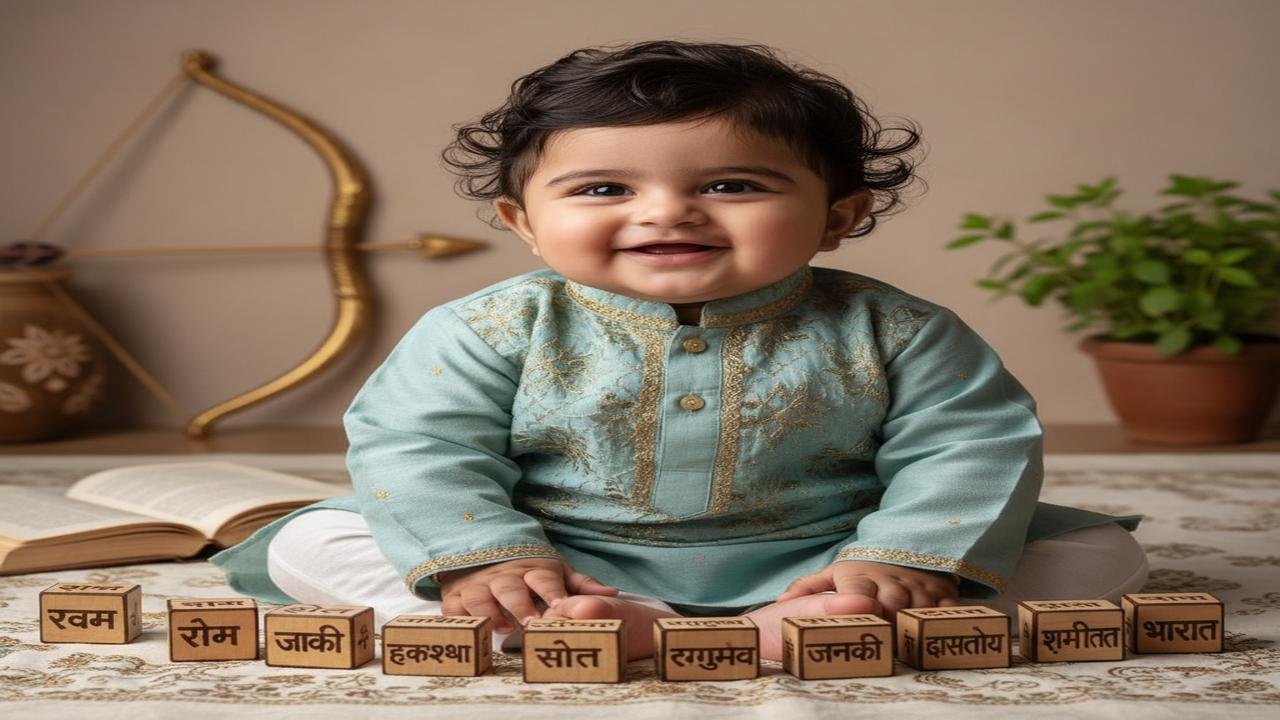
The Ramayana is not just an epic; it is a living cultural source for names that carry story, moral example and regional resonance. Below are ten baby names rooted in the Ramayana, with meanings, where they appear in the tradition, and brief notes on usage. I use simple transliteration and give short glosses for Sanskrit terms on first use — for example, dharma — ethical duty; avatāra — divine incarnation; bhakti — devotional love. Where traditions differ, I flag it.
How to read these entries
- Pronunciation: a rough guide in parentheses; regional pronunciations vary.
- Source: primary mention usually in the Valmiki Rāmāyaṇa unless noted otherwise (Kamban’s Kamba Rāmāyaṉam, Tulsidas’s Rāmcaritmānas, and regional folk retellings are also important).
- Gender: customary usage today; many names are used across genders in modern India.
- Notes: short cultural or theological considerations and common variants.
Ten Ramayana-inspired baby names
Rama (Rāma) — male
- Meaning: “the pleasing one”; a central royal name and the most famous avatāra of Viṣṇu.
- Source: Valmiki Rāmāyaṇa; pervasive across Vaiṣṇava traditions.
- Notes: Most often chosen for its direct association with ideal kingship and dharma. In devotional contexts, choosing the name may also carry the sense of devotion or blessing. Variants: Ram, Ramachandra.
Sita (Sītā, also Janaki) — female
- Meaning: “furrow” (associated with earth and fertility); Janaki means “daughter of Janaka.”
- Source: Valmiki Rāmāyaṇa; later devotional texts highlight her purity and steadfastness.
- Notes: Widely used across India; Janaki emphasizes lineage. Theological readings differ about what her trials symbolise; some read them as exemplary virtue, while feminist scholars explore other angles.
Lakshmana (Lakṣmaṇa) — male
- Meaning: “having auspicious marks”; Rama’s younger brother and constant companion.
- Source: Valmiki Rāmāyaṇa.
- Notes: Symbol of sibling loyalty and service. Variant spellings include Lakshman or Laxman.
Bharata — male
- Meaning: name of a legendary king and Rama’s brother; sometimes read as “to be maintained” or connected with the ancient king Bharata.
- Source: Valmiki Rāmāyaṇa.
- Notes: Associated with restraint and commitment to duty; used as a given name and occasionally as a secular cultural name (Bharat).
Shatrughna — male
- Meaning: “destroyer of enemies” (śatru = enemy, ghna = destroyer).
- Source: Valmiki Rāmāyaṇa; the youngest brother of Rama.
- Notes: Less common in everyday use but present in some regional traditions. Variants: Shatrughan.
Hanuman — male
- Meaning: exact etymology debated; popularly associated with strength and devotion.
- Source: Valmiki Rāmāyaṇa and many later devotional texts; central figure of bhakti to Rama.
- Notes: Popular across India as a devotional name; in some communities, Hanuman is invoked for protection and courage. Be aware of animal-figure associations in classical stories (he is a vanara).
Urmīla (Urmilā) — female
- Meaning: “wave” or “enveloper”; Lakshmana’s wife in the epic.
- Source: Valmiki Rāmāyaṇa and later commentaries.
- Notes: Celebrated in some retellings for her quiet strength; used as a classical but not overly common name.
Mandodari — female
- Meaning: often interpreted as “one with a sweet or soft throat” (various etymologies exist).
- Source: Valmiki Rāmāyaṇa — queen of Rāvana.
- Notes: Her portrayal varies widely: some texts depict her as wise and sorrowing at her husband’s deeds; others present her differently. Choosing this name invites awareness of narrative complexity rather than simple hero/villain labels.
Vibhishana — male
- Meaning: often taken as “terrible splendour” or “one who causes fear” by etymology, but the figure is notable for choosing righteousness over loyalty to wrongdoing.
- Source: Valmiki Rāmāyaṇa.
- Notes: Revered in many traditions for his decision to support Rama; used as a name particularly where moral courage is emphasized.
Sugriva — male
- Meaning: “one with good neck” in literal terms; leader among the vanaras and ally of Rama.
- Source: Valmiki Rāmāyaṇa and regional epic retellings.
- Notes: Associated with leadership, refuge and the recovery of lost strength. Variants: Sugreev, Sugriv.
Choosing a name — etiquette and cultural notes
Picking a name from the Ramayana can connect a child to a rich cultural and ethical vocabulary. Some practical suggestions:
- Consider how the name sounds with family names and regional pronunciation.
- Be aware that characters in the epic are complex; many are neither wholly good nor wholly bad. If theological connotations matter (for example, invoking Rama as a divine avatāra), discuss with family or community elders.
- Respect local customs around naming ceremonies and timings (tithi) if you plan to follow ritual traditions; these vary across regions and communities.
Finally, these entries aim to be descriptive rather than prescriptive. The Ramayana is read and lived in many ways across India — in Sanskrit, Tamil, Hindi, Bengali and many oral forms — and names drawn from it carry those multiple histories. Choosing a name is also a choice about memory and conversation, so a little reading of the relevant passages (Valmiki’s chapters or a regional retelling) can enrich that choice.
