
10 Indian baby names inspired by music and ragas

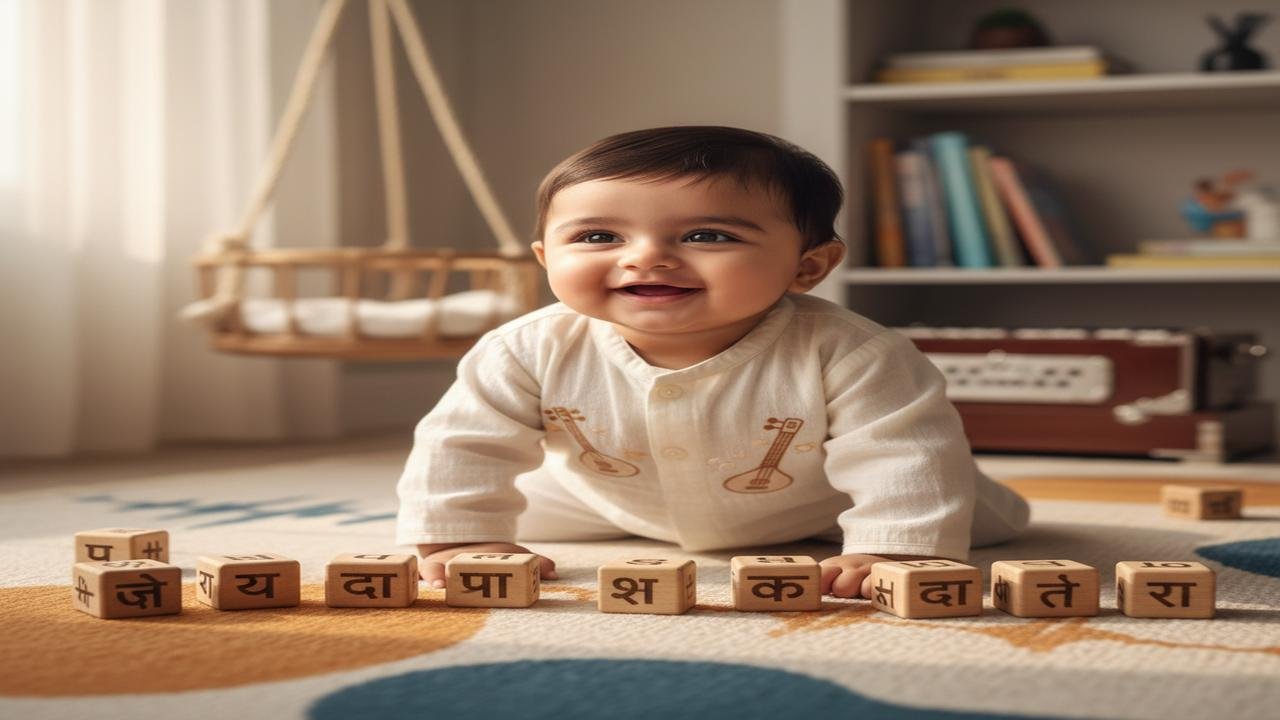
Music, ragas and names: a brief note
Many Indian names draw on musical vocabulary and the system of rāga — melodic frameworks used in classical music that carry time, mood and devotional associations. Below are ten names inspired by ragas and musical concepts, with meanings, pronunciation cues, gender usage and short cultural notes. Where relevant I indicate how different traditions might read the name; practices vary across regions and families.
10 names inspired by music and rāgas
1. Bhairavi (भैरवी) — f
- Pronunciation: BAI-rah-vee
- Meaning / source: From the rāga Bhairavi; also related to Bhairavi, a fierce form of the Goddess in Tantric and Śakta contexts.
- Musical / cultural note: Bhairavi in Hindustani music is associated with early morning and devotional moods; in Carnatic contexts there is also a Bhairavi melakarta. The name carries both musical and sacred resonances.
- Usage: Widely used for girls; respectful of goddess associations is customary in some families.
2. Kalyani (कल्याणी) — f
- Pronunciation: kul-YAA-nee
- Meaning / source: From the rāga Kalyani (called Yaman or Yaman Kalyan in Hindustani). Kalyāṇa means auspicious or beneficent.
- Musical / cultural note: A major evening/auspicious raga in Carnatic and Hindustani repertoires; often used for invocatory pieces in temples and concerts.
- Usage: Common feminine name in South India; conveys auspiciousness and melodic beauty.
3. Mohana / Mohana (मोहन / मोहनाः) — m / f
- Pronunciation: MO-han / mo-HA-na
- Meaning / source: From the pentatonic rāga Mohanam (Carnatic) / Mohan (used in vernacular); it means “that which enchants” (from mohana, to enchant).
- Musical / cultural note: Mohanam/Mohanam is cheerful, devotional and widely loved; it appears in bhajans and film music too.
- Usage: Mohan is a traditional masculine name (also an epithet of Krishna); Mohana/Mohanam are feminine forms.
4. Hamsa / Hamsini (हंस / हंसिनी) — unisex / f
- Pronunciation: HUM-sa / hum-SEE-nee
- Meaning / source: Hamsa means swan; associated with ragas such as Hamsadhwani (a popular invocatory raga). Hamsini is a feminine derivation.
- Musical / cultural note: Hamsadhwani is often sung at the start of Carnatic concerts; the swan is a symbol of discrimination and spiritual listening in Indian literature.
- Usage: Hamsa can be unisex; Hamsini is used for girls. The name evokes purity of sound and discernment.
5. Kedar (केदार) — m
- Pronunciation: kay-DAAR
- Meaning / source: From rāga Kedar; also a name of Lord Shiva (Kedāra, as in Kedarnath).
- Musical / cultural note: Kedar raga has strong temple and devotional associations, especially in Himalayan Śaiva contexts. In music it conveys a serene, devotional mood.
- Usage: Masculine; carries both musical and theistic resonance for families comfortable with Shiva-associated names.
6. Yaman (यमन) — m
- Pronunciation: YA-man
- Meaning / source: From the Hindustani rāga Yaman (equivalent to Kalyani/Kalyan variants); the name suggests evening calm and devotion.
- Musical / cultural note: Yaman is a foundational evening raga taught early in many gharana and conservatory traditions; its mood is devotional and expansive.
- Usage: Used as a masculine name in modern India; some families prefer Kalyan/Yaman as alternatives.
7. Ragini (रागिणी) — f
- Pronunciation: RA-ghee-nee
- Meaning / source: Feminine form of rāga — literally “melody” or “female raga” in medieval musical and poetic taxonomies.
- Musical / cultural note: Historically, medieval texts personified rāgas as ragas and raginis. Today Ragini works as a gentle, melodic name with literary undertones.
- Usage: Common feminine name; evokes art, poetry and music.
8. Svara (स्वर) — unisex
- Pronunciation: SVA-ra
- Meaning / source: Sanskrit for a musical note or tone — the seven notes are sa, re, ga, ma, pa, dha, ni.
- Musical / cultural note: Svara is foundational to both Hindustani and Carnatic theory; as a name it highlights sound, articulation and the building blocks of melody.
- Usage: Unisex and modern-sounding; often chosen by parents who want a concise, meaningful musical name.
9. Charukeshi (चारुकेशी) — f
- Pronunciation: cha-ru-KAY-shee
- Meaning / source: A Carnatic melakarta/rāga name meaning roughly “beautiful-haired” or composed of charu (beautiful) + kēśi (hair). In musical terms it evokes pathos and compassion.
- Musical / cultural note: Charukeshi is used for expressive keertanas and film songs; it carries lyrical, emotive associations.
- Usage: Feminine; elegant and less common, for parents who appreciate Carnatic repertoire.
10. Pranava (प्रणव) — m
- Pronunciation: pra-NA-va
- Meaning / source: The sacred primordial sound Om is called pranava — a syllable foundational to mantra recitation and Vedic chant.
- Musical / cultural note: Though not a rāga, Pranava situates the name in the spiritual acoustics of Indian tradition: the primacy of sound, breath and chant in ritual life. Different schools interpret the metaphysics of Om in diverse ways.
- Usage: Masculine but used more widely in contemporary naming; conveys spiritual depth and sonority.
Quick tips for choosing
- Context matters: Some names (Bhairavi, Kedar) carry explicit deity associations — consider your family’s devotional tradition before deciding.
- Pronunciation and script: Decide whether you prefer a Sanskrit transliteration (Bhairavi) or a regional spelling (Bhairavi / Bhairavee), and check how it reads in your native script.
- Astrology and rituals: In many families, birth-chart or natal-tithi customs determine initial letters; these practices vary across Hindu communities.
- Complementary names: For siblings or middle names, choose complementary musical terms (e.g., Svara + Ragini, Kalyani + Charukeshi) or devotional names (e.g., Kedar + Krishna) to balance meaning and sound.
Names drawn from music and rāgas connect a child to a long cultural history of listening, devotion and artistry. If you follow naming rites tied to caste, gotra or astrology, consult the elders or a trusted practitioner before finalising the name. The musical world is rich and plural; different gharanas, sampradayas and regional traditions will emphasise different associations, so consider both sound and cultural fit when you choose.
