
10 Odia baby names inspired by Jagannath culture

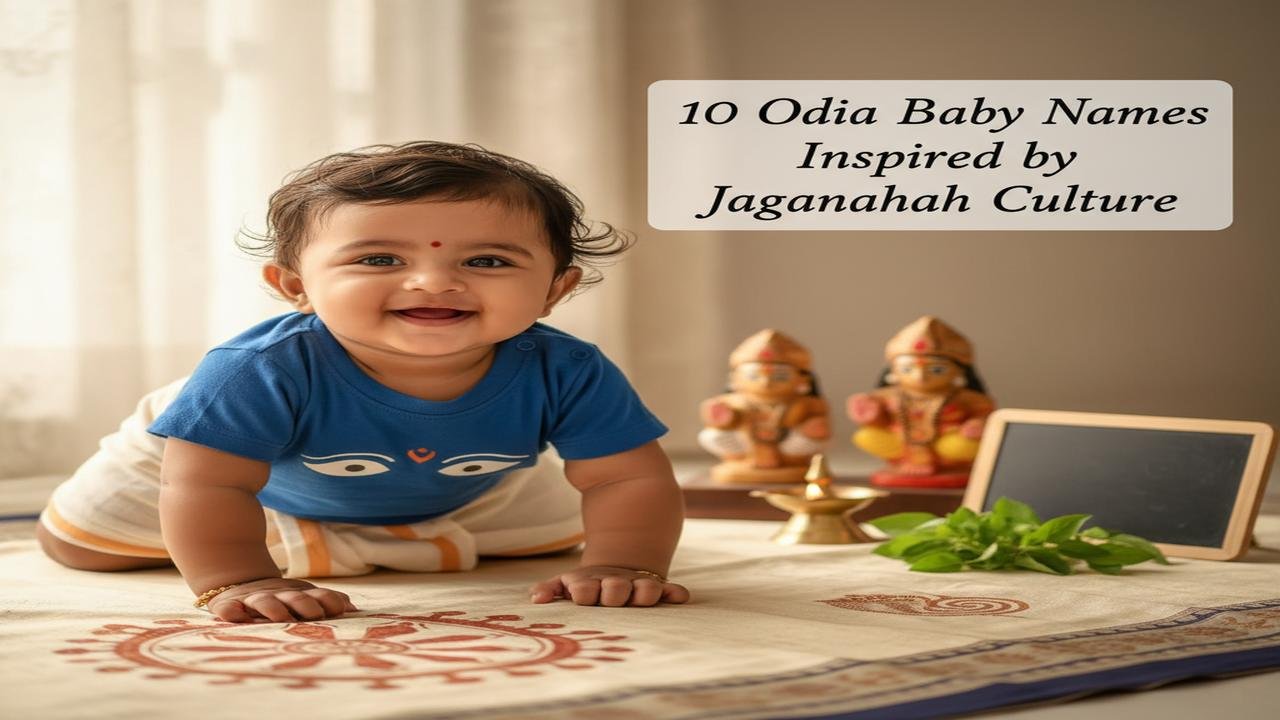
Introduction: names from a living temple culture
The Jagannath culture of Puri — a vibrant blend of temple ritual, Odia folk practice and Vaishnava devotion — has long supplied names, images and stories that families use when naming children. In Vaishnava readings, Jagannath is often regarded as an avatara — an incarnation — of Vishnu; scholars also note the shrine’s deep local and tribal connections, which make its vocabulary rich and distinctive. Below are ten Odia baby-name suggestions inspired by this tradition. Each entry gives meaning, cultural context and practical points like gender use and nicknames. If you plan to use a name tied to sacred figures or places, discuss it with family elders and, where relevant, a pandit or community elder to respect local practice.
Naming customs and considerations
- Context matters. In many Odia families, names come from family tradition, astrological guidance based on nakshatra, or devotional choice. If using a temple name or a divine name, families often combine it with a personal or family name.
- Religious sensitivity. Names of deities (for example, Jagannath, Balabhadra, Subhadra) are common; still, local customs may prescribe certain usages, honorifics or avoidance in informal speech.
- Pronunciation and spelling. Odia sounds are specific; a simple phonetic guide is given with each name. For official documents, decide a consistent Roman-script spelling up front.
- Astrology and syllables. Traditional naming sometimes uses a child’s nakshatra to determine starting syllables. If you follow this practice, consult a knowledgeable family astrologer; otherwise choose a name that resonates.
10 Odia baby names inspired by Jagannath culture
1. Niladri
- Meaning: “Blue mountain” (Niladri is the name of the hill/temple compound where Jagannath resides in Puri).
- Context: Niladri evokes the temple’s geography and is used in hymns and ritual speech. It carries strong local identity with Puri and Odia devotional tradition.
- Gender: Unisex; more commonly masculine but suitable either way.
- Pronunciation: NEE-luh-dree.
- Nicknames: Nila, Dri.
2. Nilachakra (Nilachakra)
- Meaning: “Blue wheel” — the sacred wheel (chakra) often associated with Jagannath’s temple flag and the Sudarshana emblem.
- Context: The chakra — Sanskrit for “wheel” — is an important Vaishnava symbol. Nilachakra links to the temple’s iconography and the protective aspect of the deity.
- Gender: Unisex; feels devotional and symbolic.
- Pronunciation: NEE-lah-CHUH-krah.
- Nicknames: Nila, Chakra.
3. Balabhadra
- Meaning: “Strong brother” — traditional name of Lord Balarama, elder brother of Krishna and one of the triad at Jagannath Temple.
- Context: Balabhadra is one of the three core deities worshipped in Puri alongside Jagannath and Subhadra; the name carries clear scriptural and ritual status.
- Gender: Masculine.
- Pronunciation: Buh-LUH-buh-druh.
- Nicknames: Bala, Babu.
4. Subhadra
- Meaning: “Auspicious sister” — the sister of Jagannath and Balabhadra, central to the temple’s iconography.
- Context: Subhadra is widely used as a female name across Odisha and carries a devotional resonance linked to the Jagannath triad.
- Gender: Feminine.
- Pronunciation: Suh-BHAH-drah.
- Nicknames: Subha, Bhadra.
5. Sudarshana
- Meaning: “Good to behold”; name of the divine discus (Sudarshana Chakra) associated with Vishnu and Jagannath.
- Context: In Puri ritual, Sudarshana is both a symbol and a protective deity invoked in temple rites.
- Gender: Masculine (also used as a gender-neutral devotional name in some families).
- Pronunciation: Soo-DAR-shuh-nuh.
- Nicknames: Sudu, Darshan.
6. Indradyumna
- Meaning: “Power like Indra” — name of the legendary king who, according to tradition, established Jagannath’s temple at Puri.
- Context: The story of King Indradyumna is embedded in temple chronicles; the name connects to founding myth and royal patronage.
- Gender: Masculine.
- Pronunciation: In-drah-DYOO-muh-nuh.
- Nicknames: Indra, Dym.
7. Darubrahma
- Meaning: “Daru” (wood) + “Brahma” (ultimate reality): the sacred neem logs (the daru) used to carve the deities are sometimes called Darubrahma.
- Context: The term underscores the idea that the tree itself is divine before it becomes the image; it highlights eco-devotional links in Odia ritual practice.
- Gender: Masculine; elements of the phrase can be adapted (e.g., Daru) as a softer unisex name.
- Pronunciation: DAH-roo-BRAH-muh.
- Nicknames: Daru, Brahma.
8. Ratha / Rathesh
- Meaning: From ratha — “chariot.” Rathesh means “lord of the chariot.”
- Context: Rath Yatra (the chariot festival) is a defining annual event in Jagannath culture; these names evoke movement, pilgrimage and communal devotion.
- Gender: Ratha (unisex), Rathesh (masculine).
- Pronunciation: RAH-thuh / RAH-thaysh.
- Nicknames: Rathy, Esh.
9. Gundicha
- Meaning: Name of the temple (Gundicha Temple) where Jagannath stays during part of the Rath Yatra.
- Context: Gundicha is associated with the journey and the domestic aspect of the deity’s stay; as a personal name it is uncommon but locally meaningful.
- Gender: Unisex though rare; best used when families have a direct connection to the temple tradition.
- Pronunciation: GOON-dee-chuh.
- Nicknames: Gundi, Chachu.
10. Jayadeva
- Meaning: “God of victory” or “victorious god”; Jayadeva is the 12th-century poet whose Gita Govinda is central to Jagannath worship through music and dance.
- Context: Jayadeva’s hymns shaped many Odia and Bengali devotional forms; the name honours literary and bhakti heritage.
- Gender: Masculine.
- Pronunciation: JAH-yah-day-vuh.
- Nicknames: Jaya, Dev.
Closing notes
These names reflect different registers of Jagannath culture: temple place-names, ritual objects, mythic characters and devotional poets. Interpretations vary across Vaishnava, tribal and local Odia traditions; some families prefer literal meanings, others the story or rhythm of a name. If you want to follow an astrological tradition or a particular community custom, consult the appropriate elder or specialist. Finally, be mindful that sacred names carry community meanings—using them thoughtfully shows respect for the living traditions they come from.
