
10 Kashmiri baby names inspired by valleys and chinar

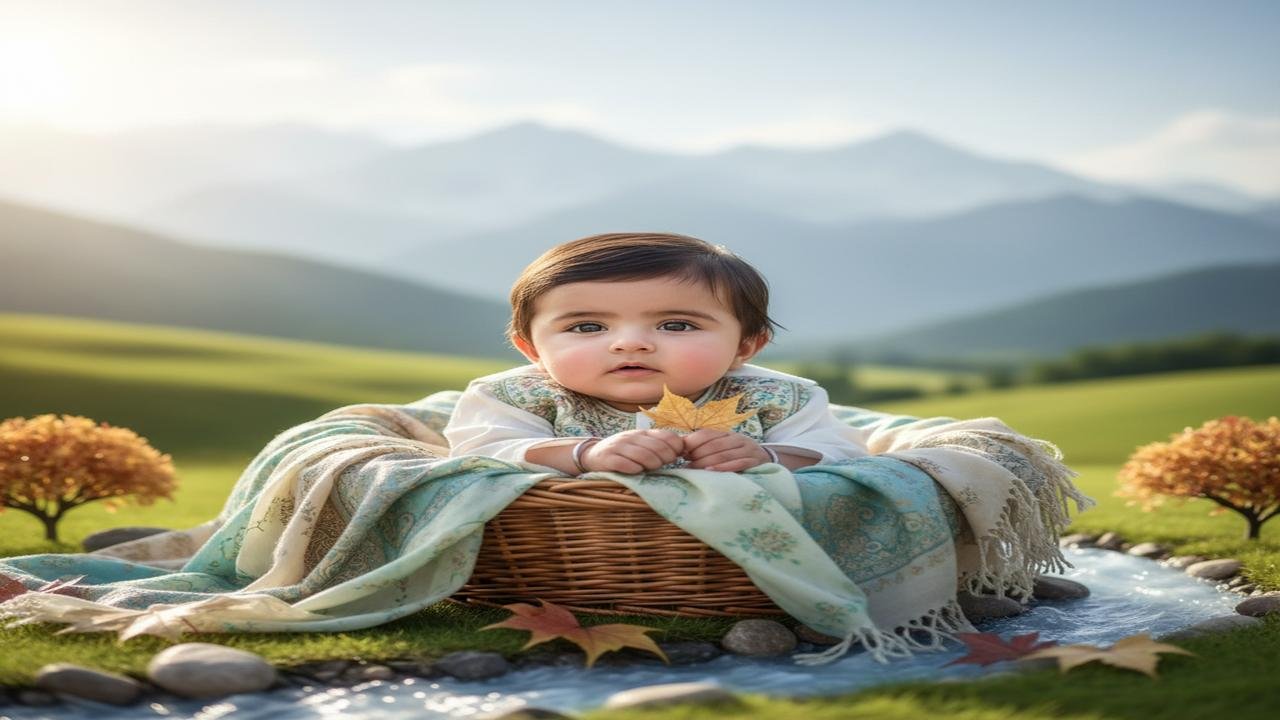
Intro: Valleys, chinar and the act of naming
The Kashmir Valley and its iconic chinar (plane tree) are more than geographic markers; they carry layers of memory, poetry and everyday devotion across communities. In Hindu practice the naming ritual, nāmakaraṇa — naming ceremony — anchors a child to family, lineage and sometimes a chosen quality or deity. Names inspired by places, gardens and trees in Kashmir can therefore carry cultural, ecological and spiritual resonance. Below are ten suggestions drawn from valleys, gardens and the chinar tradition, with meanings, brief origins and notes on their cultural fit.
How to use this list
- Each entry gives a short meaning, likely gender usage, pronunciation hint and a note on cultural or devotional associations. Pronunciations are approximate.
- In Hindu communities different families follow diverse practices (Śaiva, Vaiṣṇava, Śākta, Smārta); some prefer deity-linked names, others opt for nature- or place-based names. Be mindful of family traditions when choosing a name.
- If you plan a formal nāmakaraṇa, consult your elders or priest about customary suffixes, gotra considerations or tithis.
10 Kashmiri-inspired baby names from valleys and chinar
1. Chinar
- Meaning: Plane tree (Acer pseudoplatanus), the emblematic tree of Kashmir.
- Origin/pronunciation: Kashmiri/Urdu usage; “CHI-nar” (CHI as in chin).
- Gender: Unisex.
- Notes: Chinar symbolizes shelter, endurance and seasonal beauty. Trees hold sacred value in many Hindu texts and local customs; using Chinar as a name evokes rootedness in place rather than a sectarian sign.
2. Chinarika
- Meaning: Little or graceful chinar (diminutive/affectionate form).
- Origin/pronunciation: Constructed with a familiar feminine suffix; “chi-NA-ri-ka.”
- Gender: Feminine.
- Notes: A softer, Sanskritate-style ending makes the name fit naturally in many Indian linguistic contexts while keeping Kashmiri imagery.
3. Nishat
- Meaning: Joy, delight; also the name of a famous Mughal garden (Nishat Bagh) on Dal Lake.
- Origin/pronunciation: Persian-origin word widely used in Kashmir; “NI-shaat.”
- Gender: Commonly feminine but used broadly.
- Notes: Conjures gardened pleasure and calm. Gardens in Kashmir have been sites of poetic and devotional exchange between Hindu, Muslim and Sufi traditions; the name carries that layered history.
4. Shalimar
- Meaning: Often rendered as “abode of love” in popular etymology; associated with the Shalimar Bagh in Srinagar.
- Origin/pronunciation: Persian/Mughal-era name; “sha-li-MAAR.”
- Gender: Unisex, often feminine in modern use.
- Notes: Evokes Mughal garden aesthetics and the valley’s history of cultivated landscape. It can be worn in both secular and devotional contexts.
5. Gulzar
- Meaning: Flower garden; “gul” = flower.
- Origin/pronunciation: Persian/Urdu-Kashmiri usage; “GUL-zar.”
- Gender: Masculine or unisex.
- Notes: Inspired by Gulmarg (“meadow of flowers”) and by the valley’s floral landscapes. The root gul also appears in many Hindu names and is easy to integrate across communities.
6. Gul
- Meaning: Flower.
- Origin/pronunciation: Widespread Persian-rooted element in Kashmiri names; “GUL.”
- Gender: Unisex (short, modern feel).
- Notes: Simple and versatile; pairs well with Sanskrit or local Indian middle names if you want to bridge cultural registers.
7. Anant
- Meaning: Infinite, endless.
- Origin/pronunciation: From Anantnag (a historic town/valley in Kashmir) and classical Sanskrit; “a-NANT.”
- Gender: Masculine.
- Notes: In Hindu iconography Ananta/Anantaka is also associated with cosmic continuity (for example, the serpent Ananta linked to Viṣṇu in some traditions). The name is devotional without being narrowly sectarian.
8. Kesar
- Meaning: Saffron — the prized spice cultivated in Kashmir’s Pampore and surrounding areas.
- Origin/pronunciation: Sanskrit/Persian layers; “KE-sar.”
- Gender: Unisex; often masculine in colloquial use.
- Notes: Saffron has culinary, economic and ritual value across communities. As a name it suggests rarity, fragrance and the valley’s agricultural heritage.
9. Sindhu
- Meaning: River; historically the Indus. Sindhu is a classical Sanskrit term.
- Origin/pronunciation: Sanskrit; “SIN-dhu.”
- Gender: Unisex (used as both female and male names).
- Notes: Rivers are often revered in Hindu practice; the name carries both geographic depth and sacred resonance without being tied to a single sect.
10. Pahal
- Meaning: Beginning, initiative. Inspired by Pahalgam, a pastoral valley in Kashmir.
- Origin/pronunciation: Hindi/Kashmiri-adapted; “pa-HAL.”
- Gender: Masculine (can be adapted to feminine as Pahali).
- Notes: Good for families who want a subtle place-connection without using a direct toponym. It also aligns with the aspirational sense of starting or fresh beginnings.
Practical tips and cultural notes
- Pronunciation and script: Many Kashmiri or Persian-root names can be written in Devanagari, Perso-Arabic script or Roman script. Ask family elders about preferred spellings and phonetics.
- Devotional fit: If you want a name tied to a particular deity or ritual, discuss with your priest or a trusted family elder about compatibility with gotra, family lineage and customary tithi for the nāmakaraṇa.
- Local resonance: Names drawn from landscapes can celebrate shared ecology; they also invite conversations about conservation, pilgrimage and living traditions in the valley.
- Be humble about meanings: Place names carry layered histories — Mughal gardens, Kashmiri Pandit memory, Sufi poetry and local languages. When you use such names, acknowledge that multiplicity rather than treating a single meaning as definitive.
Choosing a name is both a personal and communal act. Names inspired by Kashmir’s valleys and chinar weave together nature, history and devotion; handled with care and conversation, they can honour place while fitting into broader Hindu naming practices.
