
Kartik Purnima Special: 10 Baby Names Inspired By Lord Kartikeya And Their Brave Meanings

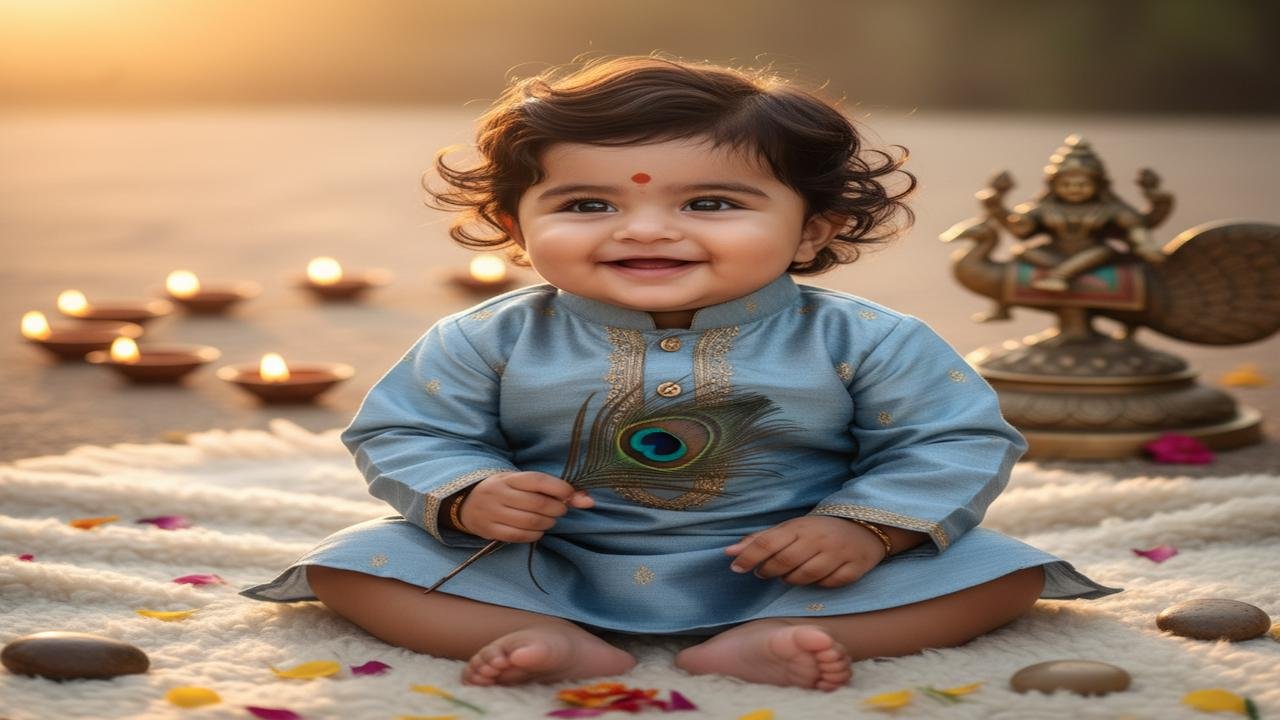
Kartik Purnima: a quick context
Kartik Purnima is the full-moon day (Purnima) in the lunar month of Kartika. Across regions it is marked by lamps, pilgrimage and rites: in some Śaiva and Smārta traditions it honours Lord Kartikeya (also called Skanda or Murugan), while Vaishnava and Śākta communities observe other local practices. In Puranic accounts—most notably the Skanda Purana and episodes in the Mahabharata—Kartikeya is the war‑leader of the gods (Devasenapati) and the son of Shiva and Parvati. The god’s origin story, his six mothers the Krittikas (the Pleiades), and the symbol of the Vel (a divine spear) give rise to many evocative names used for children across India.
Choosing a name on Kartik Purnima
Names drawn from Kartikeya’s epithets often stress courage, youthful energy, leadership and spiritual protection. Different regions favour different forms—North India tends to use Kartik, Kartikeya and Skanda, while Tamil Nadu uses Murugan, Arumugan and Velan. Below are ten names inspired by Kartikeya, each with meaning, scriptural or cultural context, and a short note on usage or pronunciation. Where helpful I indicate how traditions vary; the list is descriptive, not prescriptive.
10 baby names inspired by Lord Kartikeya (with meanings and context)
- Kartikeya (Kārttikeya) — “born of the Krittikas.” Literally “of the Krittika(s),” this is the classical Sanskrit name used widely in Puranic literature (Skanda Purana, Mahabharata). Connotes leadership of the gods and warrior prowess. Pronunciation tip: KAR-tik-eya. Common formal name for boys.
- Kartik / Karthik — Short form of Kartikeya or a name meaning “one born in the Kartika month” or “related to Kartikeya.” Very popular across India; versatile and contemporary in usage. Pronunciation varies regionally (KAR-tik / KAR-thik).
- Skanda — “attacker,” from the root skand (to leap or attack). Ancient texts—the Mahabharata and Skanda Purana—use Skanda as an early and primary name. Emphasises martial energy and dynamic action. Pronounce SKAN-da. Often used in classical or literary contexts.
- Shanmukha / Shanmukha — “six‑faced” (shaṇ‑mukha). This epithet refers to the six faces of the deity in many Puranic and iconographic traditions and is especially prominent in South Indian devotional poetry. In Tamil it corresponds to Arumugan (see below). Connotes breadth of vision and multiple powers.
- Murugan — Tamil name, often rendered Muruga or Murukan; in Tamil Saivism he is an especially central deity. Murugan literally conveys youthful beauty and vigour and is the primary name used in the Tamil bhakti corpus. Pronounce MU‑ru‑gan. Associated strongly with festivals such as Vaikasi Visakam; in many families Murugan is chosen to link to regional devotional lineage.
- Subrahmanya / Subramanya — “dear to the Brahman” or “one who is auspicious and venerable.” A classical Sanskrit epithet appearing in liturgy and temple names (for example, many Subrahmanya temples in Karnataka and Kerala). In everyday Tamil speech it becomes Subramanian as a personal name or surname.
- Kumara / Kumaran — “youth, prince.” Kartikeya is often called Kumara in Puranic narratives and in the hymn Kumara Sambhava (a classical Sanskrit kavya about his birth). The name highlights youthfulness, celibacy in certain myths, and divine sonship. Pronounce KU‑ma‑ra. Used widely in both North and South India.
- Saravana / Saravanabhava — “born in the Saravana lake/forest of reeds.” This epithet refers to the story in which the divine child is discovered in a reed‑filled lake (Saravana). Saravana is commonly used in South India as a devotional personal name or part of compound names; Saravanabhava appears in temple liturgy and poetry.
- Velan / Vel — “spear‑bearer” or “of the Vel.” The Vel—the divine lance—is Kartikeya/Murugan’s primary weapon and symbol. Velan (one who bears or is associated with the Vel) is a short, evocative name common in Tamil Nadu that directly evokes bravery and protection. Simple, modern-sounding and devotional at once.
- Devasenapati / Senapati — “commander of the gods” (deva‑sena‑pati). A more formal epithet used in hymns and Puranic descriptions; Senapati (general) is a shorter, usable form. Connotes strategic leadership and martial responsibility rather than mere aggression.
Brief cultural notes and naming considerations
- Regional forms: A name’s shape and connotations differ by language—Murugan, Vel, Arumugan are widespread in Tamil Nadu; Subrahmanya and Saravana appear in Kannada and Malayalam contexts; Kartikeya, Skanda and Kartik are common in North India.
- Scriptural references: The Skanda Purana is the principal textual source devoted to Kartikeya/Skanda; the Mahabharata and many regional Puranas preserve variant birth stories and epithets. Different texts emphasise different attributes—warrior, guru, remover of obstacles.
- Gender and modern usage: Historically masculine names, many are used primarily for boys. Some modern families adapt elements (Vel, Saravana) into unisex or compound names; always consider family and community preferences.
- Practicalities: Check local pronunciation, spelling, and how a name reads in regional scripts. Consult family elders and, if you follow astrological or ritual practices, a trusted advisor in your tradition.
Final note
Choosing a name on Kartik Purnima can be a meaningful way to connect a child to a living devotional tradition. The names above are rooted in scripture, temple practice and regional bhakti; they carry layers of martial valour, youthful vigour and protective power. If your Kartik Purnima celebration involves fasting or extended rituals, remember to take usual health precautions and seek medical advice if needed.
