
Top 15 Hindu Baby Names Inspired by the Trimurti (Brahma, Vishnu, Shiva)

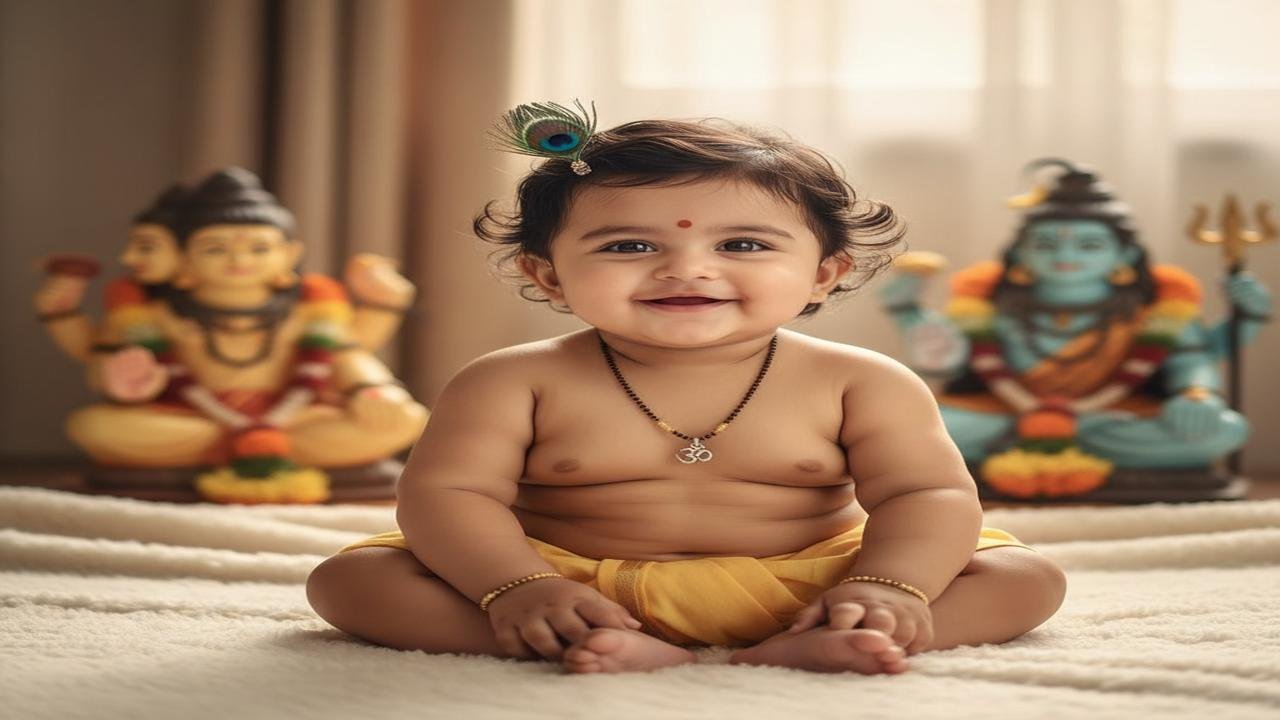
Introduction — the Trimurti and naming
The Hindu idea of the Trimurti — literally “three forms” — groups Brahma (the Creator), Vishnu (the Preserver) and Shiva (the Transformer or Destroyer) as complementary aspects of cosmic activity. Different schools and local traditions emphasize one figure over the others: in Śaiva thought Shiva is central; Vaiṣṇava traditions revere Vishnu and his avatars; Smārta practice often honours the three together. Naming a child after an aspect of the Trimurti can be a way to express spiritual hope, family memory or cultural continuity. Below are 15 names inspired by these three deities, with meanings, gender notes, and short cultural context. I offer translations and simple pronunciation cues; as with any tradition, local usage and family preference should guide the final choice.
Brahma-inspired names (creation, knowledge)
In many texts Brahma is associated with creation, the Vedas and the act of bringing form into being. Brahma is less commonly worshipped in popular temples than Vishnu or Shiva, but his symbolic role is important in cosmology.
- Brahma (BRAH-ma) — male. Meaning: “the Creator.” A direct name; uncommon as a modern given name but used in mythic reference and ritual contexts.
- Brahmi (BRAH-mee) — female. Meaning: “of Brahma” or “she who belongs to Brahma.” In some Puranic lists Brahmi is a shakti or goddess associated with creative power; the word is also used in classical literature.
- Prajapati (pra-JAA-pa-ti) — male. Meaning: “lord of creatures” or “progenitor.” A Vedic epithet often linked to early creator figures; used in some families as a traditional name.
- Srishti (SHRISHT-ee) — female. Meaning: “creation” or “the act of creating.” Evokes the creative energy rather than a deity name; popular for its simple, modern feel.
- Vedant (VEH-dunt) — unisex (more often male). Meaning: “end of the Vedas” or “conclusion of Vedic knowledge.” While Vedanta is a philosophical tradition, the name signals learnedness and links to scriptural wisdom often associated with Brahma’s realm.
Vishnu-inspired names (preservation, compassion)
Vishnu is associated with sustaining dharma — dharma meaning ethical duty — and descends in avatars (incarnations) to restore balance. Vaiṣṇava commentaries highlight his merciful, guarding aspect; many names below are also epithets used across devotional poetry and temple culture.
- Vishnu (VISH-noo) — male. Meaning: “that which pervades” or “all-pervading.” A principal name; straightforward and devotional.
- Nārāyaṇ (NAH-raa-yun) — male. Meaning: “refuge of humans” or “he whose abode is men.” A classical and widely used name in many Indian languages.
- Hari (HAH-ree) — male. Meaning: “one who takes away (sins or suffering).” Used commonly in devotional songs and mantras; also used as a short, gentle given name.
- Madhav (MAH-dhav) — male. Meaning: “husband of Ma (Lakshmi)” or associated with spring and sweetness. An epithet of Vishnu and Krishna, often chosen in families with Vaishnava ties.
- Govind / Govinda (go-VIND / go-VIN-da) — male. Meaning: “protector of cows” or “finder of the cows,” an affectionate and widely beloved epithet of Krishna, an avatar of Vishnu; deeply embedded in devotional music and poetry.
Shiva-inspired names (transformation, austerity)
Shiva’s role is paradoxical: destroyer and transformer, ascetic and householder, furious and benign. Śaiva texts emphasise his meditative, liberating aspect; many names below reflect those wide-ranging attributes.
- Shiva (SHEE-va) — male. Meaning: “auspicious one.” A principal name, used widely and respectfully across India.
- Shankar / Shankara (SHUN-ker / SHUN-ka-ra) — male. Meaning: “bestower of happiness” or “beneficent one.” A classical name linked to many devotional compositions.
- Mahesh (MAH-esh) — male. Meaning: “great Lord” (a title of Shiva). Common in modern naming with clear religious resonance.
- Rudra (ROOD-ra) — male. Meaning: “the roarer” or “howler”; an older Vedic name connected to the fierce aspect of Shiva. Used in classical and contemporary contexts.
- Ishaan / Ishan (ISH-aan) — male (increasingly unisex). Meaning: “lord” or “north-east direction”; an epithet of Shiva and also a common modern name because of its brevity and positive associations.
Quick practical notes on choosing a Trimurti-inspired name
- Meanings matter: discuss the semantic feel (creation, preservation, transformation) rather than only the deity name.
- Local usage varies: some names are more common in particular languages or regions; check pronunciation and script forms with family elders.
- Religious balance: families with mixed traditions may prefer epithets or neutral creation/preservation/transformation words (for example, Srishti, Vedant, or Ishaan) rather than direct deity names.
- Auspicious practices: if you follow nakshatra/astrological naming, consult a trusted family practitioner; if you are secular, choose what resonates culturally and personally.
Closing note
Names drawn from the Trimurti link a child to rich symbolic worlds — Vedic hymns, Puranic stories, temple songs and living household practices. Interpretations differ across schools: in Śaiva texts Shiva’s transformative power is emphasized; Vaiṣṇava texts focus on Vishnu’s preserving compassion; Smārta traditions may treat the three as complementary manifestations. Respect local pronunciations and family traditions, and consider asking elders or a knowledgeable pandit if you want ritual guidance. Whichever name you choose, its living meaning will grow as the child and family bring it into everyday life.
