
Top 10 Modern Baby Names Inspired by Lord Kartikeya’s Valour

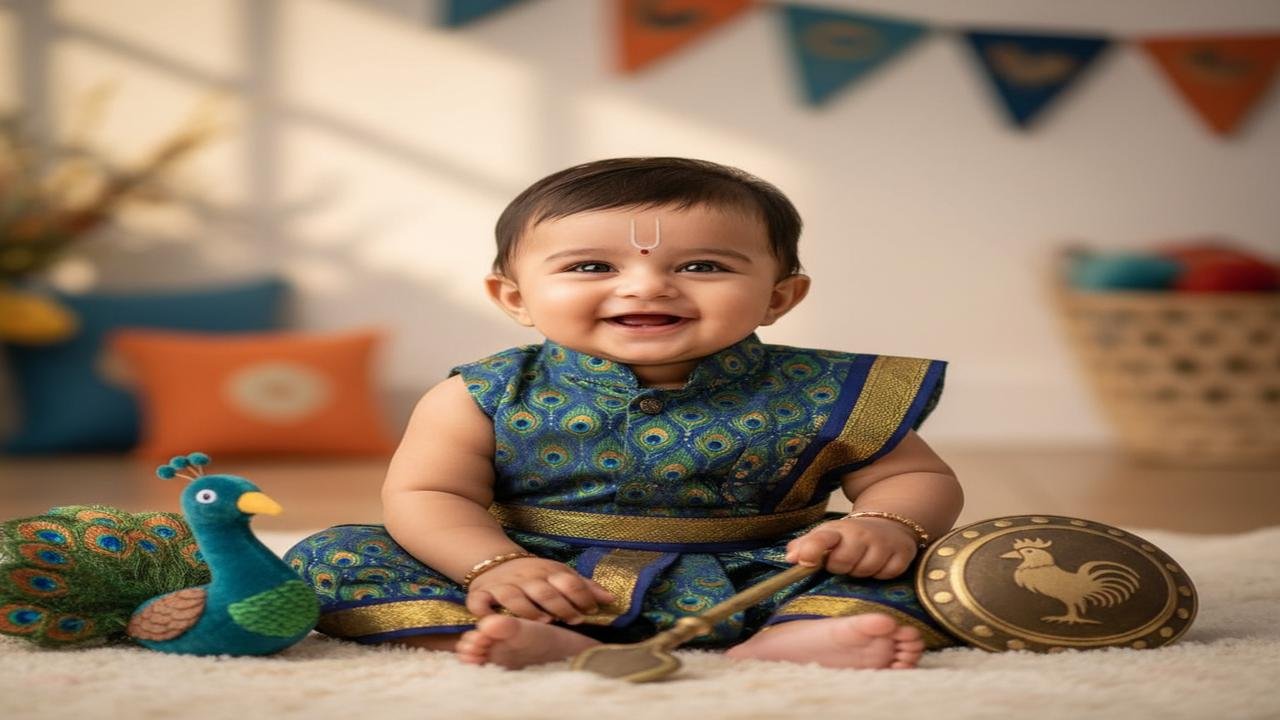
Why choose a name inspired by Lord Kartikeya?
Kartikeya (also called Skanda, Murugan, Subrahmanya) is widely revered across Hindu traditions as a youthful commander of the divine forces. His stories—found in the Skanda Purana and many regional texts—emphasise courage, leadership, duty (*dharma* — ethical duty) and swift action. Parents today look for names that carry these associations while fitting a modern sensibility: short forms, easy pronunciation across India, and culturally rooted meanings.
How this list was made
This selection balances classical epithets from Sanskrit and regional names (especially Tamil), modern short forms used across India, and a mix of masculine, feminine and unisex options. Each entry gives meaning, origin, contemporary forms, and why it evokes Kartikeya’s valour. Interpretations vary by tradition—Śaiva texts emphasise his military role; Tamil devotional literature highlights grace and youthful energy—so note how local usage shapes a name’s tone.
Top 10 modern baby names inspired by Kartikeya’s valour
-
Kartik / Kartikeya
Meaning: Kartikeya — “son of the Krittikas” (born of the stars/ Pleiades).
Origin & use: Sanskrit origin; Kartik is the popular modern short form across Hindi, Marathi, Bengali and Punjabi-speaking regions. Kartikeya is the fuller classical name used in liturgical contexts.
Why it evokes valour: The full name connects directly to the deity who leads divine forces; Kartik works as a contemporary, strong-sounding name with clear mythic roots. Nicknames: Kartik, Karthik, K.
-
Skanda
Meaning: “Attacker” or “the one who leaps forth.”
Origin & use: Classical Sanskrit epithet; used in many Purāṇic passages about his martial exploits (Skanda Purana).
Why it evokes valour: The martial sense is explicit in the name; Skanda is direct, authoritative and uncommon as a modern given name, giving it a distinctive edge.
-
Shanmukha / Shan
Meaning: “Six-faced” (shaṇmukha), an iconographic epithet referring to his six aspects.
Origin & use: Common in South India as Shanmuga, Shanmukh; Shan or Shanu are compact contemporary variants.
Why it evokes valour: The six faces symbolise vigilance and multifaceted strength. In modern use, short forms like Shan ask easy pronunciation while retaining classical roots.
-
Murugan
Meaning: Often glossed as “the youthful, handsome one”; associated with vigor and charm.
Origin & use: Tamil name and central figure in Tamil devotional literature and temple culture; very common in Tamil Nadu and among the Tamil diaspora.
Why it evokes valour: Murugan’s Tamil narratives combine bravery in battle with moral leadership; the name carries both devotion and youthful courage. Nicknames: Murug, Muru.
-
Subrahmanya / Subramaniam
Meaning: “Auspicious lord” or “dear to the sacred Brahman.”
Origin & use: Classical Sanskrit epithet; Subramanya/Subramaniam and derivatives are widespread, especially in South India.
Why it evokes valour: The name appears in many ritual contexts as a leader of the gods; it conveys both blessing and command. Modern forms include Subbu, Manu as affectionate nicknames.
-
Saravanan / Saravana
Meaning: “One born in the Saravana reed-bed” (the mythic lake); Saravanan is especially Tamil.
Origin & use: Very popular in Tamil naming patterns; Saravanan or Sarav is usable across India as a modern variant.
Why it evokes valour: It recalls the poetic birth story and implies origin and identity tied to his divine mission—suitable for parents who want a lyrical yet strong name.
-
Kumara / Kumaran
Meaning: “Youth, prince” (classical Sanskrit).
Origin & use: Kumara is an ancient epithet; Kumaran is common in South India; Kumar is a pan-Indian short form (note Kumar is also a common surname).
Why it evokes valour: The youthful warrior image is central to Kumara; the name reads as energetic and approachable in modern contexts.
-
Karthik / Karthikeyan
Meaning: Variant of Kartikeya; Karthik also names the lunar month Kartika (associated with temple festivals).
Origin & use: Karthik is widely used across India; Karthikeyan is a Tamil patronymic-style form.
Why it evokes valour: It carries the same divine association while sounding concise and modern; suitable for families who want a culturally rooted but contemporary name.
-
Devasena
Meaning: “Army of the gods” or literally the goddess who is commander of the gods’ host; she is Kartikeya’s consort in several traditions.
Origin & use: Classical Sanskrit; used as a feminine name across India.
Why it evokes valour: As a warrior goddess and commander, Devasena connotes feminine strength and leadership—an option for parents seeking a female name with martial dignity.
-
Veeran / Veer
Meaning: “Brave, heroic.”
Origin & use: Derived from Sanskrit vīra; Veeran is common in Dravidian languages, Veer in Hindi-speaking areas.
Why it evokes Kartikeya’s valour: Though not exclusive to Kartikeya, this classically rooted name directly signifies courage and is often chosen by parents who want a succinct, modern name that evokes heroism.
Practical tips for parents
- Check regional sound and script: A name like Murugan is regionally resonant; Kartik or Veer will travel more easily across languages.
- Nicknames and initials: Consider how common short forms (Karthik → Karthi, Kartik → Kart) interact with initials and surnames in modern India.
- Cultural fit: If you follow a particular tradition (Śaiva, Tamil Saivite, Smārta), some names carry stronger devotional connotations in specific communities.
- Festival and timing: Some parents choose names tied to birth during Kartika month or on Skanda Shashthi (the sixth lunar tithi associated with his victory) for symbolic alignment.
Note on sources and diversity: The names and meanings above draw on classical Sanskrit usage, Purāṇic narratives (most notably the Skanda Purāṇa), and living Tamil devotional tradition. Interpretations and emphases vary by region and sect; the meanings here aim to be descriptive rather than doctrinal.
Final note: Choosing a name is both personal and cultural. These options link modern tastes with the ancient qualities of bravery, leadership and youthful vigour associated with Lord Kartikeya—allowing families to honour tradition while keeping names contemporary and usable across India.
