
Arjuna’s Trembling Hands On Kurukshetra, Chapter 1

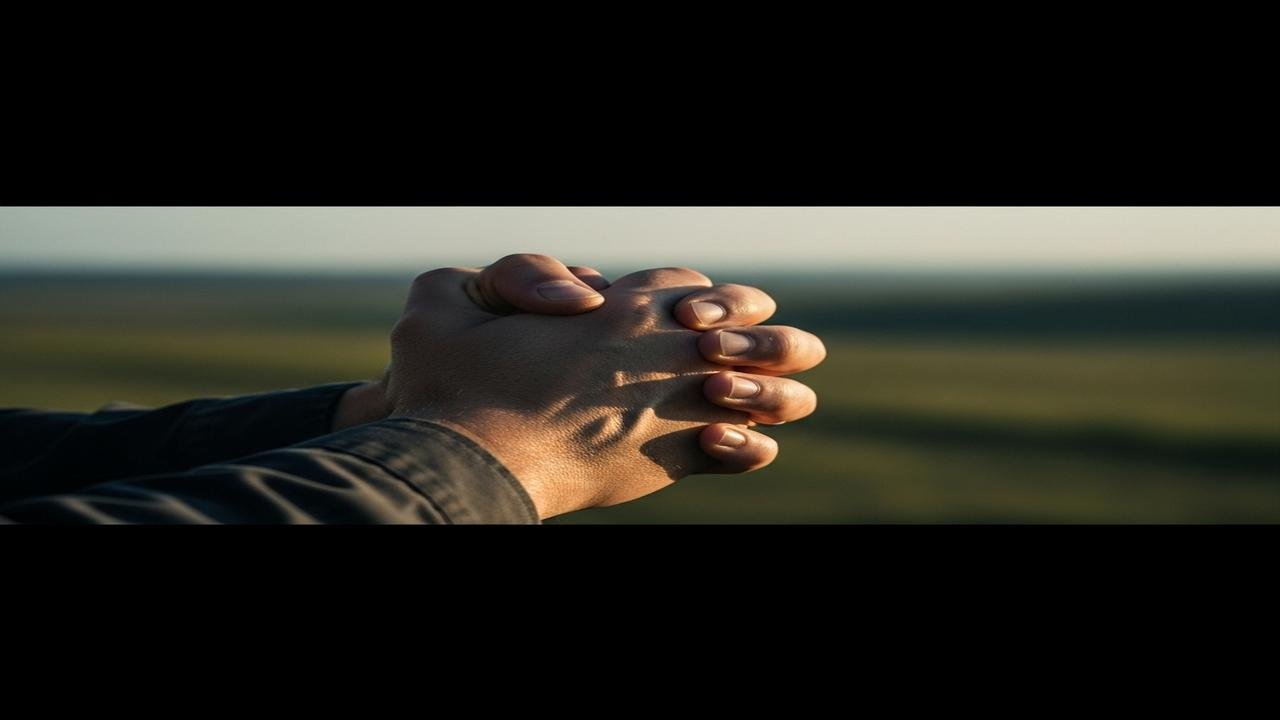
The moment on the Kurukṣetra field
The image is stark and deliberate: on the brink of war, Arjuna — the great archer, the Pandava prince — finds his hands trembling and lets his bow fall. This is the opening crisis of the Bhagavadgītā episode in the Mahābhārata. The poet-narrator pauses the battle to record Arjuna’s physical and moral collapse: limbs failing, voice faltering, the bow slipping from his grasp. The detail is not incidental; it stages a profound human breakdown that triggers one of the most discussed spiritual dialogues in Indian thought.
What the text says (brief reference)
The scene appears in the first chapter of the Bhagavadgītā sequence within the Bhagavadgītā (often cited as Chapter 1, vv. 28–30). The description combines bodily symptoms (weak limbs, heart palpitations, dry mouth) with psychological terms such as sorrow and compassion. Those lines set the scene for Krishna’s response, which begins in Chapter 2 and moves quickly into teachings about duty, action, and the self.
Key terms introduced
- dharma — ethical duty, social and moral obligation.
- nishkāma karma — action without attachment to results (introduced in the Gītā’s reply).
- saṃsāra — the cycle of birth and death; the existential horizon against which action is judged.
Multiple ways of reading the trembling hands
This physical collapse invites several non-exclusive readings. Different traditions, commentators and modern readers have emphasised different aspects:
- Moral sensitivity: Many read Arjuna’s breakdown as an ethical response — a recognition that he is being asked to kill relatives, teachers and friends. His sorrow is compassion, not cowardice.
- Failure of role-based duty: Others stress the drama as a failure to perform dharma — a Kshatriya’s duty to fight a righteous war — thereby making the scene the problem Krishna must correct.
- Existential crisis: Modern readers often see an existential panic: the world of meaning collapses for Arjuna and physical trembling signals an inner disorientation that requires a new framework.
- Scriptural device: Scholars of the epic note the scene’s literary function: it opens a pedagogical conversation. The crisis creates the need for instruction, making Arjuna both pupil and everyman.
Classical commentarial perspectives
- Advaita readings (Shankaracharya): The collapse exposes Arjuna’s attachment and ignorance; the teacher’s task is to guide him to discriminative knowledge (jñāna) of the self beyond the body.
- Vaiṣṇava readings (Ramanuja, Madhva traditions): Commentators in Vaiṣṇava lines situate the episode in a devotional framework. Arjuna’s human weakness paves the way for surrender and right action guided by Krishna.
- Bhakti and later interpreters: Many devotional expositions interpret the shaking as the soul’s cry for grace; the scene becomes a model for the disciple’s honest questioning.
Why the physical detail matters
The Gītā’s attention to bodily reaction — trembling hands, loosened bow — keeps philosophical teaching anchored in lived experience. It allows interpreters to argue that spiritual teaching is not an abstraction imposed on a calm mind but a response to disturbance. In ethical terms, it makes clear that high ideas about duty or self-knowledge must reckon with fear, grief and human ties.
Practical and ritual echoes
- Recitations of the Gītā in homes and temples often pause at this passage to reflect on moral difficulty rather than to celebrate heroism.
- The scene is frequently portrayed in dance, theatre and temple painting as a moment of vulnerability — kathakali, Bharatnatyam and regional folk-theatre have long visual vocabularies for Arjuna’s collapse.
- In contemporary spiritual teaching, the episode is used as a pedagogical example: crises are starting points for instruction in ethics and psychology.
Contemporary reflections
For many modern readers in India, Arjuna’s trembling hands continue to be relatable. They evoke the way moral dilemmas can incapacitate—even when a person has skill and social sanction to act. The Gītā’s reply does not merely tell Arjuna to suppress feeling; it reframes the situation: clarifying identity (who one truly is), reconfiguring duty (what action means), and redirecting attachment.
That said, there is no single authoritative meaning. Schools and commentators prioritise different outcomes — knowledge, devotion, rightly performed duty — and each reading draws on the opening scene to make a larger point about how humans should live under pressure.
How to read this scene today
- Read it as an ethical puzzle: what would duty mean when family and principle collide?
- Read it as a study in pedagogy: crisis as the occasion for teaching and transformation.
- Read it as a psychological portrait: the body records what the mind cannot yet integrate.
In public and private retellings, Arjuna’s failure is kept neither as a condemnation nor a romanticized agony. It is a human hinge: without that trembling and the fallen bow, there would be no Gītā as a sustained conversation about action, attachment and the self.
Note: If engaging with traditional practices (fasting, prolonged chanting or breathwork) that sometimes accompany study of these texts, consult a healthcare professional as these practices can affect health.
