
29
Sep
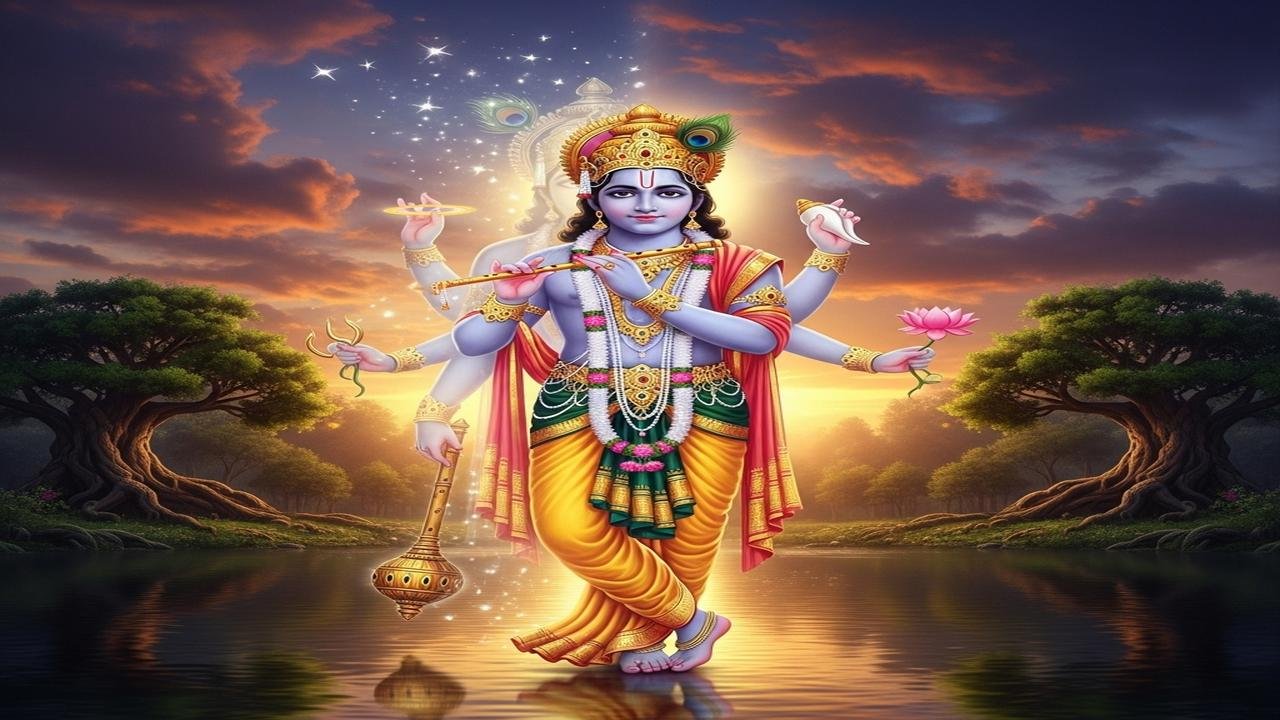
Krishna Returns to His Four-Armed and Human Form
-
By
G S Sachin
What devotees mean by “Krishna returns to his four‑armed and human form”
The phrase captures a long-standing motif in Hindu thought and...
29
Sep
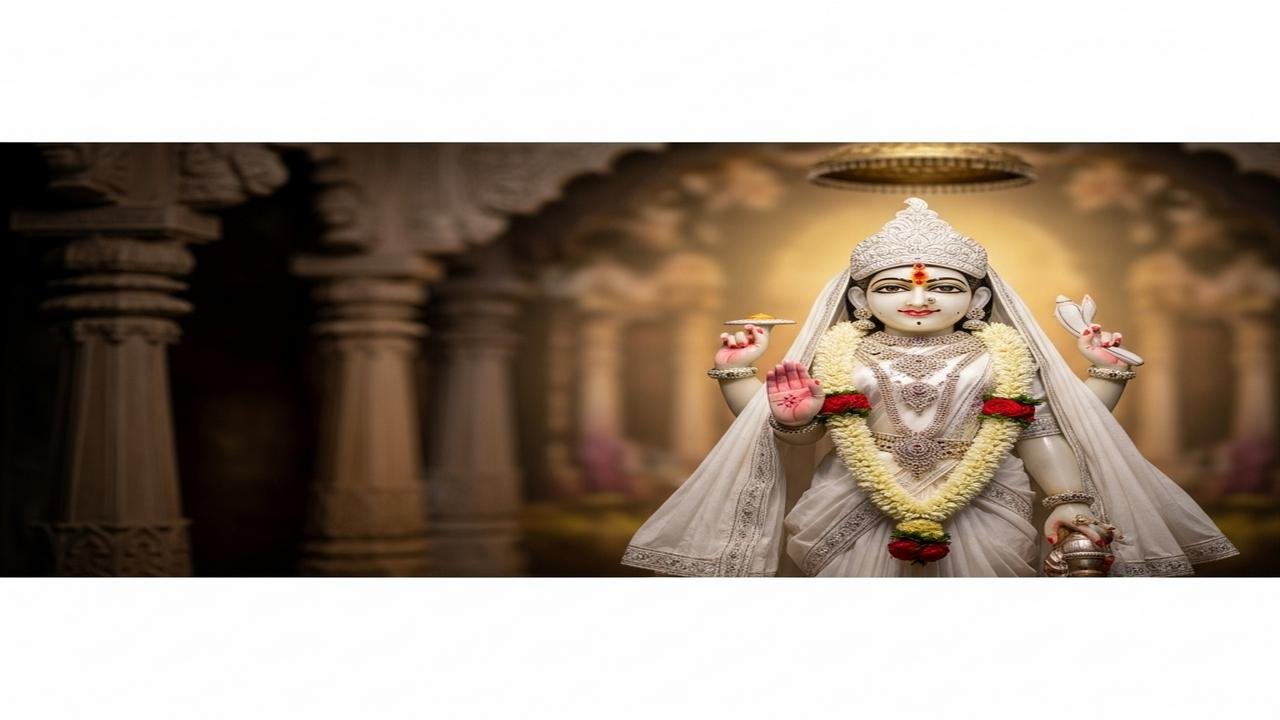
माँ महागौरी का श्वेत स्वरूप क्यों है इतना पवित्र?
-
By
माँ महागौरी का श्वेत स्वरूप हिंदू धार्मिक कल्पनाओं में एक बेहद सूक्ष्म और बहुआयामी प्रतीक है। पारंपरिक नवरात्रि पर महागौरी को आठवीं रूप...
29
Sep
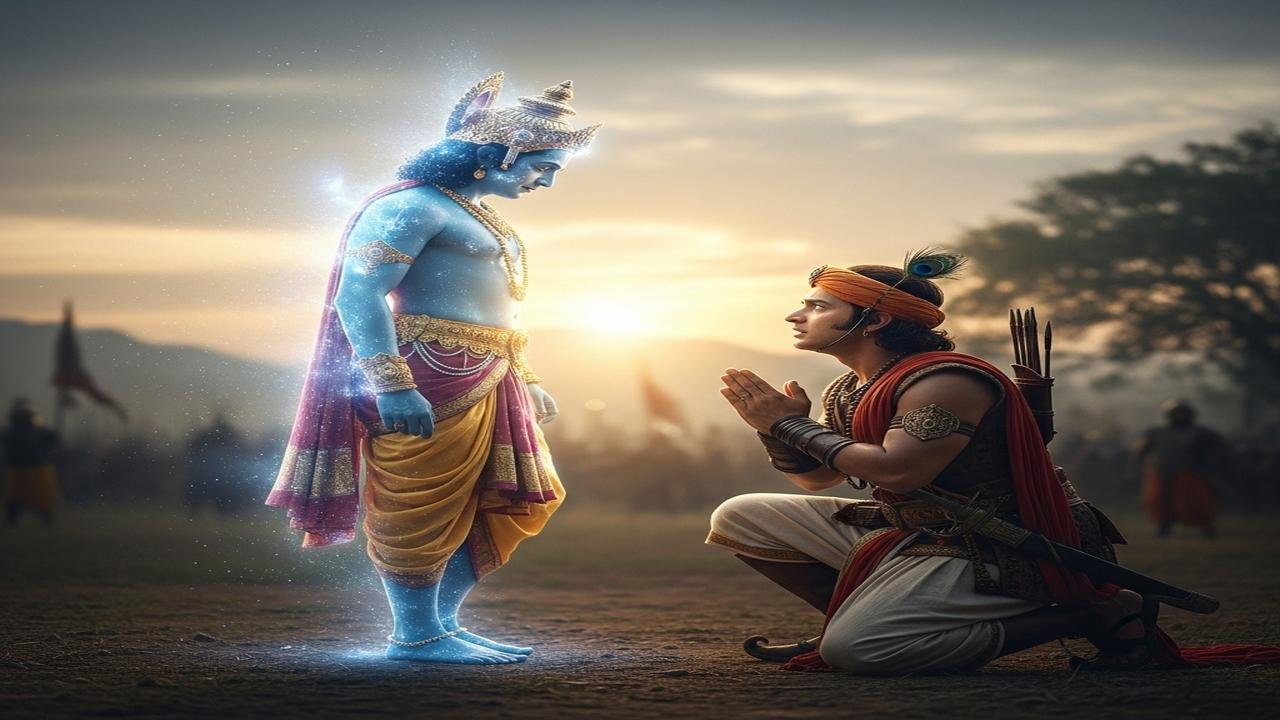
Arjuna Asks Krishna to Return to His Gentle Form
-
By
Setting: the cosmic revelation in Chapter 11
In the Bhagavad Gītā, the dramatic encounter often called the viśvarūpa darśana — the visi...
29
Sep
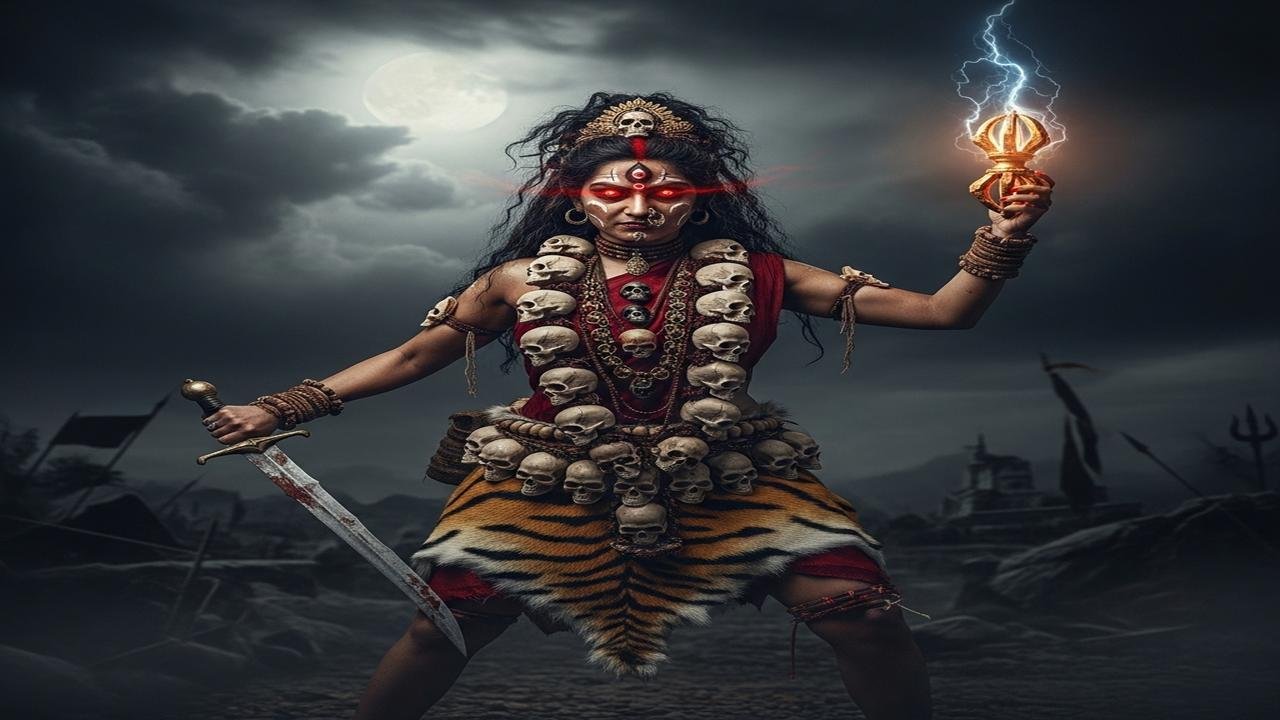
माँ कालरात्रि की कथा जो आपको नहीं पता
-
By
माता कालरात्रि का रूप हिंदू धर्म के उस पहलू को दिखाता है जहाँ भय और ममता एक साथ चलते हैं। पारंपरिक नवरात्रि अनुष्ठानों में उनका स्थान ख...
29
Sep
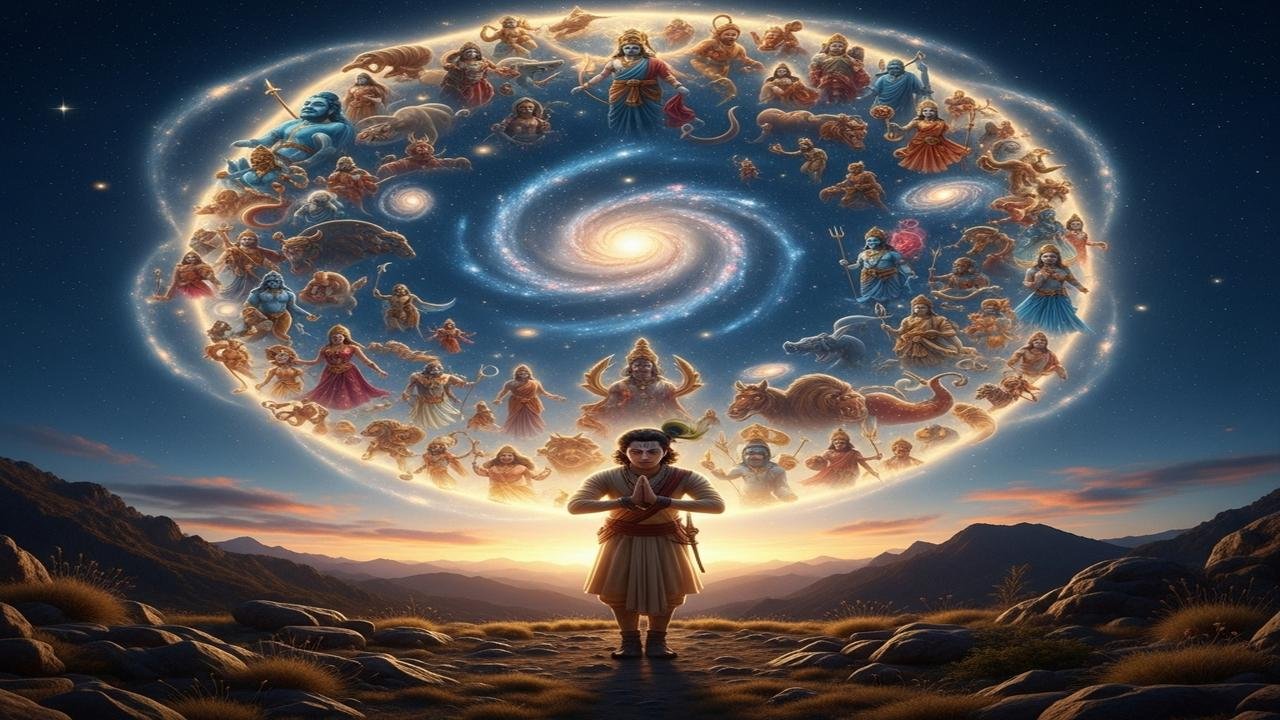
Arjuna Bows and Praises the Universal Form
-
By
Context: the Vision in the Bhagavad Gītā
The scene is set on the battlefield of Kurukṣetra in the Bhagavad Gītā, where Arjuna — the Pan...
28
Sep
Krishna Declares He Is Time, the Destroyer of Worlds
-
By
Scene: Kurukṣetra and the Universal Vision
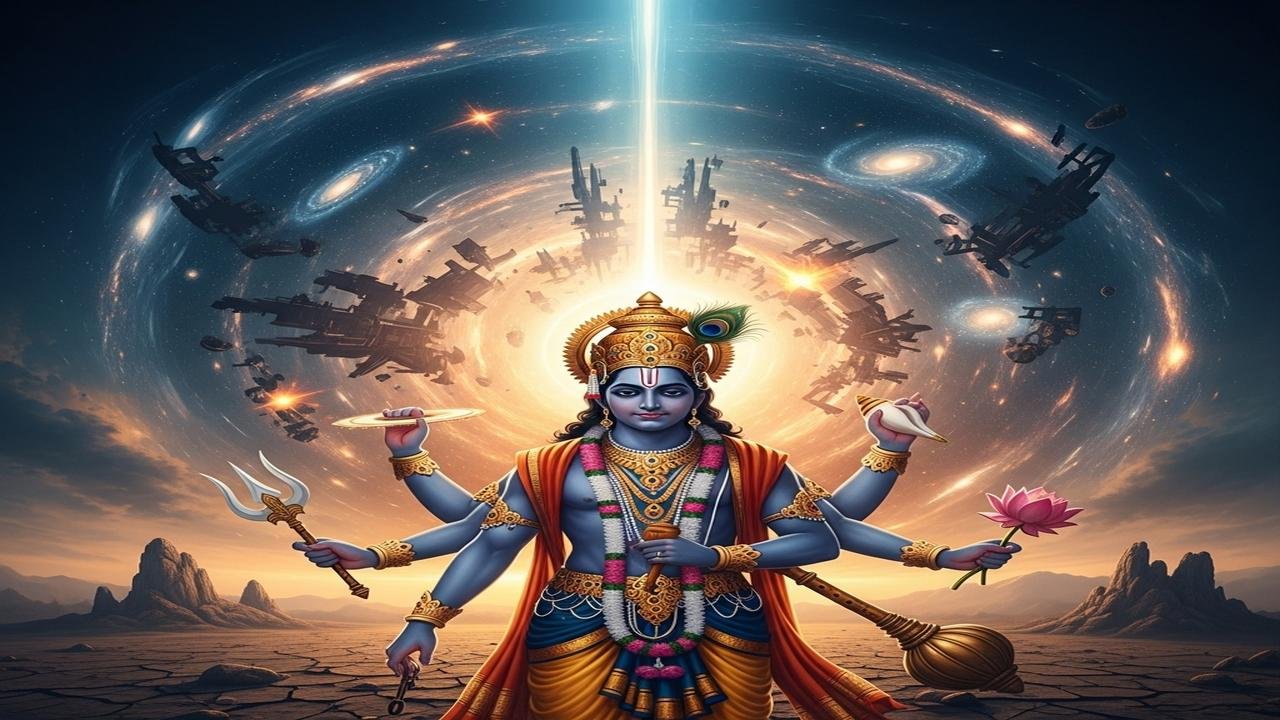
In the middle of the Bhagavad Gītā (chapter 11), Krishna grants Arjuna a theophany — the vis...
28
Sep
क्या आप जानते हैं कालरात्रि की पूजा से कौनसे दोष मिटते हैं?
-
By
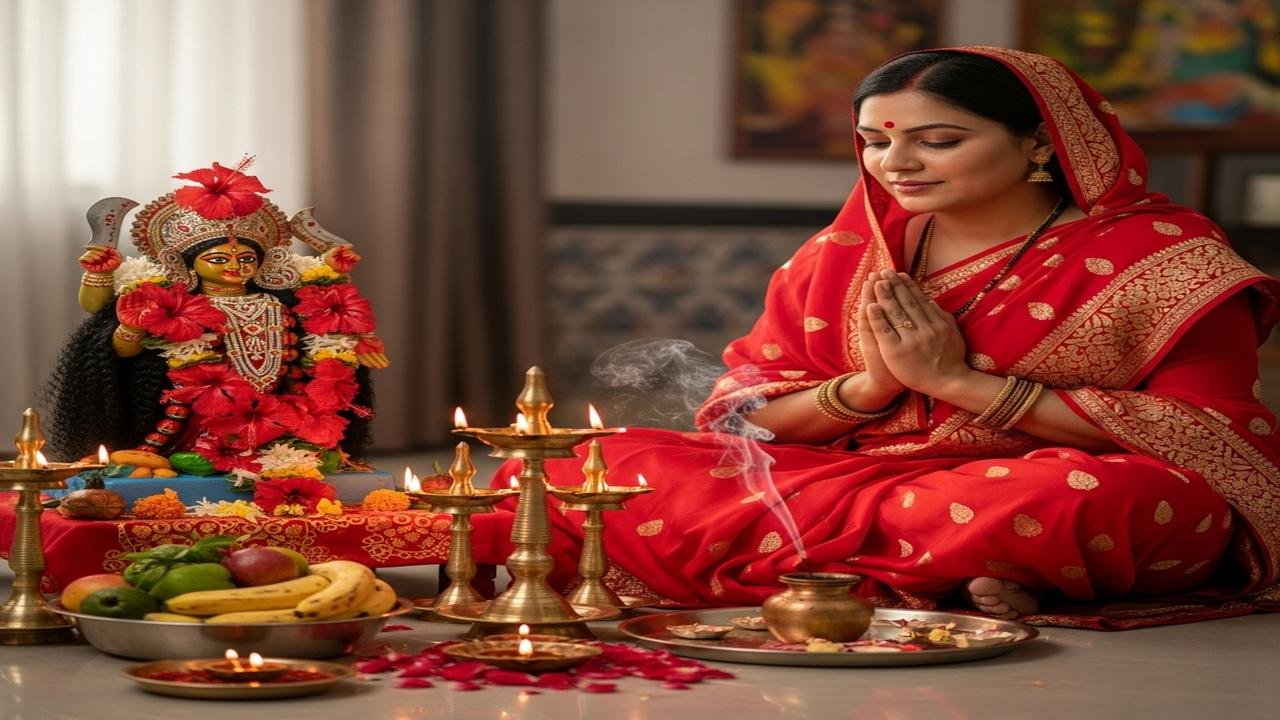
कालरात्रि—देवी की वह भीषण लेकिन करुणामयी रूप जो अंधकार, भय और अचानक विनाश का विनाश करती है—हिन्दू धर्म में भय मोचन और कष्टहरण के लिए वि...
28
Sep
Arjuna Trembles in Fear Before the Universal Form
-
By
Context: the request for a cosmic vision
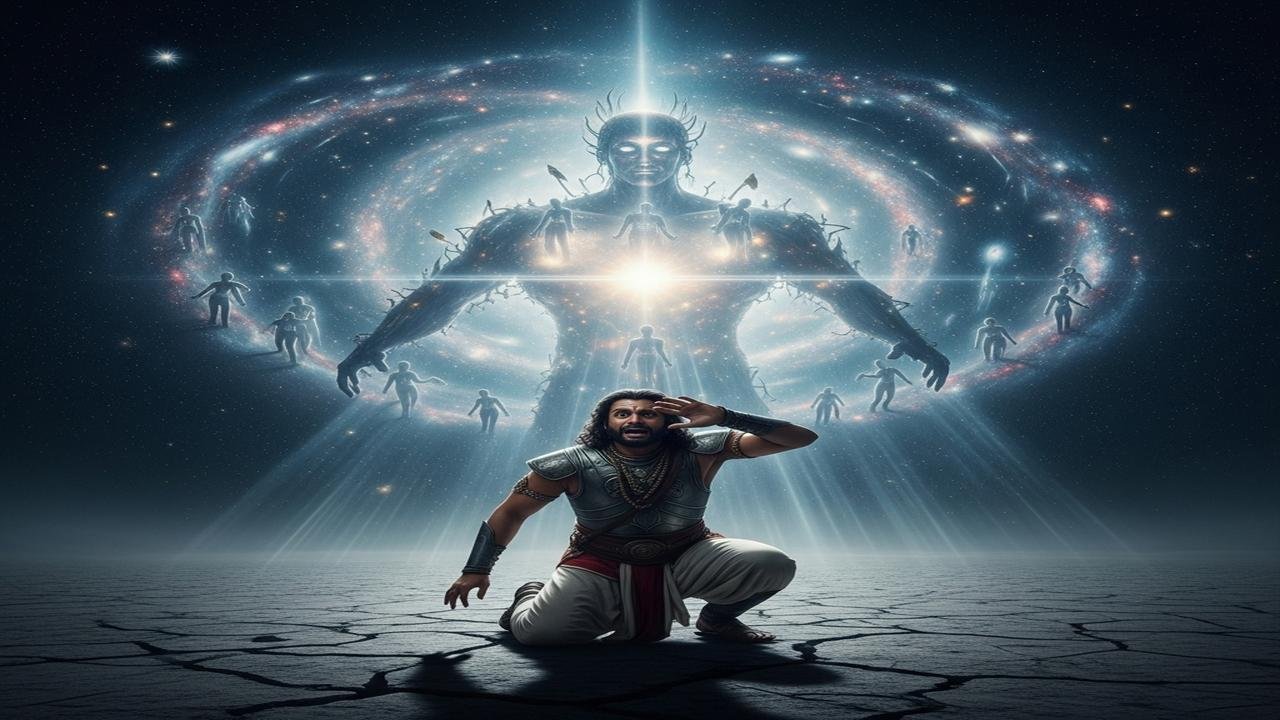
The episode in which Arjuna trembles before the Universal Form appears in the Bhagavad Gita a...
28
Sep
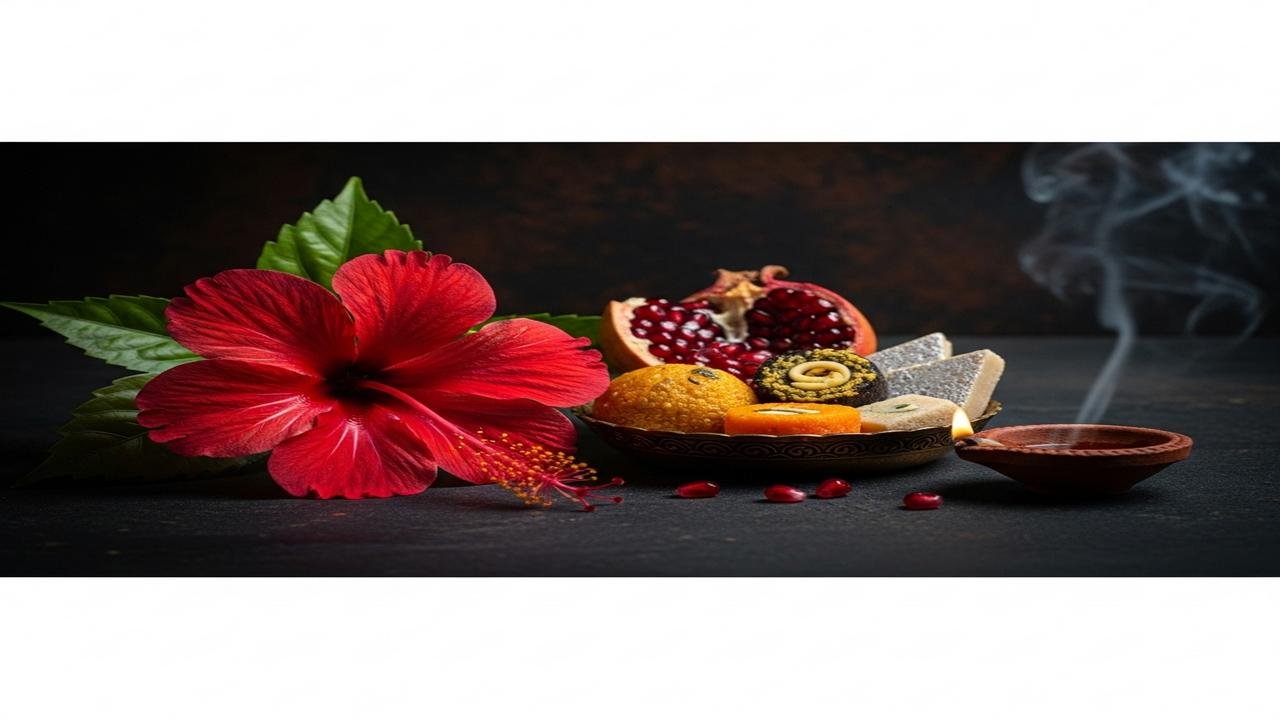
माँ कालरात्रि के प्रिय भोग और उनका रहस्य
-
By
माँ कालरात्रि हिन्दू देवी स्वरूपों में एक दृष्टिगोचर रूप हैं, जिनका संबंध अंधकार, विनाश और नवजागरण से माना जाता है। शाक्त परंपराओं में ...
28
Sep
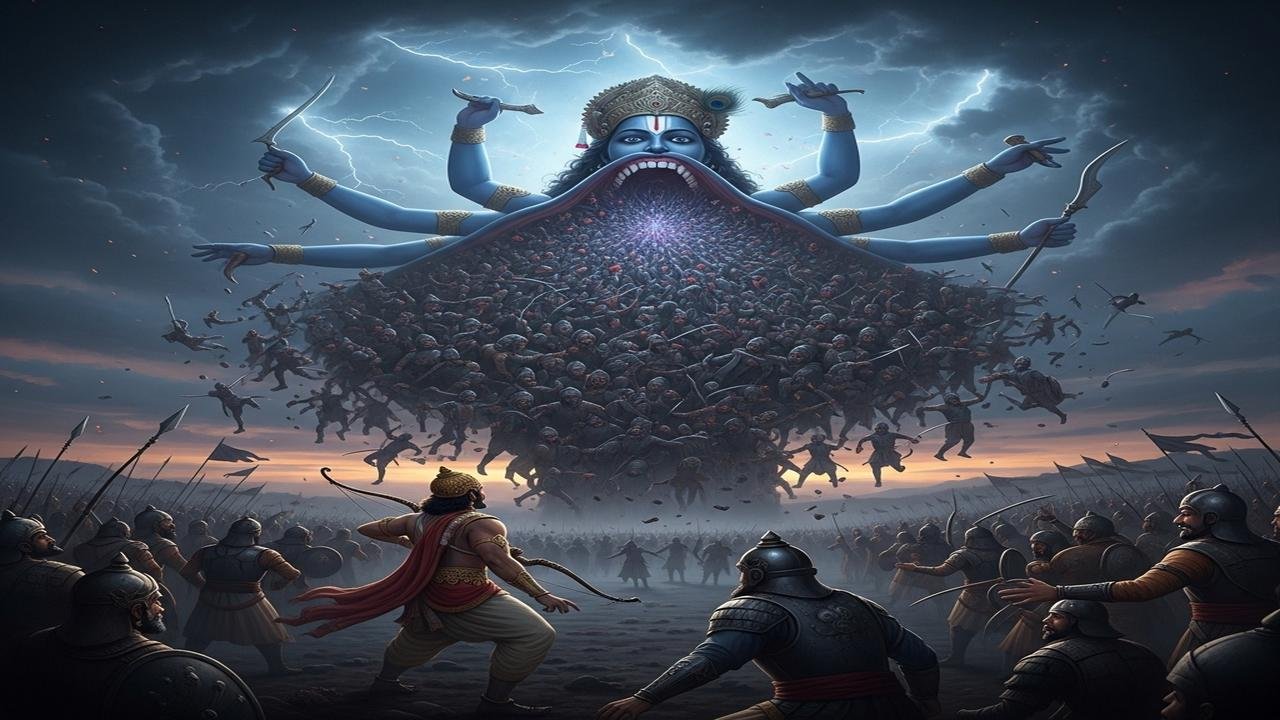
Arjuna Sees Krishna Devouring the Warriors of Both Armies
-
By
Context on the battlefield
The scene takes place on the plains of Kurukṣetra in the Mahābhārata, during the spiritual dialogue called ...