

08
Oct
Sanjaya Declares Victory Lies with Krishna and Arjuna
-
By
G S Sachin
Sanjaya’s voice and the gift of vision
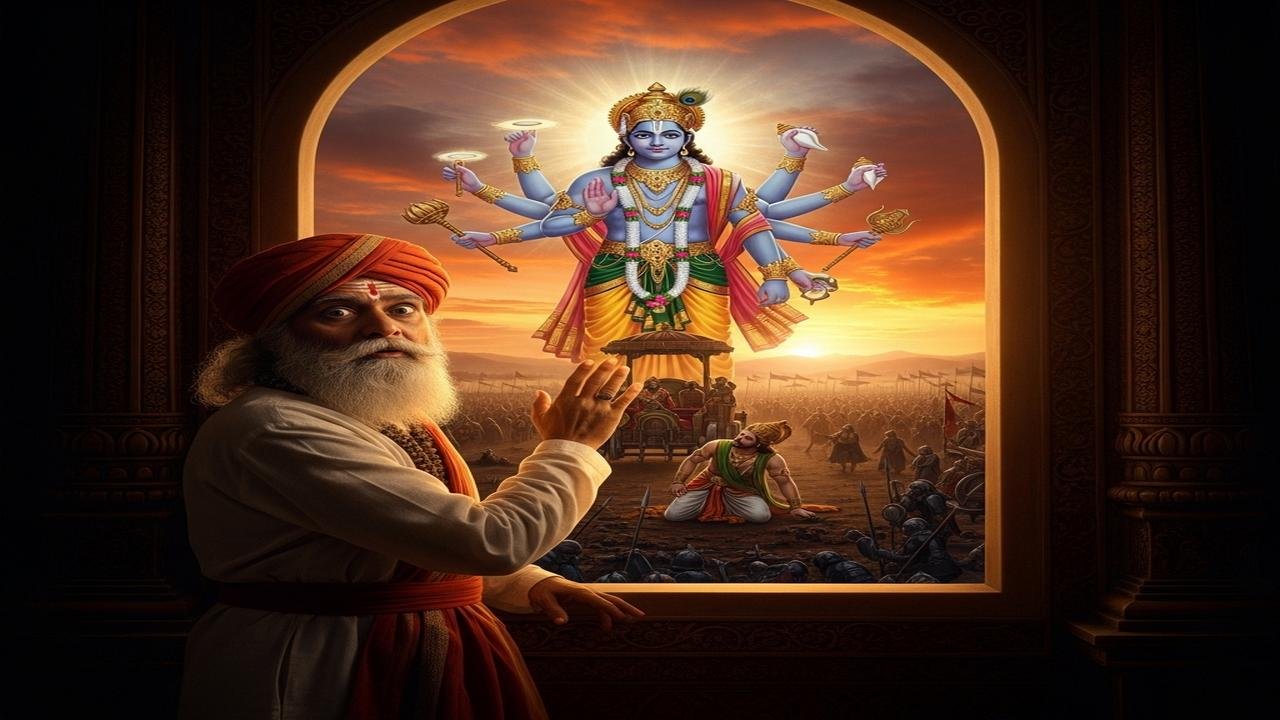
Sanjaya is one of the narrators at the heart of the Mahābhārata. Traditionally described as Dhṛt...
08
Oct
Sanjaya Describes His Vision of Krishna and Arjuna
-
By
Setting the scene: Sanjaya as witness and narrator
In the Mahābhārata’s Bhīṣma Parva, the Bhagavad Gītā is framed as a report: the blin...

08
Oct
Arjuna Accepts Krishna’s Words and Takes Up His Bow
-
By
Setting the scene: Kurukṣetra and a crisis of duty
The opening of the Bhagavad Gītā finds Arjuna, the Pandava hero, standing on the ba...

08
Oct
Arjuna Declares His Doubts Are Destroyed
-
By
Where the line comes from
The words "my doubts are destroyed" come at the close of the Bhagavad Gītā's final chapter (Chapter 18, verse...

08
Oct
Krishna Tells Arjuna to Do as He Wishes
-
By
Where the phrase appears
In the closing section of the Bhagavad Gītā (chapter 18), Krishna finishes a long teaching to Arjuna and, aft...

07
Oct
Krishna Encourages Arjuna to Abandon All Duties and Surrender
-
By
Context: a battlefield teaching
The line most often invoked in this discussion appears in the Bhagavad‑Gītā (Chapter 18, verse 66): “sa...

07
Oct
Krishna Declares the Supreme Secret of Surrender
-
By
Where Krishna speaks of the “supreme secret”
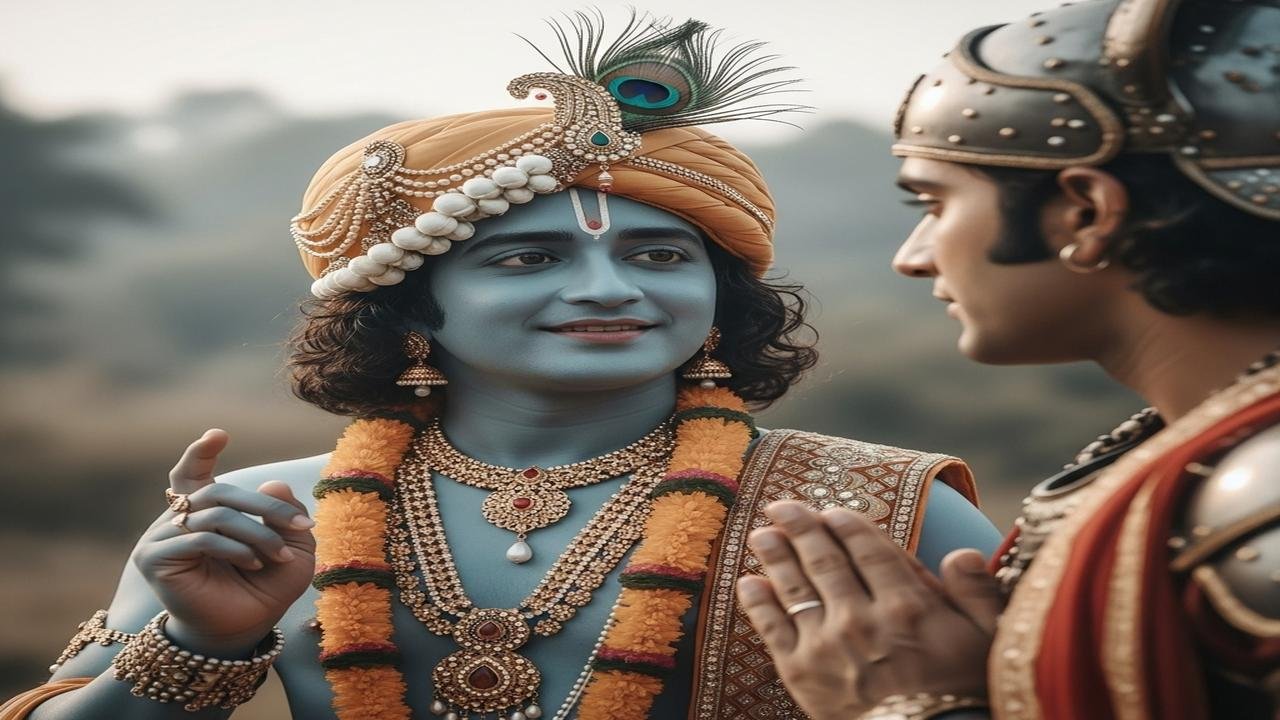
In the Bhagavad Gītā, Krishna uses language that many traditions sum up as a declaration ...
07
Oct
Krishna Explains Perfection Through Duty
-
By
## Krishna’s core teaching: perfection through duty
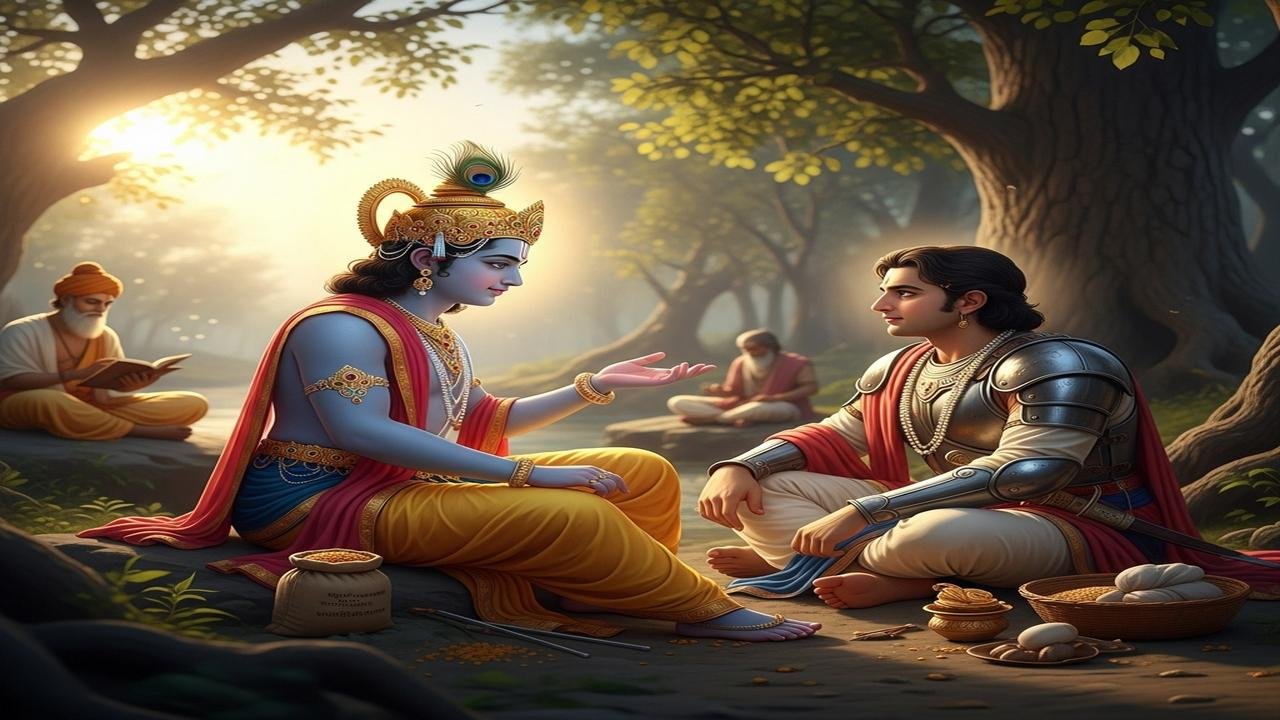
When Krishna speaks in the Bhagavad Gītā he addresses a crisis: Arjuna’s moral con...
07
Oct
Krishna Explains the Duties of Four Varnas
-
By
Scriptural starting point: where Krishna speaks of varṇa
The clearest classical account of the four varṇas appears in the Bhagavadgītā,...

07
Oct
Krishna Explains Three Types of Happiness
-
By
Context: where Krishna frames three kinds of happiness
In the Bhagavad Gītā, Krishna gives a compact ethical and psychological taxonomy...