

21
Sep
Why Bhagavad Gita 4.1-2 Says Krishna Taught Vivasvan
-
By
G S Sachin
What the Gita itself says
The Bhagavad Gita contains an explicit claim that connects Krishna’s teaching to an earlier cosmic lineage. I...

21
Sep
Arjuna’s Question In Bhagavad Gita Chapter 3 Explained
-
By
Arjuna’s question: why does man knowingly choose wrong?
In the Bhagavad Gītā, during the urgent exchange on the battlefield of Kurukṣe...
21
Sep
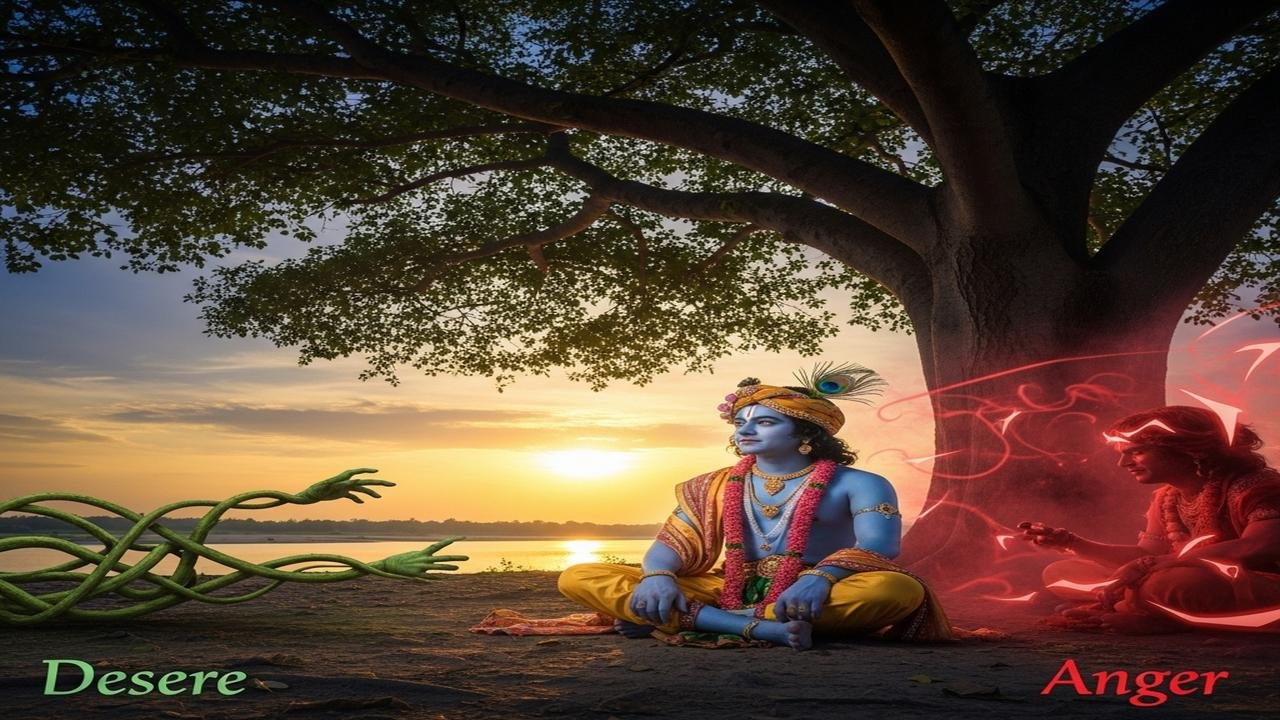
Krishna On Desire And Anger As Enemies In The Gita
-
By
Krishna’s warning in context
In the Bhagavad Gītā, Krishna identifies desire and anger as serious obstacles to spiritual and ethical l...
20
Sep
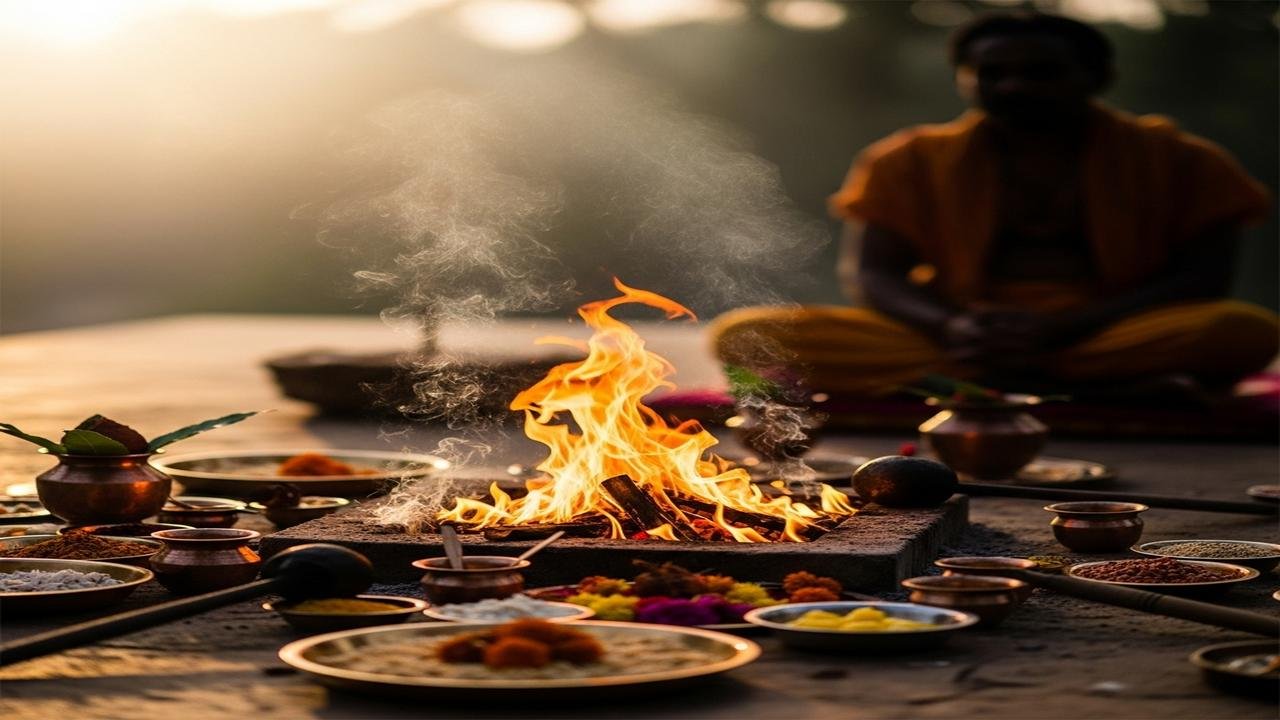
Yajna: Vedic Fire Rituals and Krishna’s Inner Sacrifice
-
By
What is yajna?
Yajna — often translated as “sacrifice” or “ritual offering” — is a foundational concept in Hindu thought that links hum...

20
Sep
Krishna Elevates Inner Tyaga Over Outward Sannyasa In The Gita
-
By
Opening: Krishna’s warning in context
When the Bhagavad Gītā stages its most intense spiritual teaching—Arjuna’s hesitation on the bat...

20
Sep
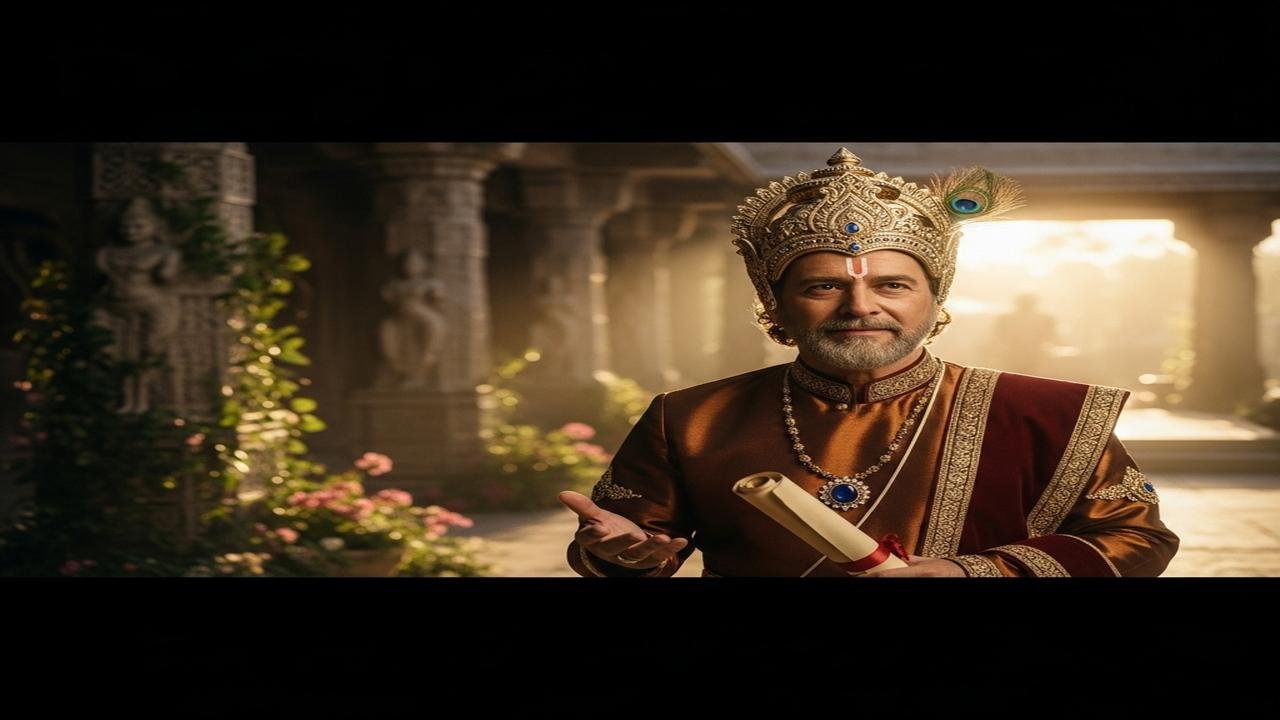
Bhagavad Gita On Action: 5 Reasons Krishna Urges Work
-
By
Opening: a paradox Krishna resolves
In the Bhagavad Gītā, Krishna addresses a central human puzzle: if knowledge and wisdom lead to fre...
20
Sep
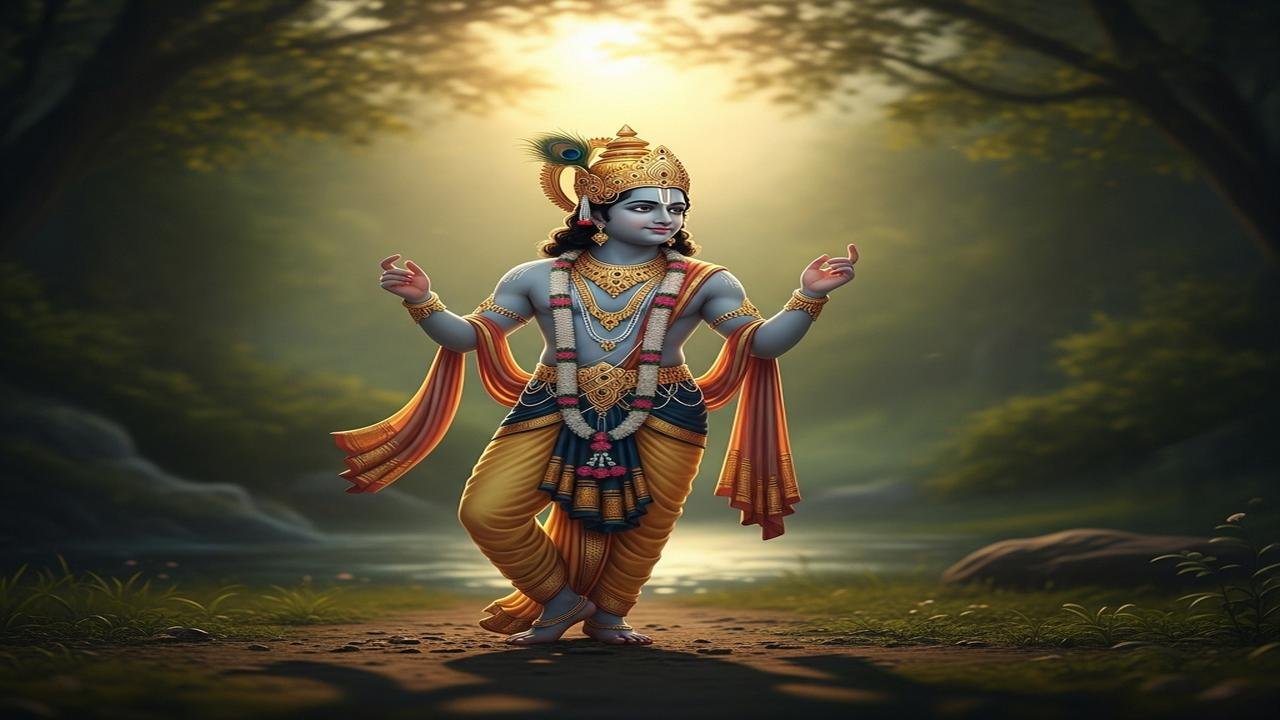
Janaka The King Who Embodied Detached Duty In The Gita
-
By
Janaka: the king who embodied detached duty
In many strands of Hindu thought, King Janaka is held up as the paradigm of a ruler who pe...
19
Sep
Krishna In The Bhagavad Gita Urges Action Not Inaction
-
By
Arjuna’s dilemma and Krishna’s reply
On the battlefield of Kurukṣetra, Arjuna faces a moral and spiritual crisis: should he fight his ...
19
Sep
Bhagavad Gita Chapter 2, Signs Of The Steady-Minded Sage
-
By
Context: where Krishna speaks of the enlightened sage
In the Bhagavad Gītā (often cited as Gītā) Krishna addresses the nature of a matu...
19
Sep
Bhagavad Gita Chapter 2 Verses 55–72 Define Sthitaprajna
-
By
Context: Arjuna’s question and the idea of a “stable” person
On the battlefield of Kurukṣetra, when Arjuna turns to Krishna in the Bha...