

24
Sep
Bhagavad Gita 7.16 Explains Four Types of Devotees
-
By
G S Sachin
Context: a short scriptural note
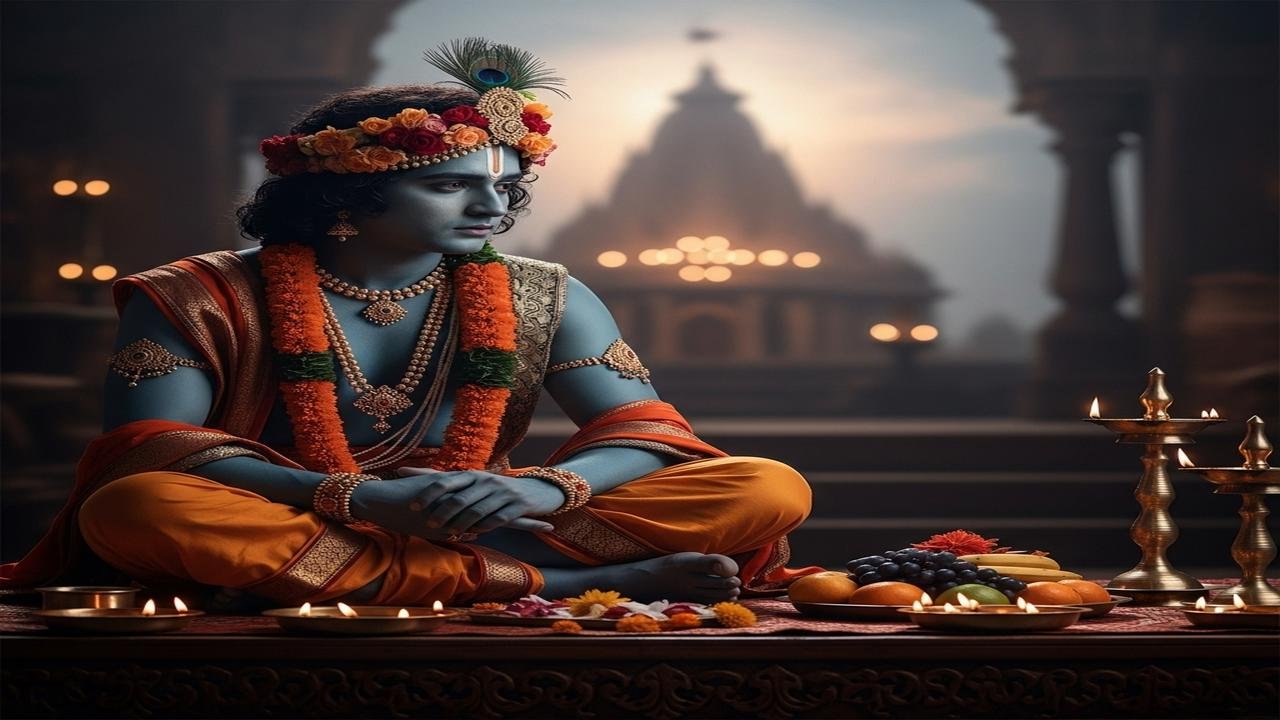
In the Bhagavad Gītā (7.16) Krishna describes “four kinds” of people who worship or turn to him. That...
24
Sep
Krishna In The Bhagavad Gita On Worship Of Other Gods 7.20-23
-
By
Context: Krishna’s teaching in the Gītā
In the Bhagavad Gītā Krishna addresses devotion, action and knowledge across several chapters. ...

24
Sep
Bhagavad Gita Explains Why Krishna Is The Taste In Water And Light
-
By
Context: where the line appears and why it matters
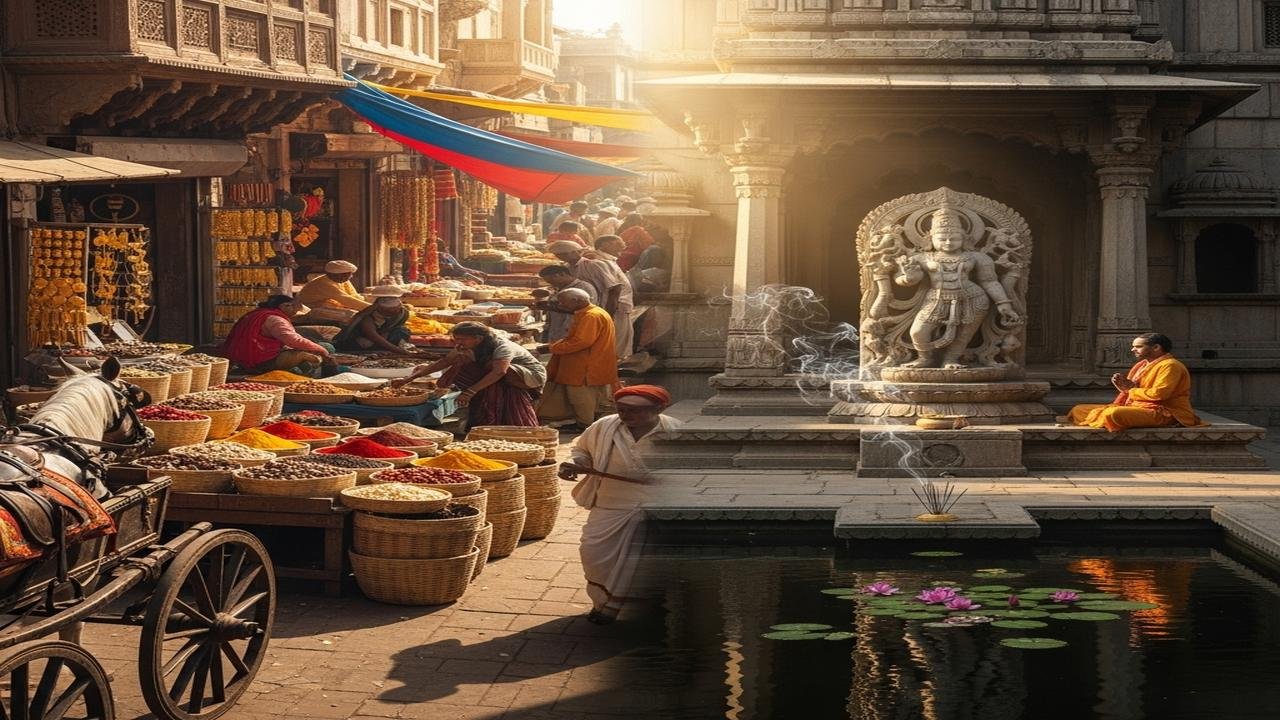
One of the most oft-quoted images from the Bhagavad Gītā is Krishna’s string of “I a...
24
Sep
Krishna’s Two Energies Material And Spiritual
-
By
Krishna’s distinction between material and spiritual energies
In the Bhagavad Gītā, Krishna speaks repeatedly about two kinds of power...

23
Sep
Bhagavad Gita 6.47 Explains Why the Devotee Yogi Is Highest
-
By
Context: where Krishna speaks of the “devotee yogi”
The phrase that “the devotee yogi is the highest” comes from a specific theologica...

23
Sep
Bhagavad Gita Chapter 6: Krishna On The Struggling Yogi
-
By
Context: a question in the Gītā
In the Bhagavad Gītā’s sixth chapter the drama on the battlefield becomes a classroom for practical sp...

23
Sep
Bhagavad Gita: Why Krishna Prefers the Yogi in Chapter 6
-
By
What the Gītā says
In the Bhagavad Gītā, Krishna contrasts two ways of spiritual practice: external renunciation and inner yoga. The d...
23
Sep
Bhagavad Gita Lamp Simile: A Windless Lamp For Steady Mind
-
By
Context: a lamp in a windless place
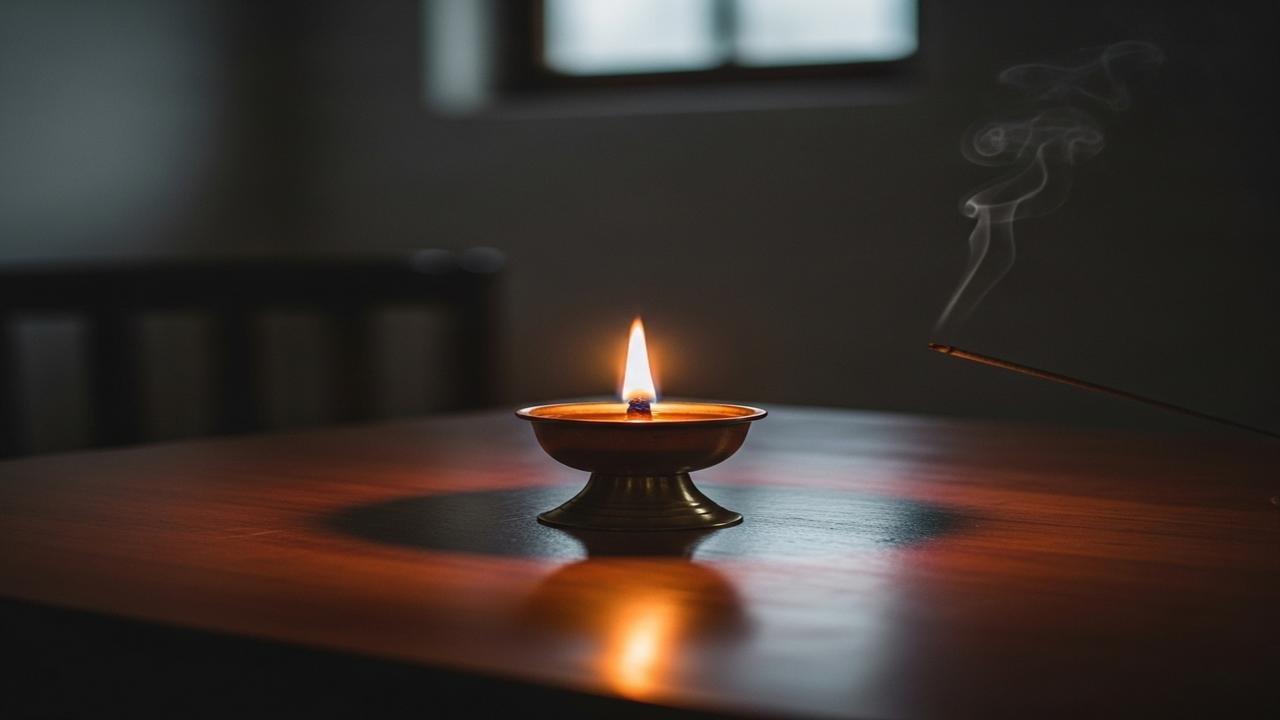
In the Bhagavad Gītā’s chapter on meditation (dhyāna-yoga), Krishna offers a compact image: the yog...
23
Sep
Krishna’s Guide To Meditation In Bhagavad Gita Chapter 6
-
By
Introduction — What Krishna meant by meditation
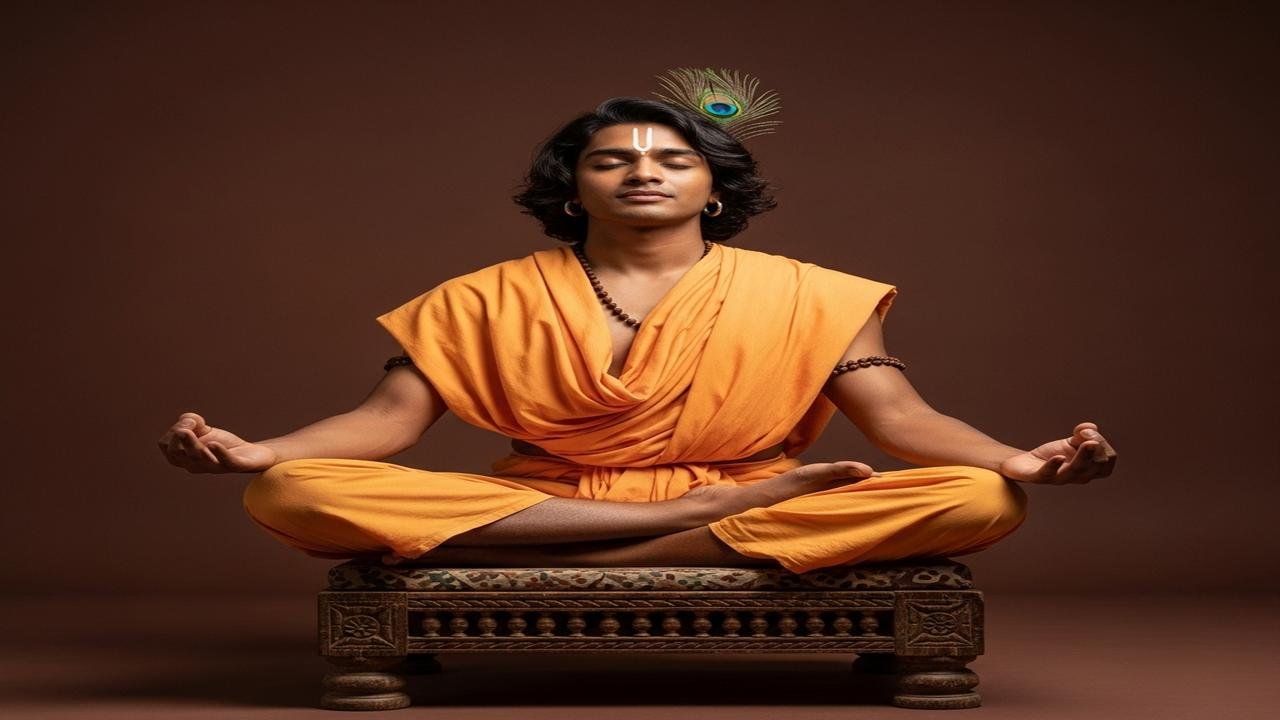
When Krishna speaks about the discipline of meditation in the Bhagavad Gītā, he addres...

23
Sep
Krishna’s Guide To The True Yogi: Bhagavad Gita Chapter 6
-
By
What Krishna says in the Gītā
When readers ask “What is a true yogi?” most classical Hindu answers trace back to Lord Krishna’s teachin...