

04
Oct
Krishna Declares the Gates of Hell: Lust, Anger, Greed
-
By
G S Sachin
Krishna’s “three gates” in the Gītā
In the Bhagavad Gītā (chapter 16, verses often cited as 21–23), Krishna identifies three gateways ...

03
Oct
Krishna Explains the Demonic Nature
-
By
Context: where Krishna speaks about the demonic
Krishna’s most sustained account of human character as divine or demonic appears in the...

03
Oct
Krishna Describes the Divine Qualities
-
By
Context: where Krishna speaks of divine qualities
The description of Krishna’s divine qualities appears most directly in the Bhagavad ...

03
Oct
Krishna Explains How He Gives Memory and Knowledge
-
By
Where Krishna speaks about giving knowledge
Across the Sanskrit tradition, Krishna is portrayed both as a teacher and as the divine so...

03
Oct
Krishna Declares He Is the Supreme Purusha
-
By
Context: the term Purusha (cosmic person) in Vedic and classical thought
The Sanskrit word purusha often appears in Indian texts to me...

03
Oct
Krishna Explains the Difference Between Perishable and Imperishable
-
By
Context: where Krishna speaks about perishable and imperishable
When Krishna speaks of the “perishable” and the “imperishable,” he is ...
03
Oct
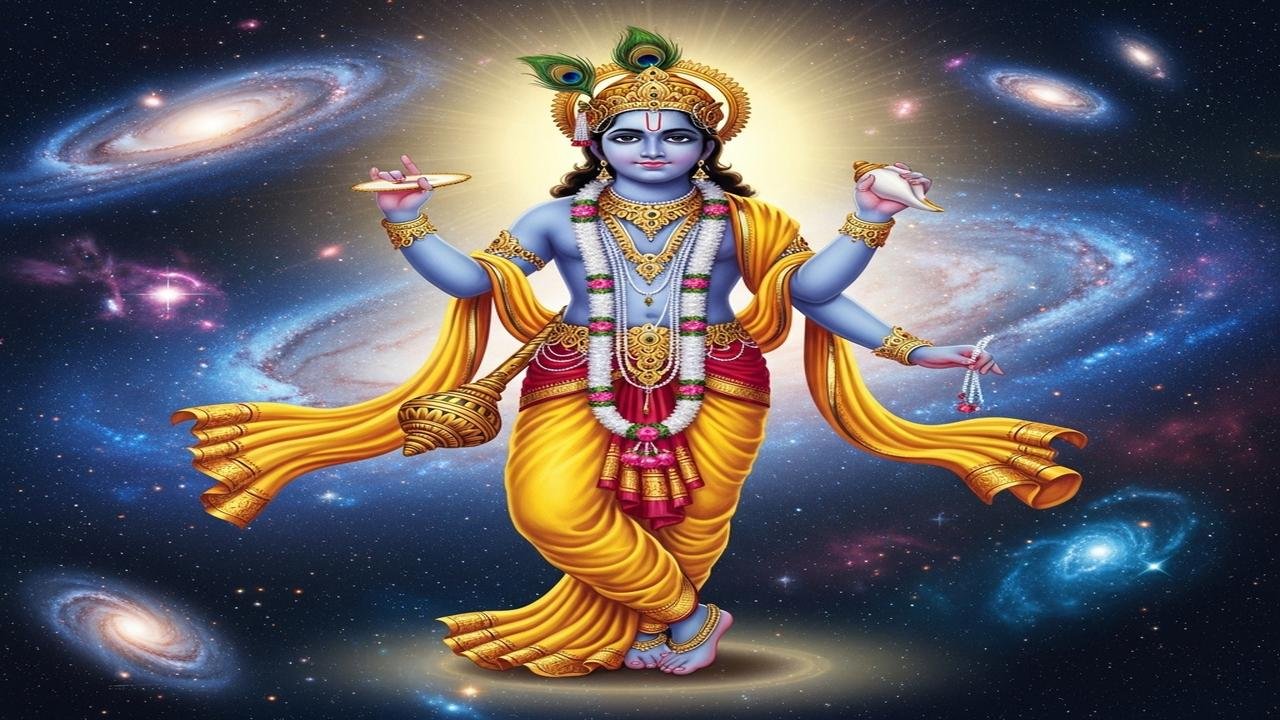
Krishna Declares He Is the Sustainer of All
-
By
Where Krishna makes the claim
In the Bhagavad Gītā, Krishna repeatedly speaks of his relationship to the world in language that many r...
02
Oct
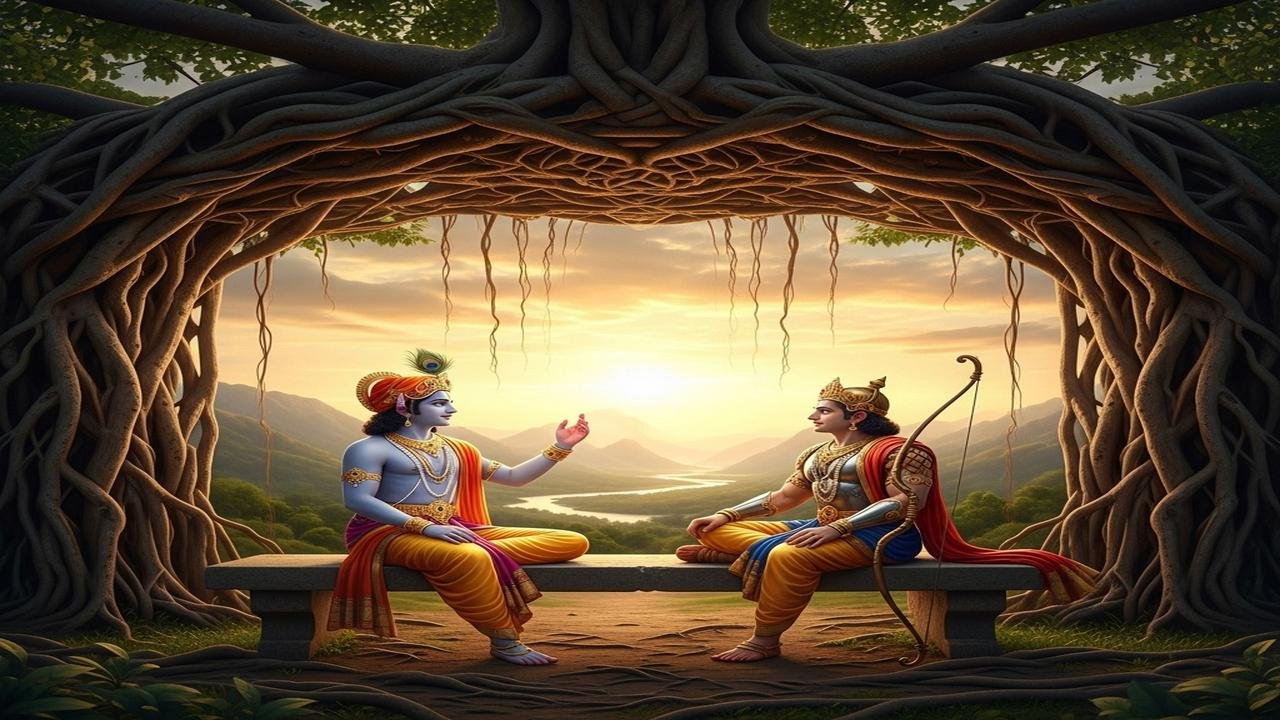
Krishna Explains the Inverted Tree of Material Existence
-
By
Krishna’s image: the inverted tree in the Bhagavad Gītā
In the Bhagavad Gītā (chapter 15, especially verses 1–4), Krishna presents an a...

02
Oct
Krishna Explains How to Cross Beyond Gunas
-
By
Setting the scene
In the Bhagavad Gita, Krishna frames human psychology through three basic qualities called gunas — the “qualities” t...

02
Oct
Arjuna Asks About the Marks of the Transcendental Person
-
By
Context: where Arjuna’s question appears
The moment comes early in the Bhagavad Gītā when Arjuna — a warrior caught between duty and d...