
23
Sep
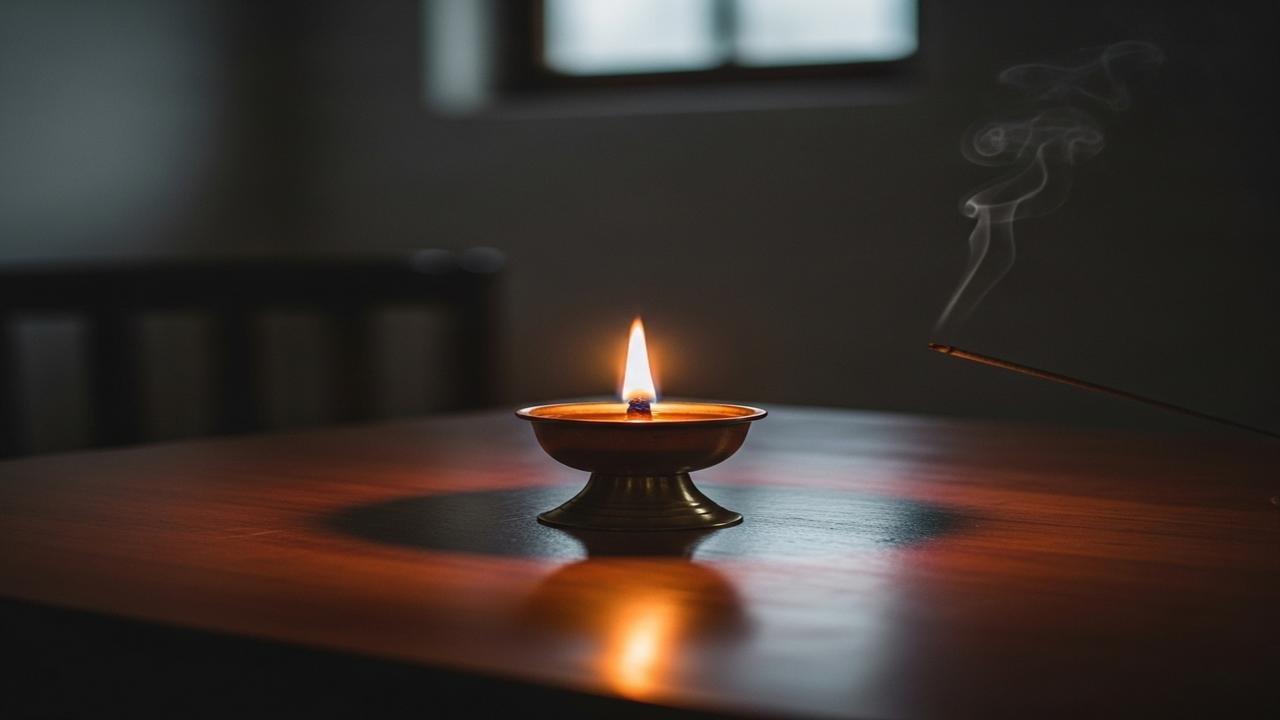
Bhagavad Gita Lamp Simile: A Windless Lamp For Steady Mind
-
By
G S Sachin
Context: a lamp in a windless place
In the Bhagavad Gītā’s chapter on meditation (dhyāna-yoga), Krishna offers a compact image: the yog...

23
Sep
Krishna’s Guide To Meditation In Bhagavad Gita Chapter 6
-
By
Introduction — What Krishna meant by meditation
When Krishna speaks about the discipline of meditation in the Bhagavad Gītā, he addres...

23
Sep
Krishna’s Guide To The True Yogi: Bhagavad Gita Chapter 6
-
By
What Krishna says in the Gītā
When readers ask “What is a true yogi?” most classical Hindu answers trace back to Lord Krishna’s teachin...

22
Sep
Krishna On Jnana: How Knowledge Liberates In Gita 2, 4, 13, 18
-
By
What Krishna means by “knowledge”
In the Bhagavad Gītā, Krishna often frames liberation as arising from jnana — knowledge — but that w...

22
Sep
Krishna On Equal Vision: Bhagavad Gita 5.18 and Samatva
-
By
What Krishna means when he says a yogi sees all beings equally
In the Bhagavad Gītā and related Hindu texts, Krishna speaks of a state...

22
Sep
Krishna’s Lotus Leaf In the Bhagavad Gita On Non-Attachment
-
By
Krishna’s lotus-leaf image — a quick orientation
One of the most enduring images Krishna uses to describe the ideal of inner freedom i...

22
Sep
Bhagavad Gita Chapter 2.47: Act Without Attachment
-
By
Context: where this teaching appears
The idea of a "yogi who works without attachment" is best known from the Bhagavad Gītā, the conve...
22
Sep
Bhagavad Gita Sannyāsa Versus Karma In Chapters 2, 3, 18
-
By
Background: Arjuna’s dilemma
In the Bhagavad Gītā, the warrior Arjuna asks a central moral and spiritual question: should he renounce ...
22
Sep
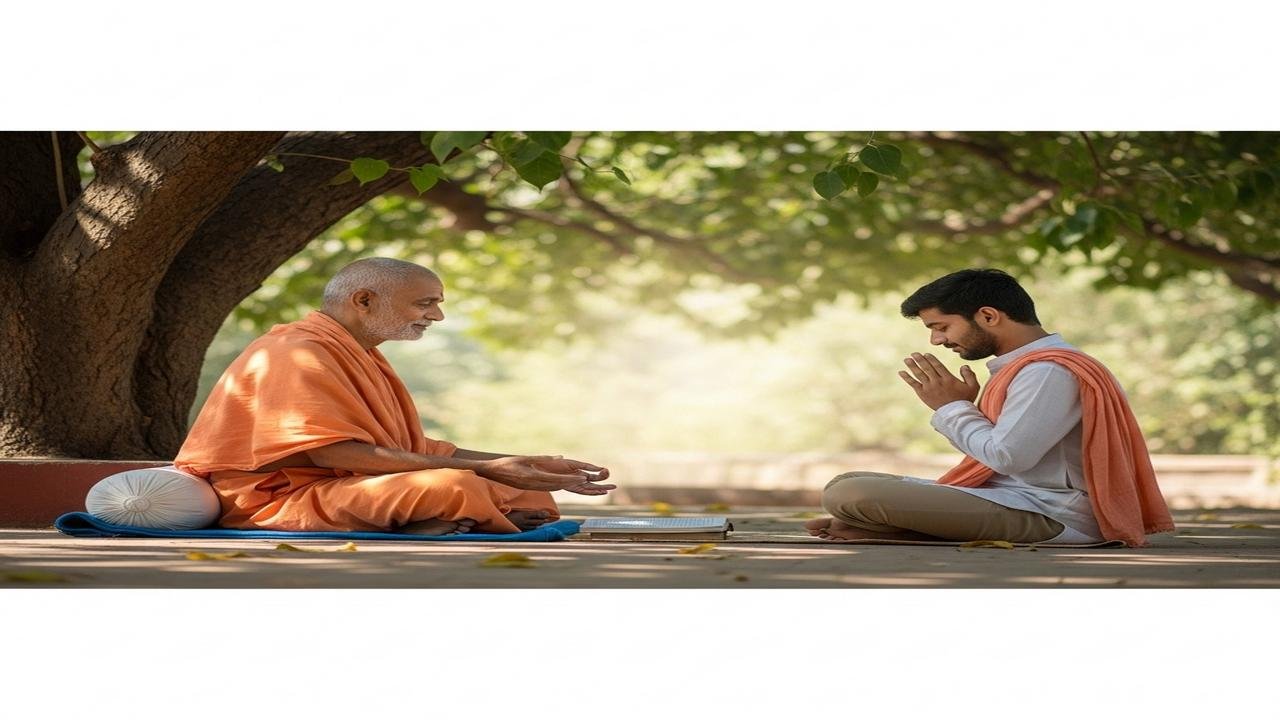
Bhagavad Gita 4.34 Explains How To Approach A Guru
-
By
Context: Krishna’s counsel to a puzzled seeker
In the Bhagavad Gītā, the battlefield becomes a classroom. Arjuna’s confusion about dut...
22
Sep
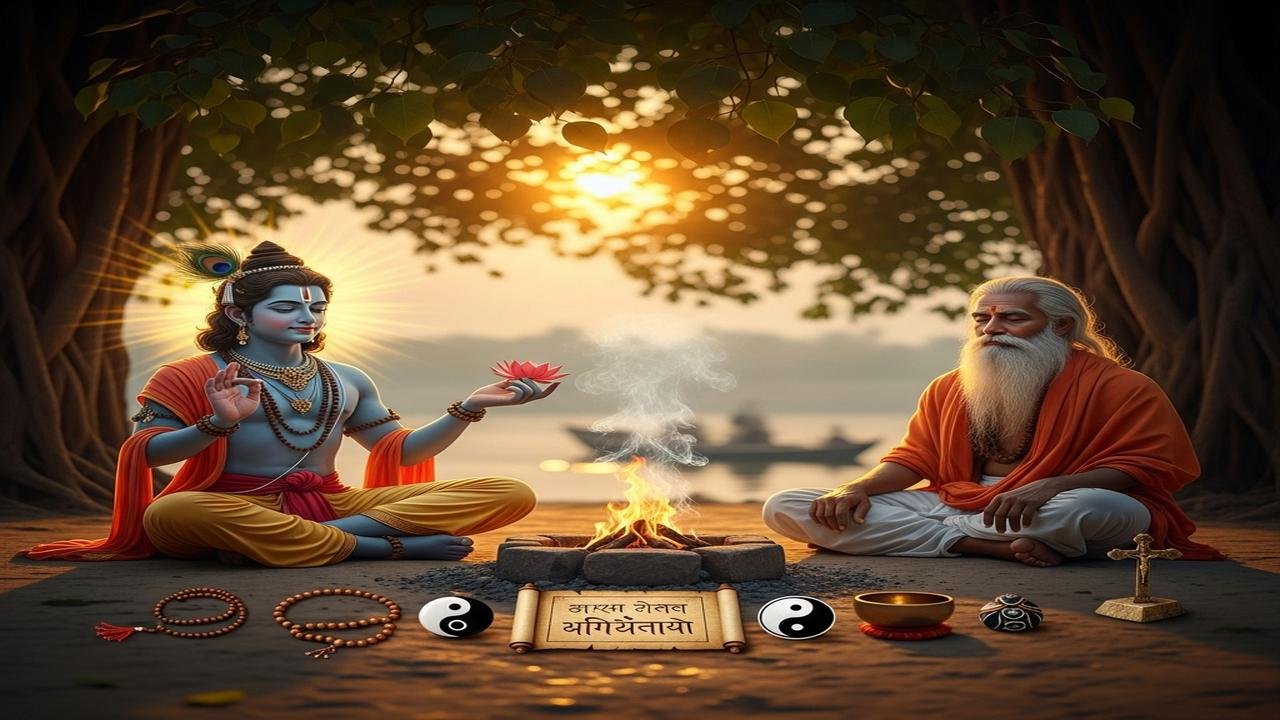
Krishna And Jñāna: How Knowledge Burns Karma Across Traditions
-
By
What Krishna meant by “knowledge burns all karma”
When Hindu traditions say that Krishna or the Bhagavad Gītā teaches that *jñāna* — k...