
19
Sep
Krishna In The Bhagavad Gita Urges Action Not Inaction
-
By
G S Sachin
Arjuna’s dilemma and Krishna’s reply
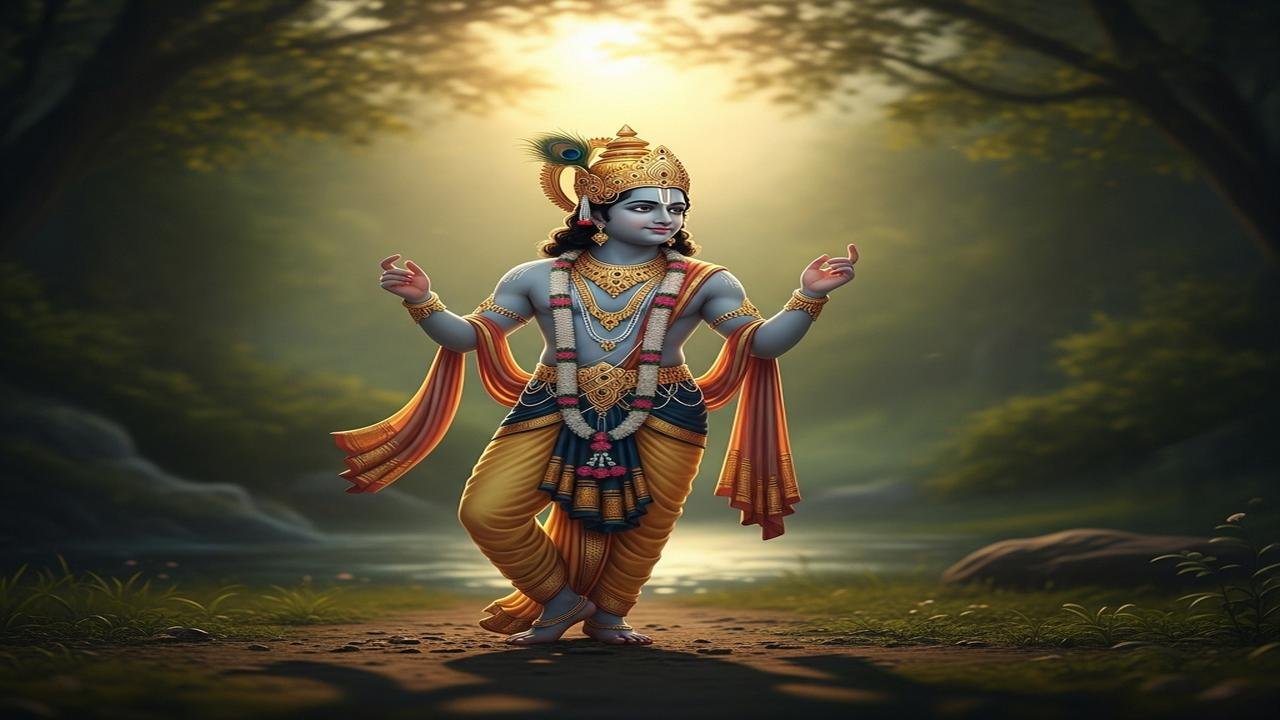
On the battlefield of Kurukṣetra, Arjuna faces a moral and spiritual crisis: should he fight his ...
19
Sep
Bhagavad Gita Chapter 2, Signs Of The Steady-Minded Sage
-
By
Context: where Krishna speaks of the enlightened sage
In the Bhagavad Gītā (often cited as Gītā) Krishna addresses the nature of a matu...
19
Sep
Bhagavad Gita Chapter 2 Verses 55–72 Define Sthitaprajna
-
By
Context: Arjuna’s question and the idea of a “stable” person
On the battlefield of Kurukṣetra, when Arjuna turns to Krishna in the Bha...

19
Sep
Krishna On Sense Control: Chapters 2, 3, 6 and 12 Bring Peace
-
By
Krishna’s central claim: sense-control leads to peace
In the Bhagavad Gītā, Krishna teaches that inner calm and steady wisdom follow f...
19
Sep
Bhagavad Gita Chapters 2 And 3 Explain How Desire Arises
-
By
Introduction — why this question matters
One of the most pressing questions in Indian spiritual literature is how desire (kāma) arises...

19
Sep
Bhagavad Gītā Ocean Simile And Verse 2.70 Explained
-
By
Where the ocean image appears in the Gītā
In the Bhagavad Gītā, during the second chapter of his core teaching to Arjuna, Krishna uses...

18
Sep
Bhagavad Gita 2.47: Krishna On Duty Without Attachment
-
By
Context: Krishna's counsel on the battlefield
The instruction commonly summarised as “perform duty without attachment” appears in the B...
18
Sep
Bhagavad Gita 2.27: Why Krishna Says Birth Implies Death
-
By
Krishna’s compact lesson: death is certain for the born
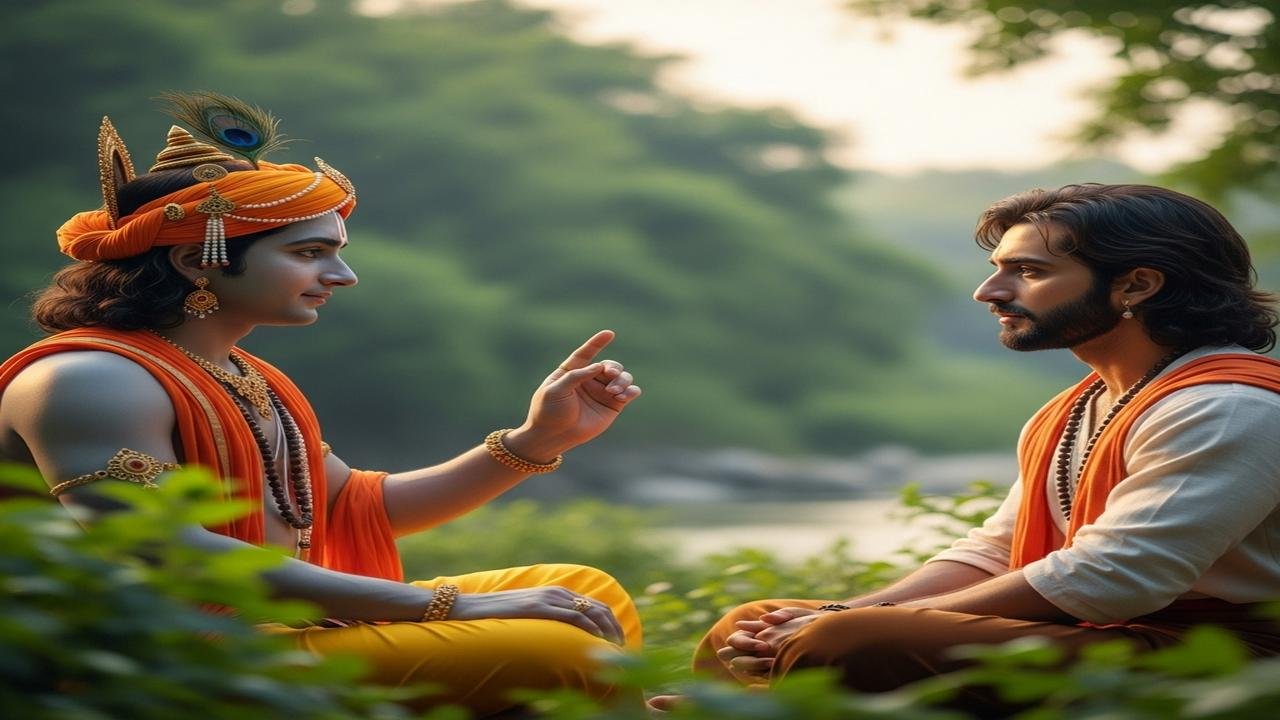
In the Bhagavad Gītā Krishna tells Arjuna, in a few terse lines, that “for the ...
18
Sep
Krishna Explains the Soul in Chapter 2 of the Bhagavad Gita
-
By
Krishna’s basic claim: the soul outlasts the body
In the Bhagavad Gītā, Krishna addresses Arjuna’s fear of death directly. The central...

18
Sep
Arjuna’s Surrender in the Bhagavad Gita 2.7 and 18
-
By
Overview: Arjuna’s turn from friend to disciple
In the Bhagavad Gītā, the dramatic dialogue in the Mahābhārata’s Bhīṣma Parva, Prince A...