
12
Sep
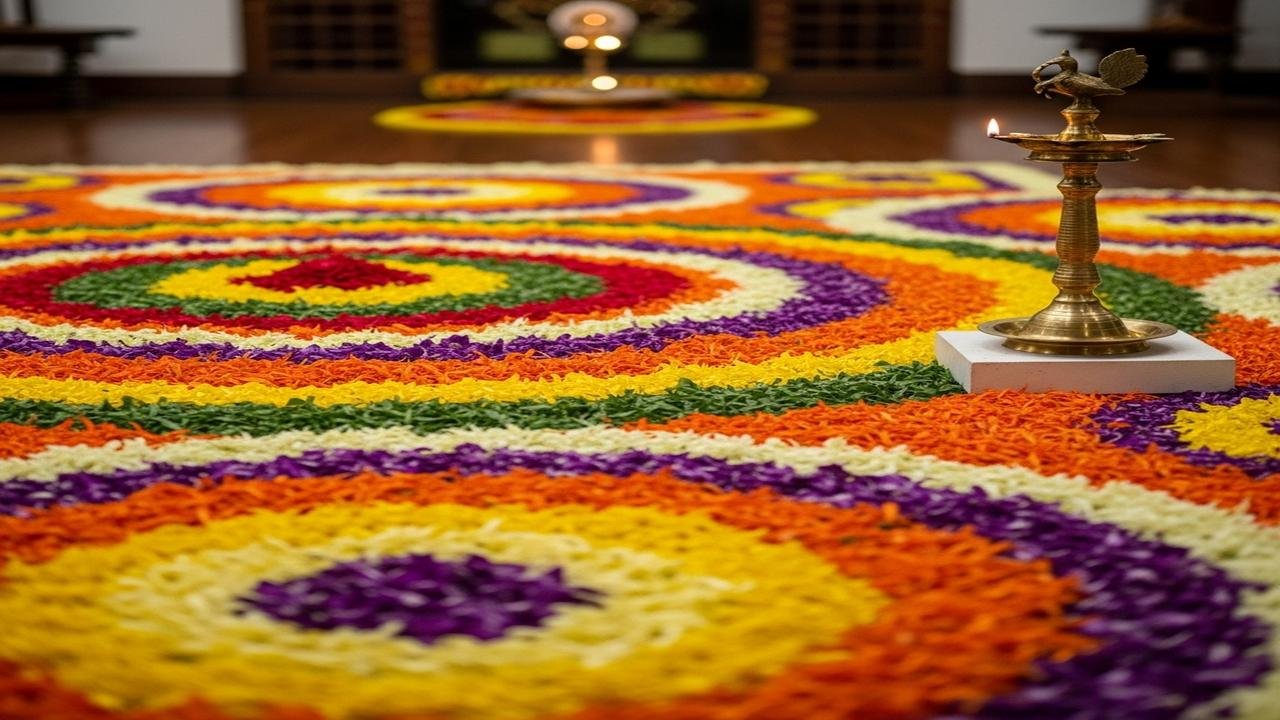
Onam Pookalam Why Kerala Uses Flowers To Welcome Mahabali
-
By
G S Sachin
Introduction
Onam is Kerala’s largest annual festival, observed across communities as a cultural, social and religious occasion. Centra...

11
Sep
Kaustubha: Vishnu’s Jewel From the Samudra Manthan
-
By
Origin in the mythic narrative
The Kaustubha — the divine jewel associated with Lord Vishnu — first appears in the classical Puranic n...

11
Sep
Karma Bhoomi: Bharat As A Land Of Duty In The Gita
-
By
What the phrase means
Karma bhoomi literally means “land of action” (karma — action; bhoomi — land). When applied to Bharat (also calle...

11
Sep
Sankhya: Purusha, Prakriti and the 25 Tattvas
-
By
What Sankhya sets out to do
Sankhya (also spelled Sāṅkhya) is one of the oldest systematic philosophies in the Indian world. At its hea...

11
Sep
Garbhagriha The Temple Womb House And Inner Sanctum
-
By
What is the Garbhagriha?
The word garbhagriha — literally “womb-house” — names the innermost chamber of a Hindu temple where the princi...

11
Sep
Mantra Practice: When To Chant Aloud And When To Stay Silent
-
By
Mantra aloud and mantra silent: an overview
Across Hindu traditions, chanting mantras — repeated sacred sounds or names — sits at the i...

11
Sep
Guru Purnima Ashadha Full Moon Honouring Teachers
-
By
What is Guru Purnima?
Guru Purnima is an annual observance falling on the full-moon day (pūrṇimā — full moon) in the lunar month of As...
11
Sep
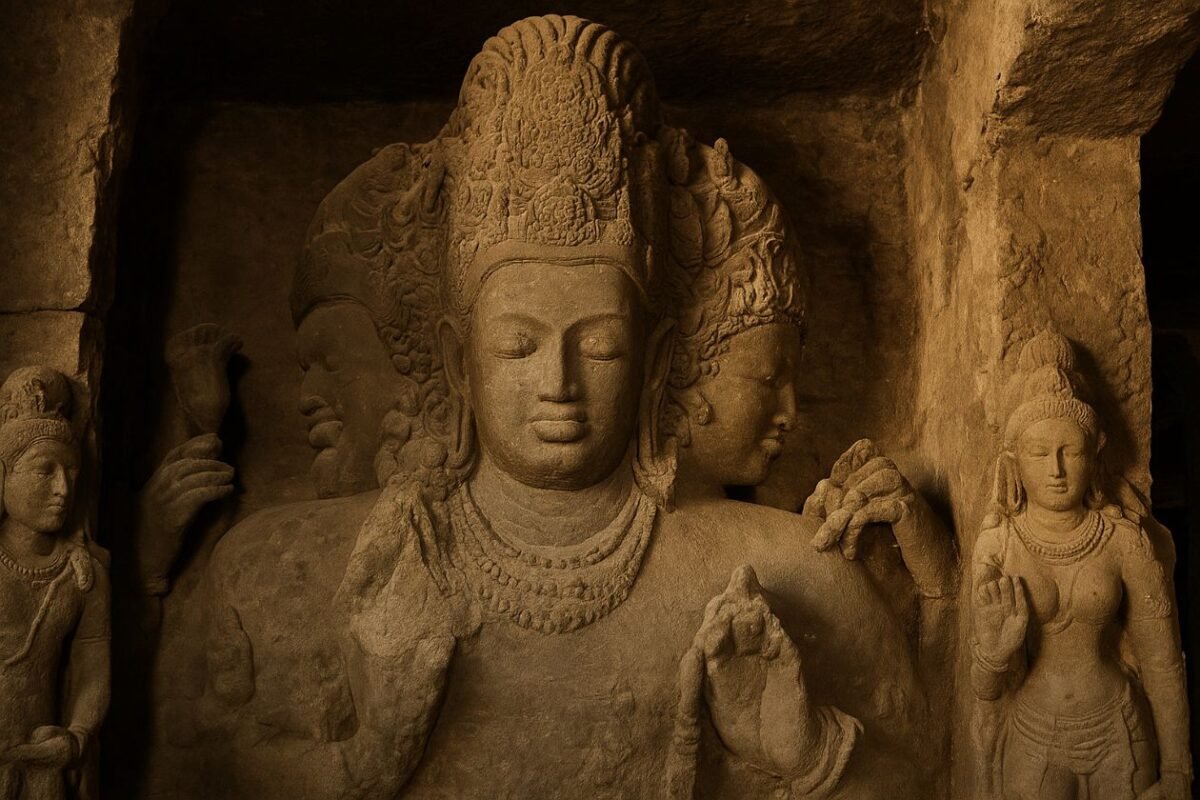
Ardhanarishvara: Shiva And Shakti In Elephanta Caves
-
By
Ardhanarishvara — a short definition
Ardhanarishvara (often written Ardhanārīśvara; literally “the Lord who is half woman”) is an icon...
10
Sep
Vrat: Why Somvar Monday And Guruvar Thursday Are Observed
-
By
Vrat — a short primer
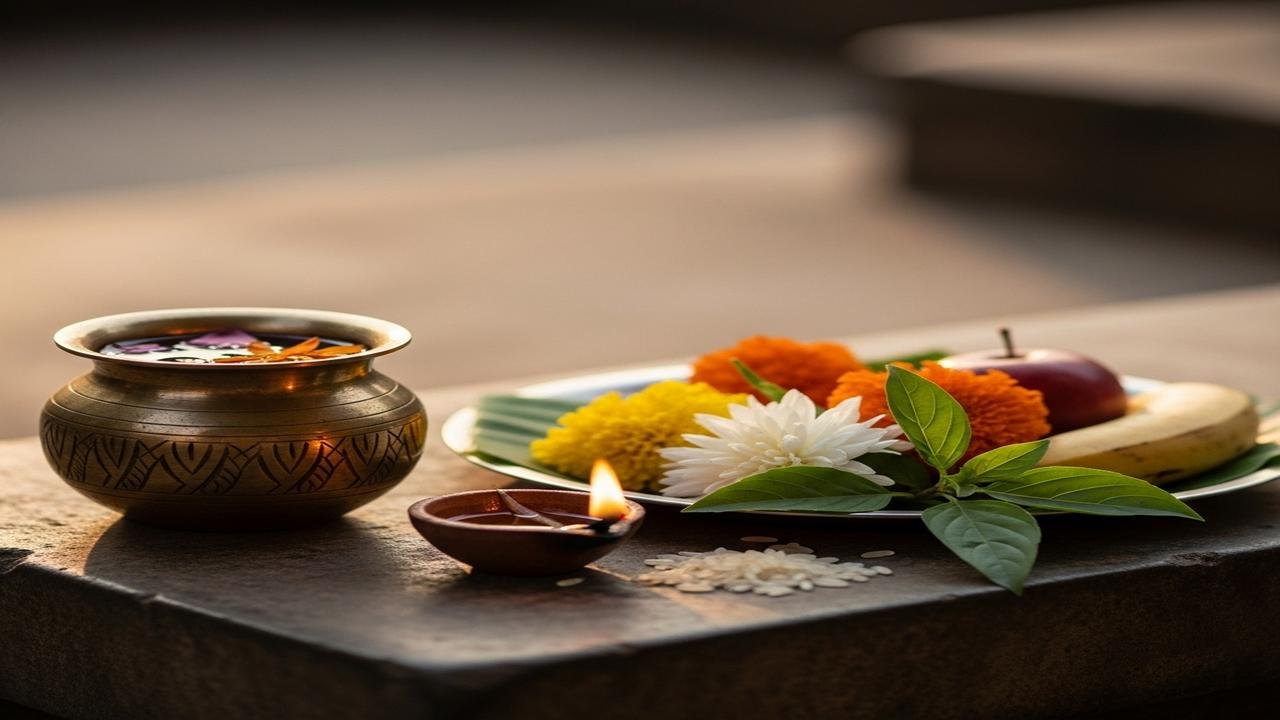
Vrat — a vow or fast — has long been part of Hindu religious life. Some fasts are tied to festivals or lunar days...

10
Sep
Shivalinga: Why Devotees Pour Water, Take Tirtha
-
By
Why people touch the Shivalinga with water
On entering a Shiva temple many people pour water over the linga, touch the wet stone with ...