
10
Sep
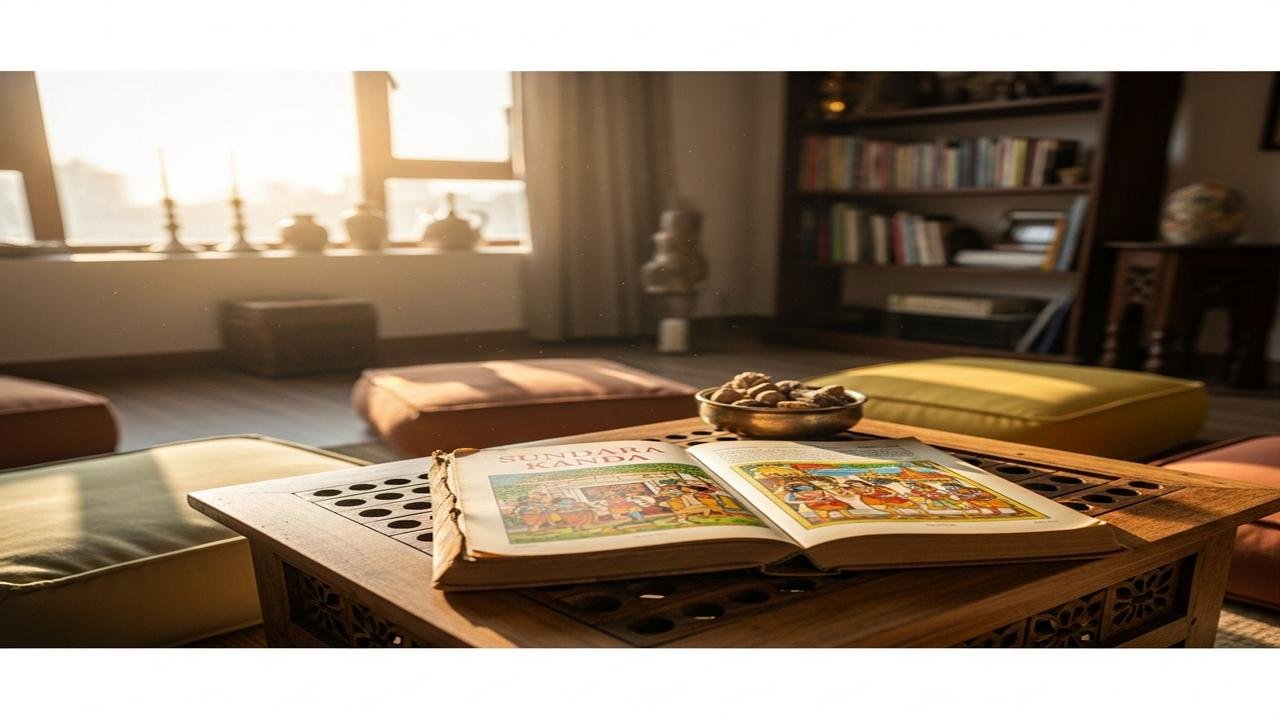
Ramayana In Homes: Why Families Read Sundara Kanda
-
By
G S Sachin
Why Ramayana is recited in homes
Reciting the Ramayana in homes is a long-standing practice across many regions and communities in Ind...

10
Sep
Dashavatara: Why Vishnu’s Ten Incarnations Still Matter
-
By
Why ten incarnations matter beyond myth
The Dashavatara — literally “ten descents” — is one of Hinduism’s most recognisable narrative f...

10
Sep
Yajnopavita: Origins, Upanayana and Three Strands
-
By
## What the sacred thread is — and where the word comes from
The sacred thread, commonly called *yajnopavīta* (literally “sacredly pla...

10
Sep
Damaru: Shiva’s Hourglass Drum, Its Myths and Uses
-
By
The object and the question
The damaru is the small, hourglass-shaped drum that is most commonly pictured in the upper right hand of Sh...

09
Sep
Saraswati From Vedic River To Goddess Of Learning
-
By
Introduction
Goddess Saraswati is widely worshipped across India as the patron of learning, speech, music and the arts. People invoke h...
09
Sep
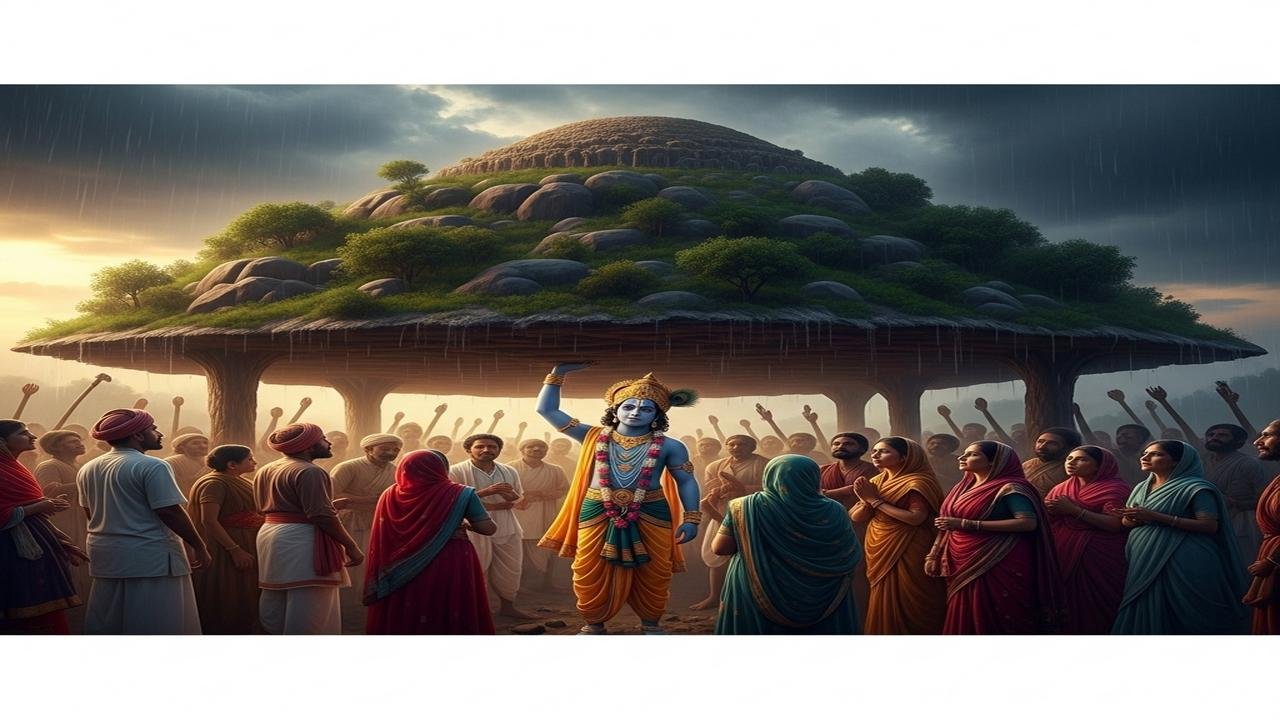
Krishna Shelters Villagers Under Govardhan Hill Seven Days
-
By
The episode in scripture
The story of Krishna lifting Govardhan hill appears most famously in the Śrīmad Bhāgavata Purāṇa (Bhāgavata P...

09
Sep
Makar Sankranti: Why Gujarat Rooftops Fill With Kites
-
By
What Makar Sankranti marks
Makar Sankranti is a solar festival celebrated across the subcontinent on the day the Sun moves into Makara ...
09
Sep
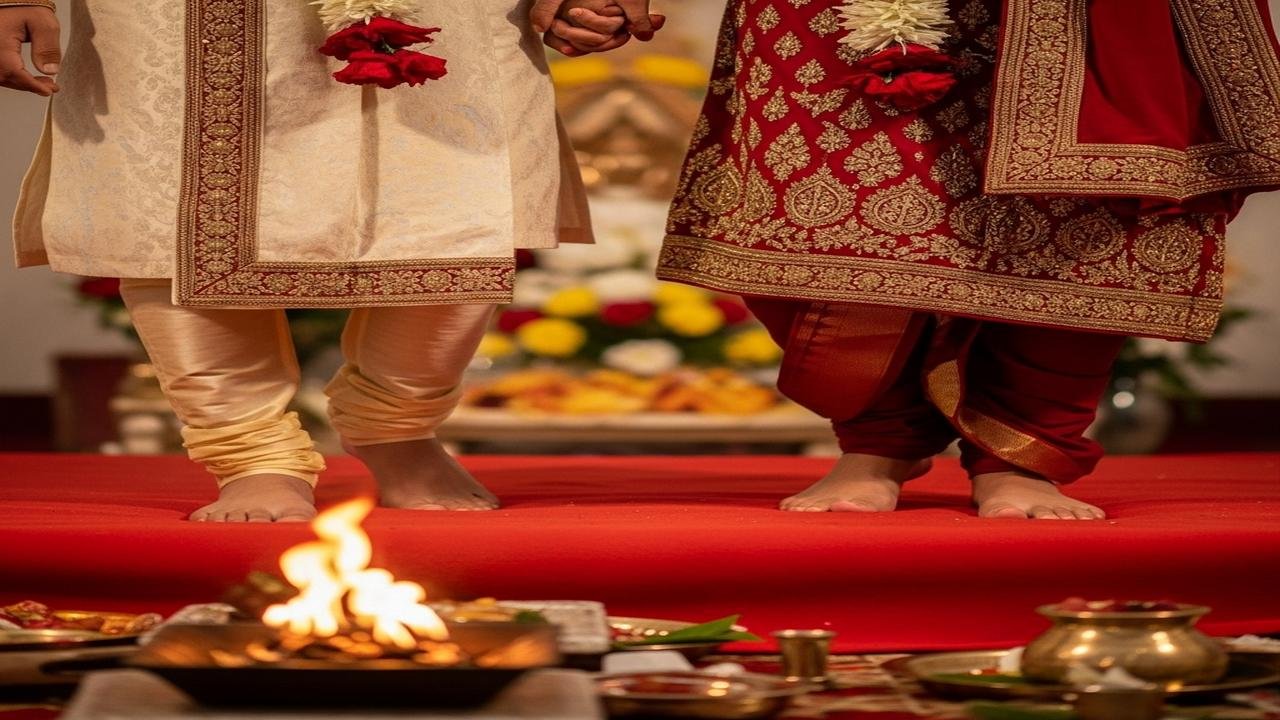
Saptapadi: Seven Steps, Agni as Witness and Shared Vows
-
By
Opening observation
The moment when a bride and groom take the seven steps together around the sacred fire is one of the most recognisa...
09
Sep
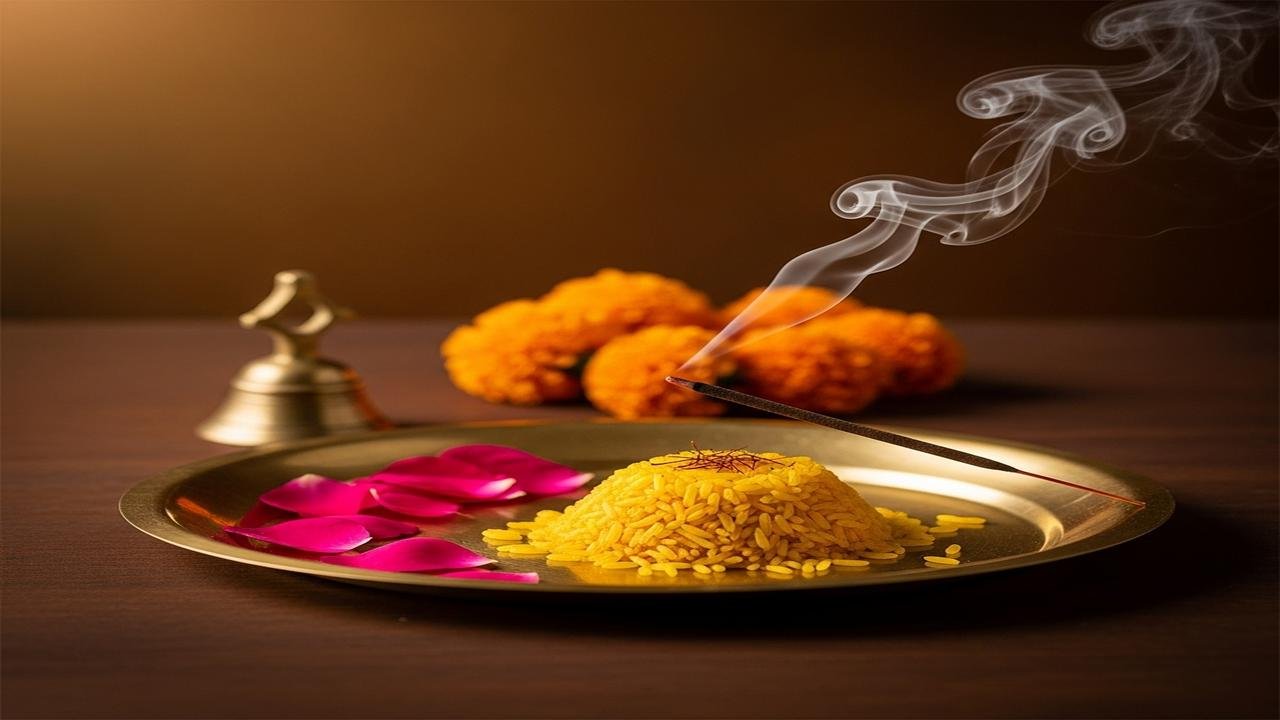
Prasad: Why Food Offered To A Deity Is Sacred
-
By
What is prasad?
Prasad — literally "grace" or "a gracious gift" — most commonly refers to food or other objects that have been formally...
09
Sep
Prasāda Explained: How Temple Offerings Become Blessings
-
By
What is prasāda?
Prasāda (Sanskrit: prasāda — “gracious gift” or consecrated offering) is the food, flowers or other items that have be...