
08
Sep
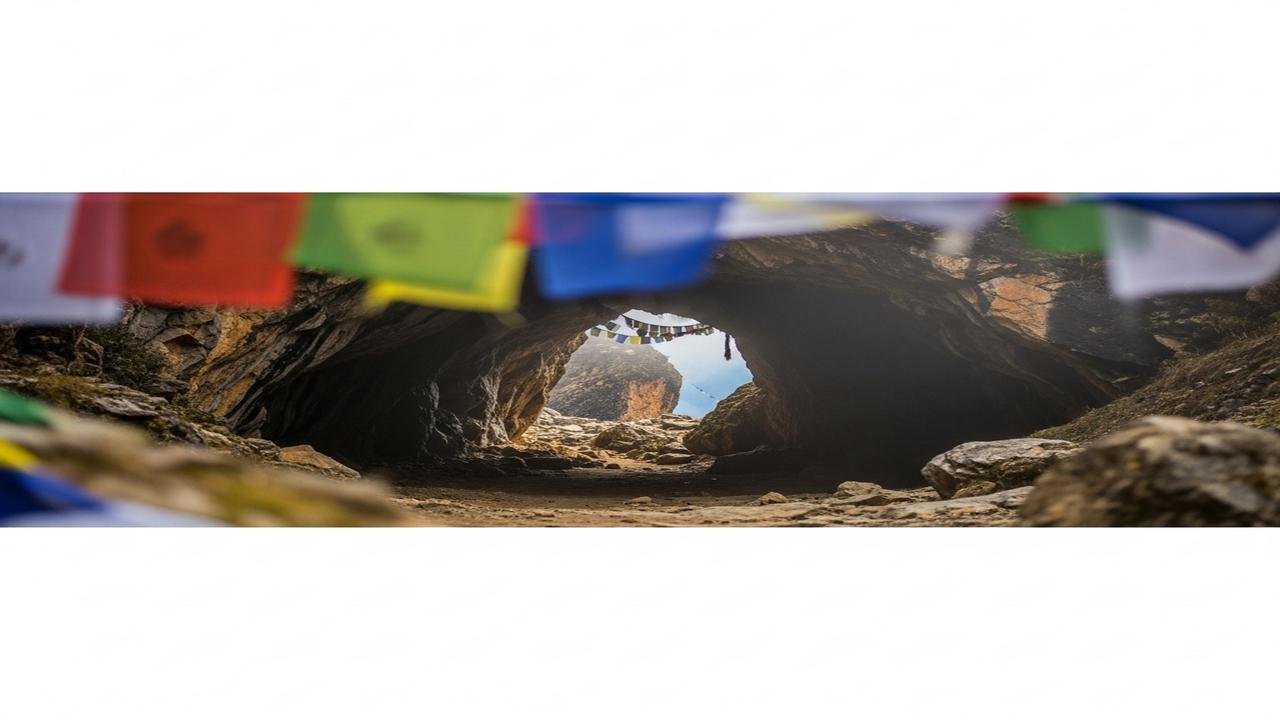
Himalayan Caves As Spiritual Laboratories Of Tapas
-
By
G S Sachin
The cave as a spiritual laboratory
Across the Himalaya, natural rock cavities and small shelters have long served as more than shelter...
08
Sep
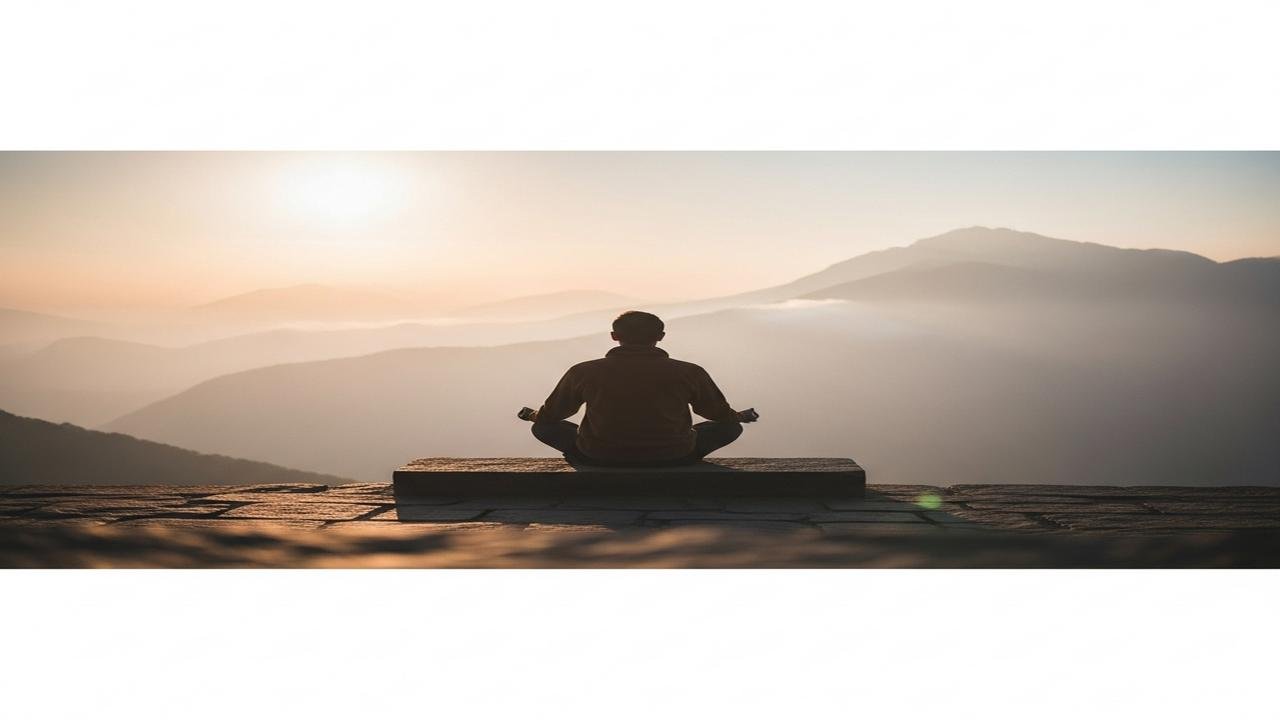
Om Namah Shivaya: Why the Five-Syllable Mantra Matters
-
By
A short explanation: what the words mean
Om Namah Shivaya is a Sanskrit mantra. Broken down simply:
Om — the primal syllable, often ...
08
Sep
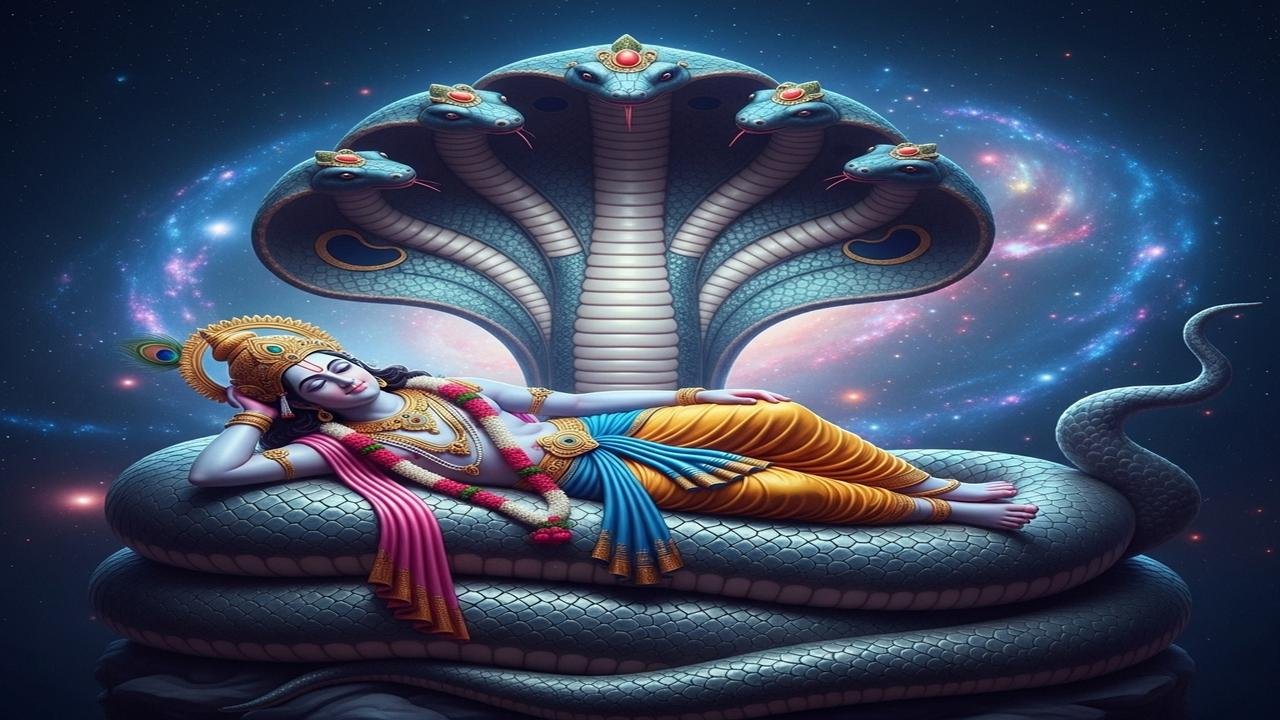
Vishnu Reclining On Ananta: Yoga-Nidra And Cosmic Renewal
-
By
The image and its elements
One of the most persistent images in Hindu imagination is **Vishnu reclining on the cosmic ocean** — a sere...
08
Sep
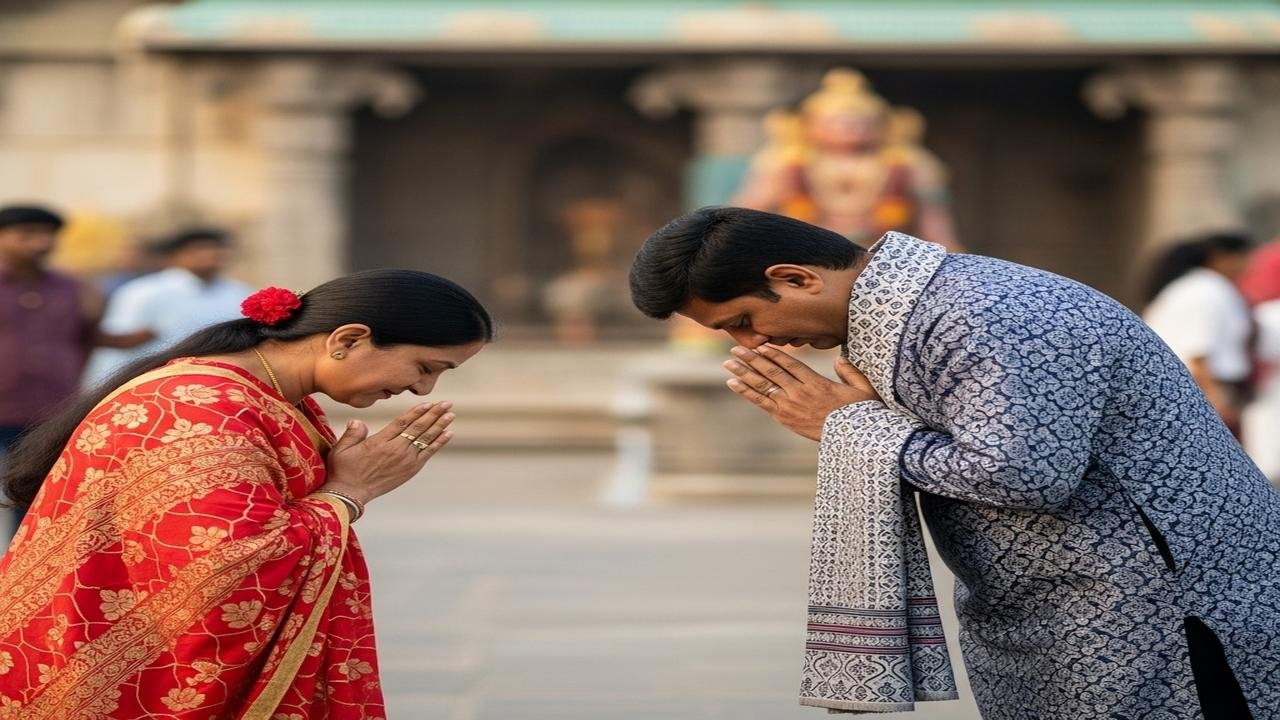
Bowing at a Hindu Temple: Meaning, Rituals, Etiquette
-
By
What does bowing before a temple mean?
Bowing at a temple threshold is one of the most visible Hindu actions — hands folded, forehead l...
08
Sep
Holika Dahan Phalguna Full Moon Bonfire Before Holi
-
By
Background and myth
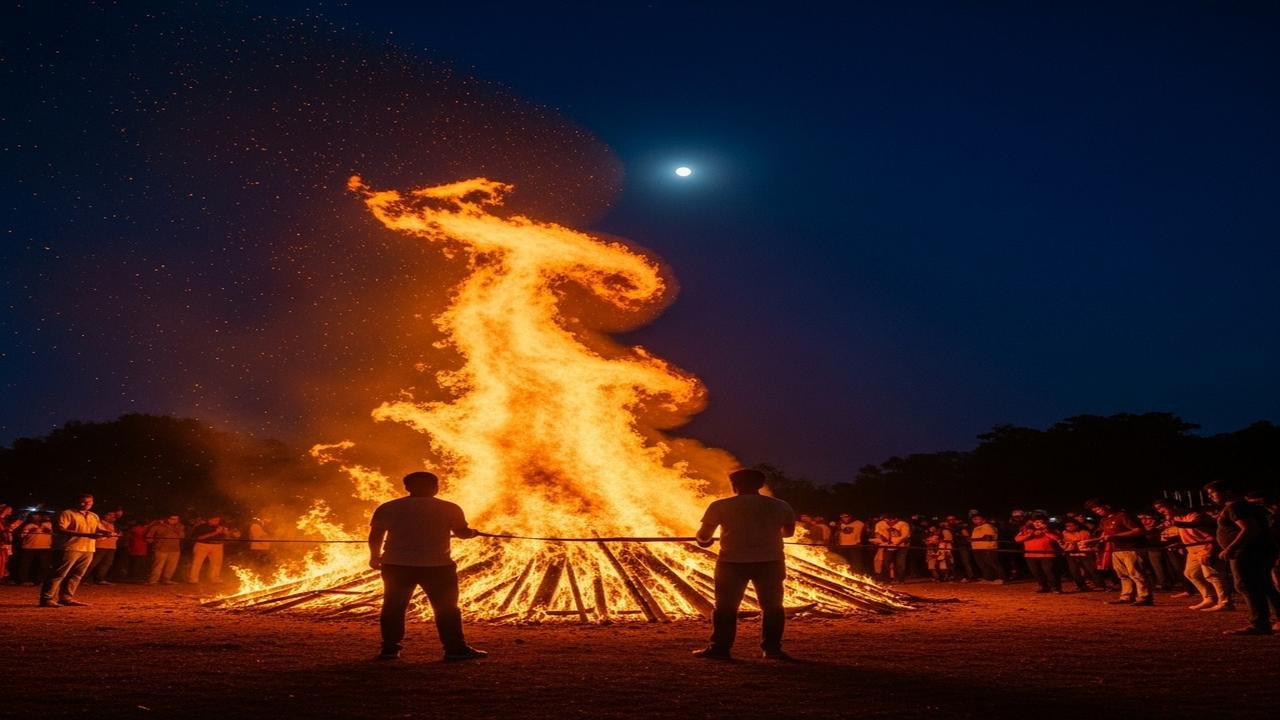
Holika Dahan is the nighttime bonfire that opens the festival of Holi. The ritual commemorates a well-attested Pur...
08
Sep
Mount Kailash, 6,638 Metres and the 52 Kilometre Kora
-
By
Opening
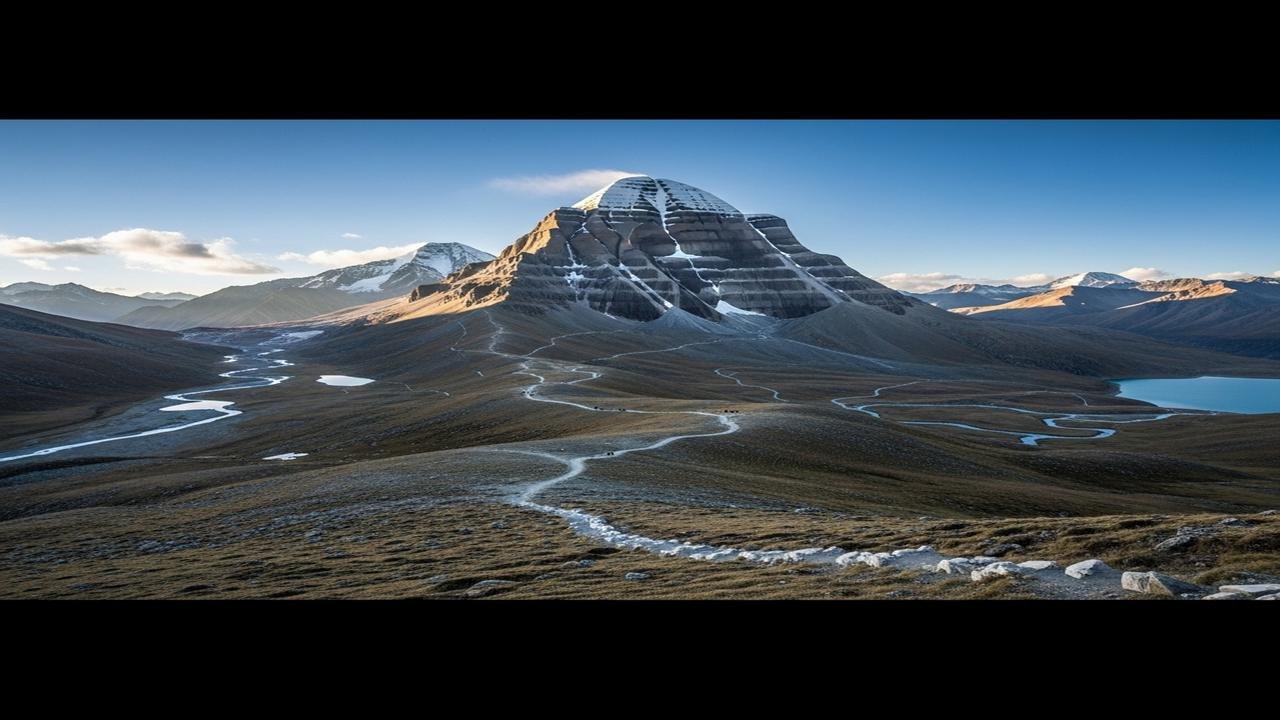
Mount Kailash in the Tibetan plateau is widely known across South Asia as the sacred home of Shiva. The claim mixes geography, ...
07
Sep
Chaturmas: Why Hindus Observe Four Months From June To October
-
By
What Chaturmas is
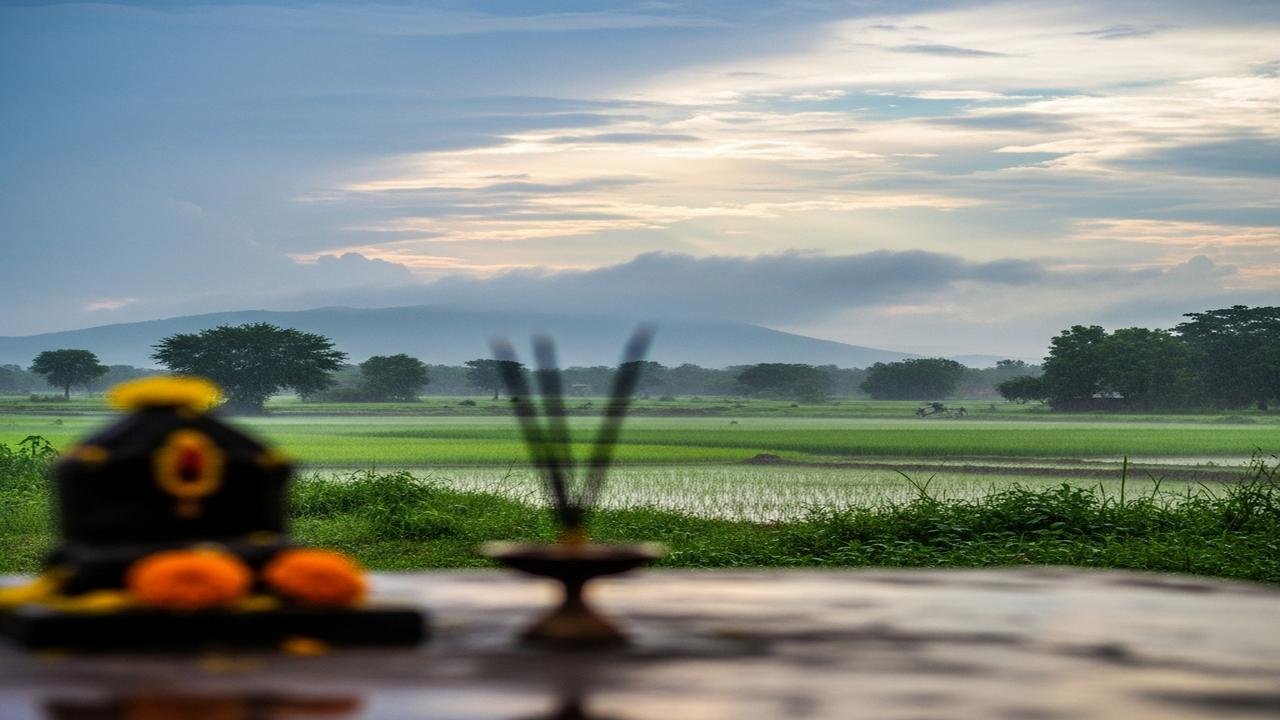
Chaturmas — literally “four months” — refers to the annual four‑month period in the Hindu lunar calendar when many o...
07
Sep
Kumkum, Sindoor And Bindi: Marriage, Devotion, Identity
-
By
Introduction
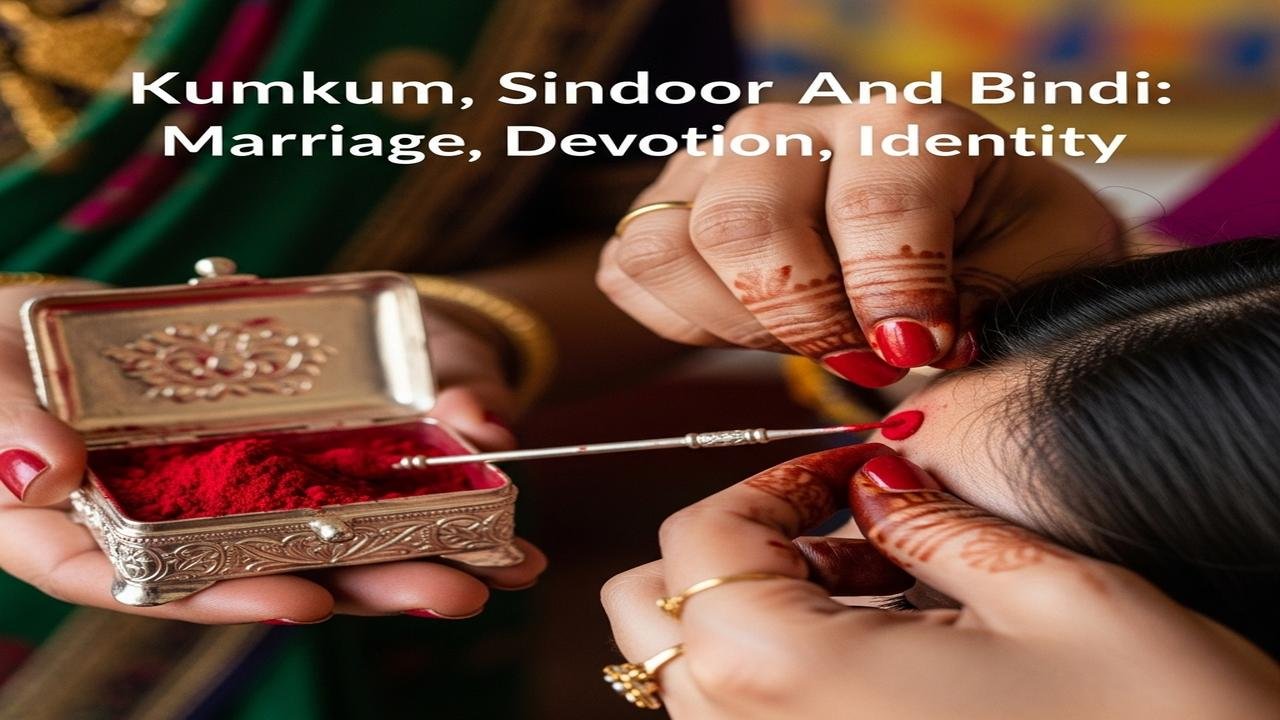
The red powder many people call kumkum — commonly known outside scholarly contexts as vermilion or sindoor — is one of th...
07
Sep
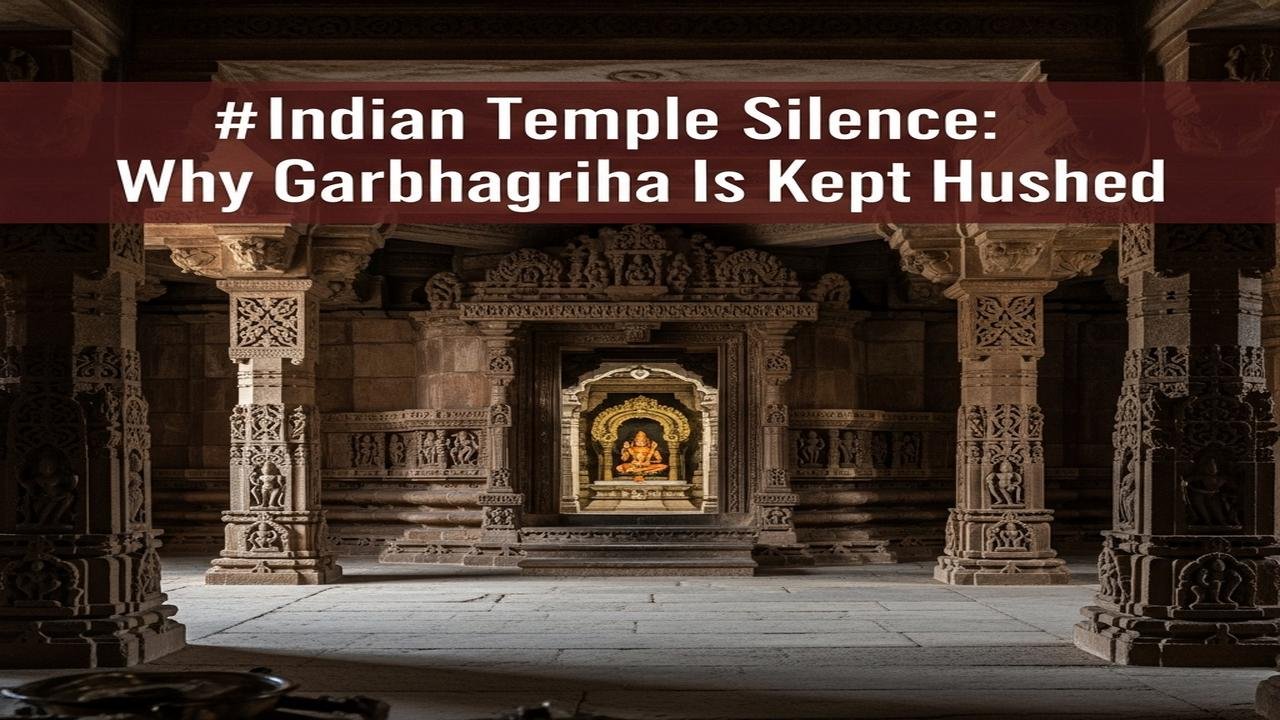
Indian Temple Silence: Why Garbhagriha Is Kept Hushed
-
By
Silence as a cultivated space
Walk into many Indian temples and you'll notice a particular stillness: hushed footsteps, soft whispers ...
07
Sep
Mahashivratri: Why Devotees Fast On The 14th Lunar Night
-
By
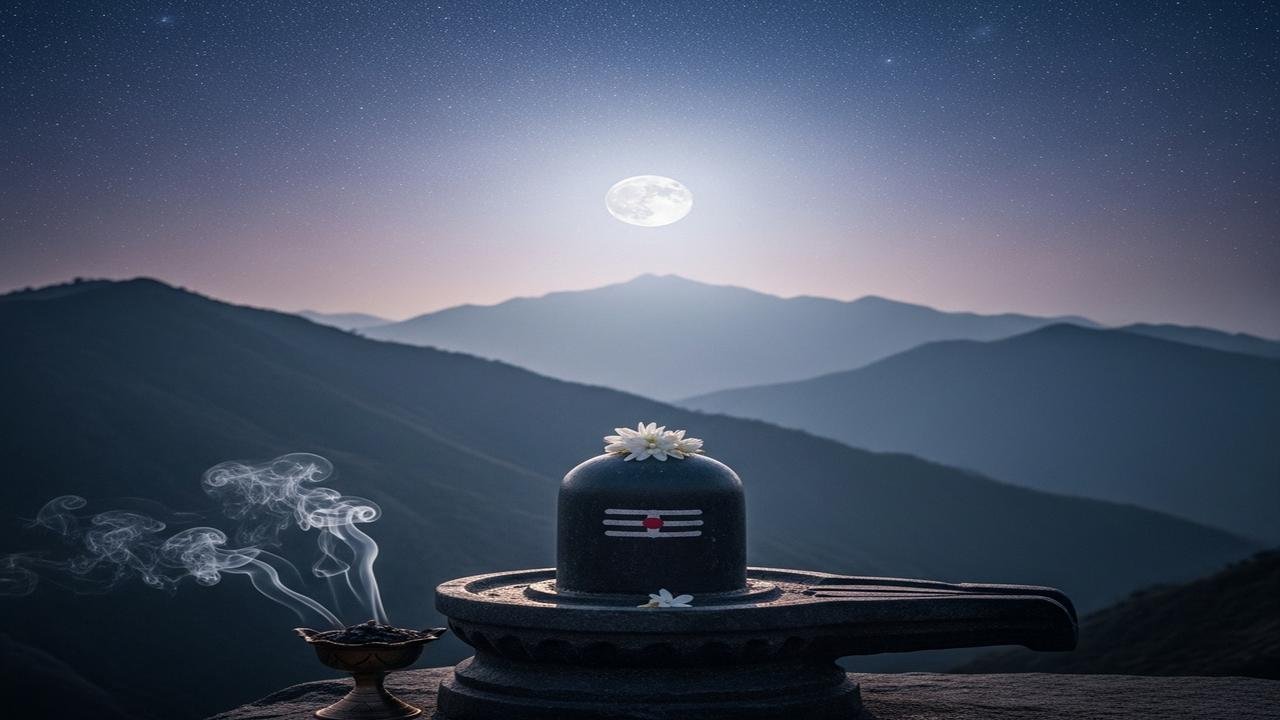
Mahashivratri: what the fast marks
Mahashivratri — literally “the Great Night of Shiva” — is observed on the 14th lunar night (chaturd...