
07
Sep
Mahāśivarātri: Why The 14th Lunar Night Is Sacred
-
By
G S Sachin
Overview: what Mahāśivarātri is
Mahāśivarātri — literally “the Great Night of Śiva” — is an annual Hindu observance devoted to Lord Śiv...
07
Sep
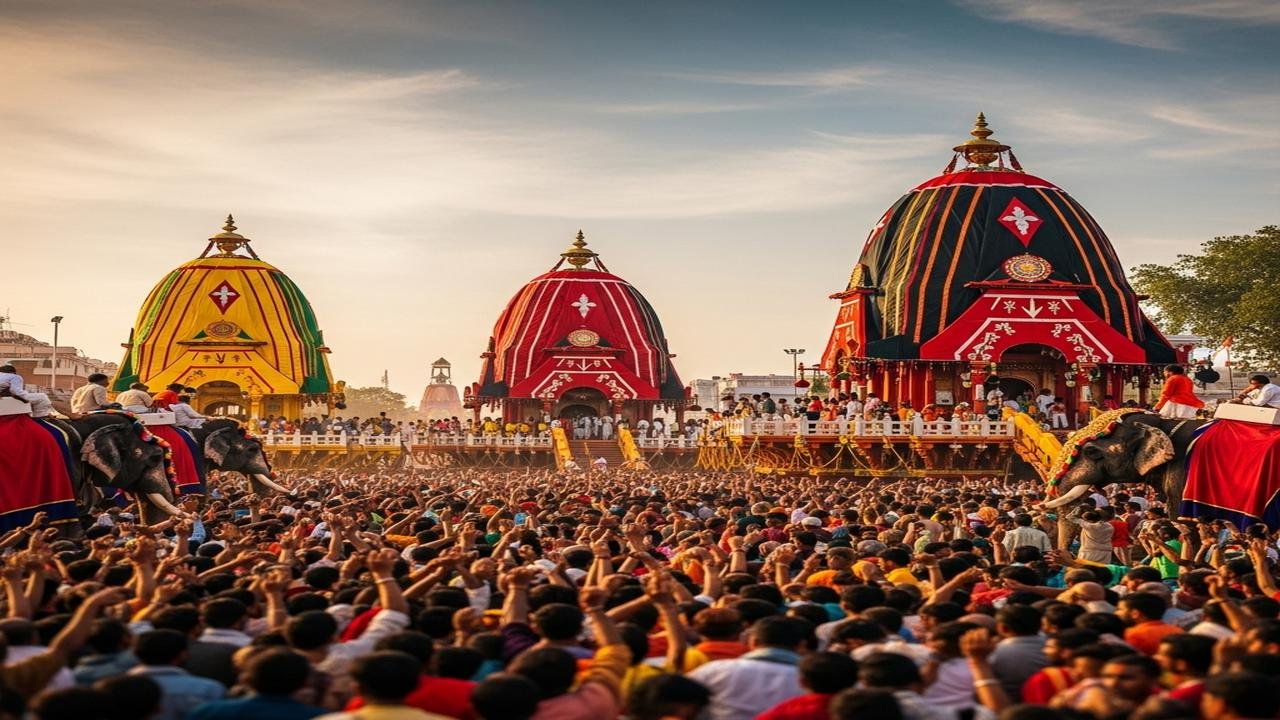
Jagannath Rath Yatra: Why Puri’s Three Chariots Mystify
-
By
Opening the chariot door: why Jagannath Rath Yatra still feels mysterious
The Rath Yatra of Jagannath — literally “Lord of the World” ...
06
Sep
Mahamrityunjaya Mantra: Tryambakam, 108 Beads For Protection
-
By
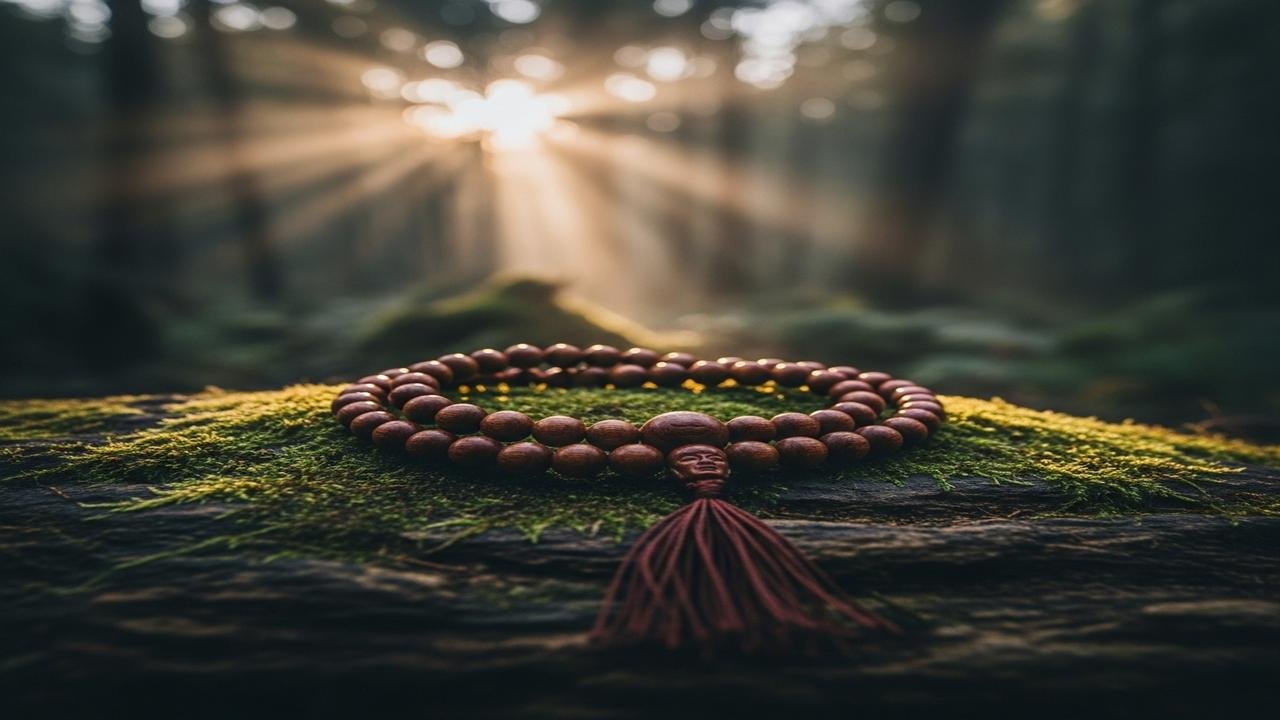
What the Mahamrityunjaya Mantra is
The Mahamrityunjaya Mantra — often called the Tryambakam mantra — is one of the best‑known Vedic inv...
06
Sep
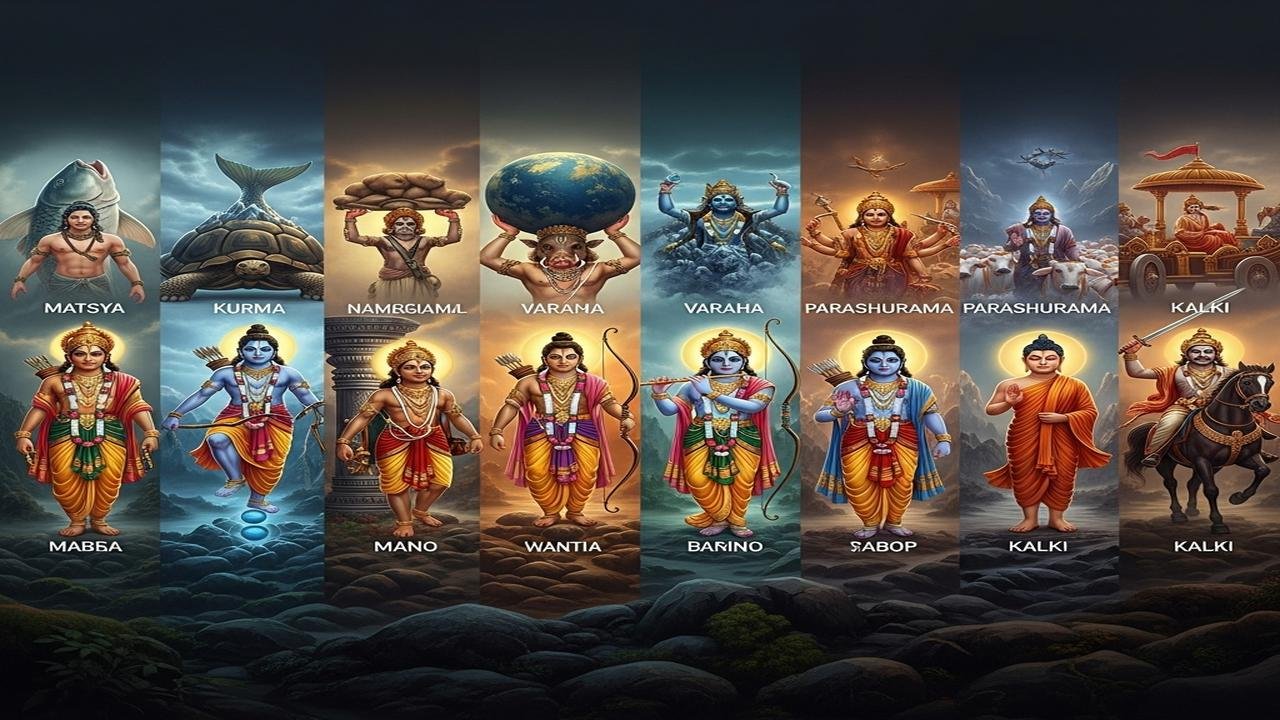
Ten Avatars Of Vishnu From Matsya To Kalki Explained
-
By
Why the ten avatars matter
In Hindu thought, an avatāra — literally “descent” — is a divine manifestation that restores dharma (ethical...
06
Sep
Goddess Kali: Fierce Form From Devi Mahatmya Explained
-
By
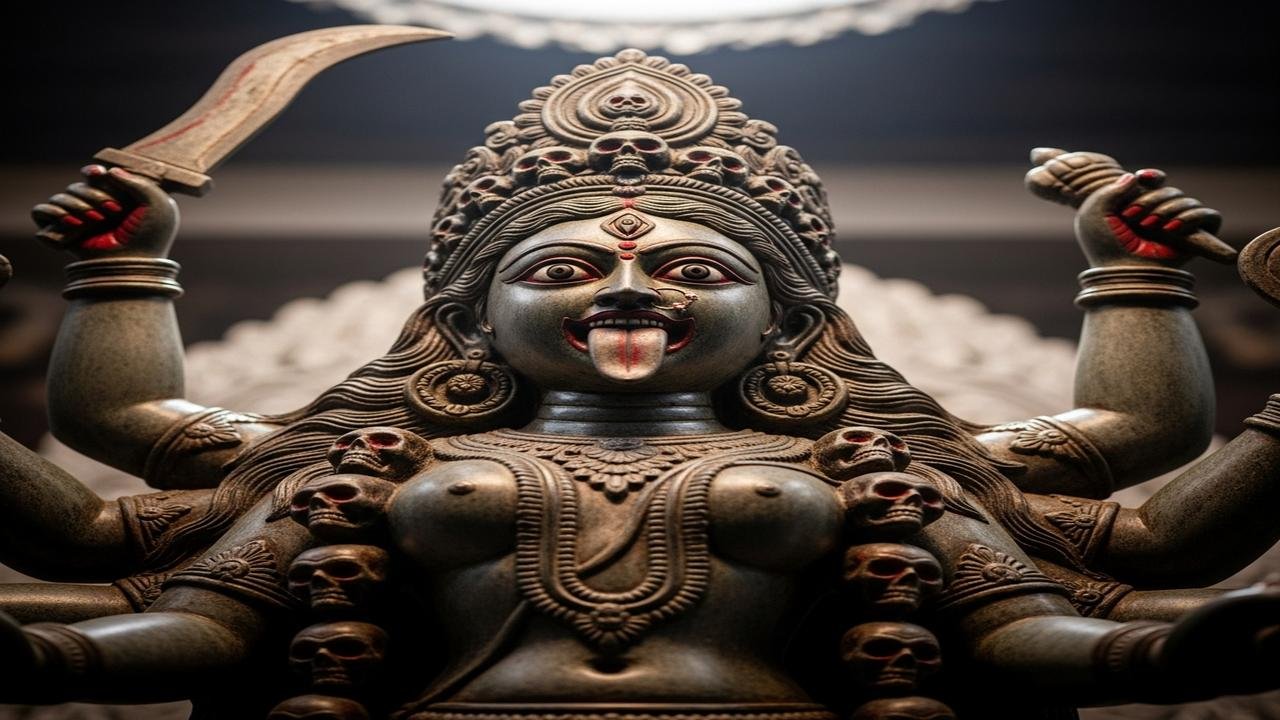
Why is Goddess Kali shown fierce?
The figure of Goddess Kālī — often translated as “the black one” and closely associated with kāla (t...
06
Sep
Ravana’s Ten Heads: Meanings From Senses to Pride
-
By
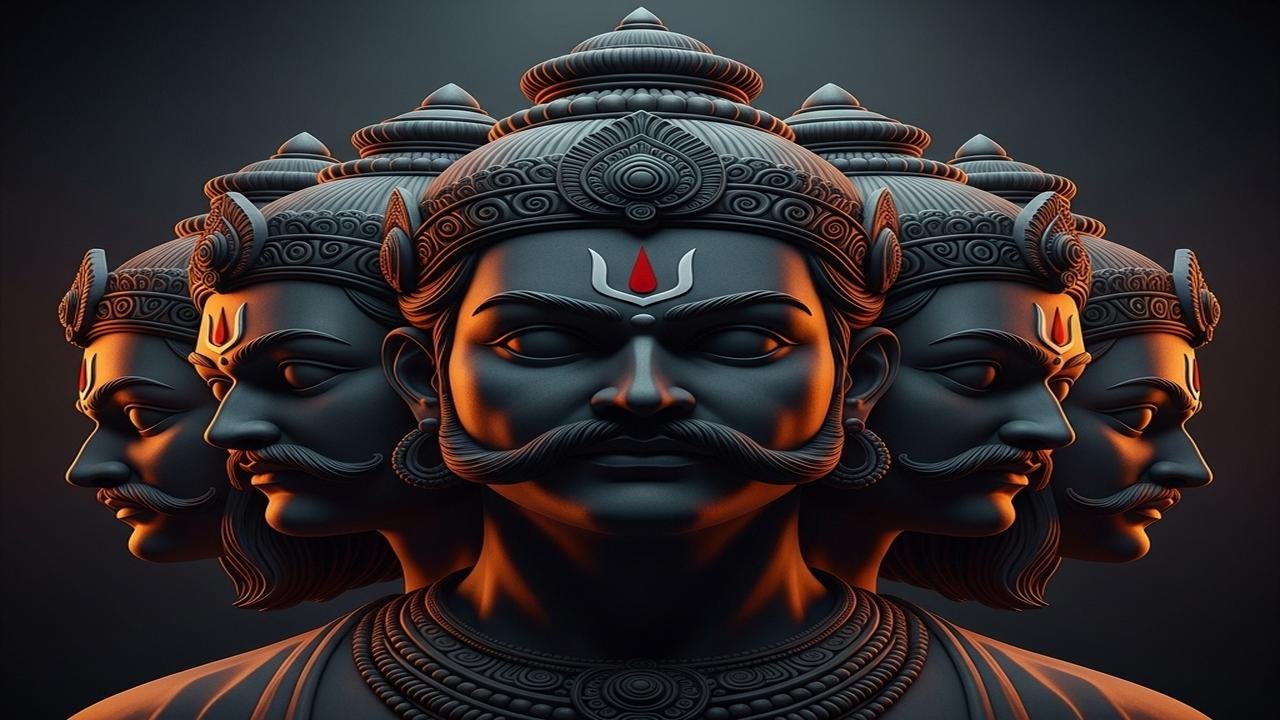
Ravana’s ten heads: more than a visual motif
The image of Ravana with ten heads is one of the most striking in the Hindu imagination. ...
06
Sep
Diwali Lights: What Kartika Amavasya Lamps Mean
-
By
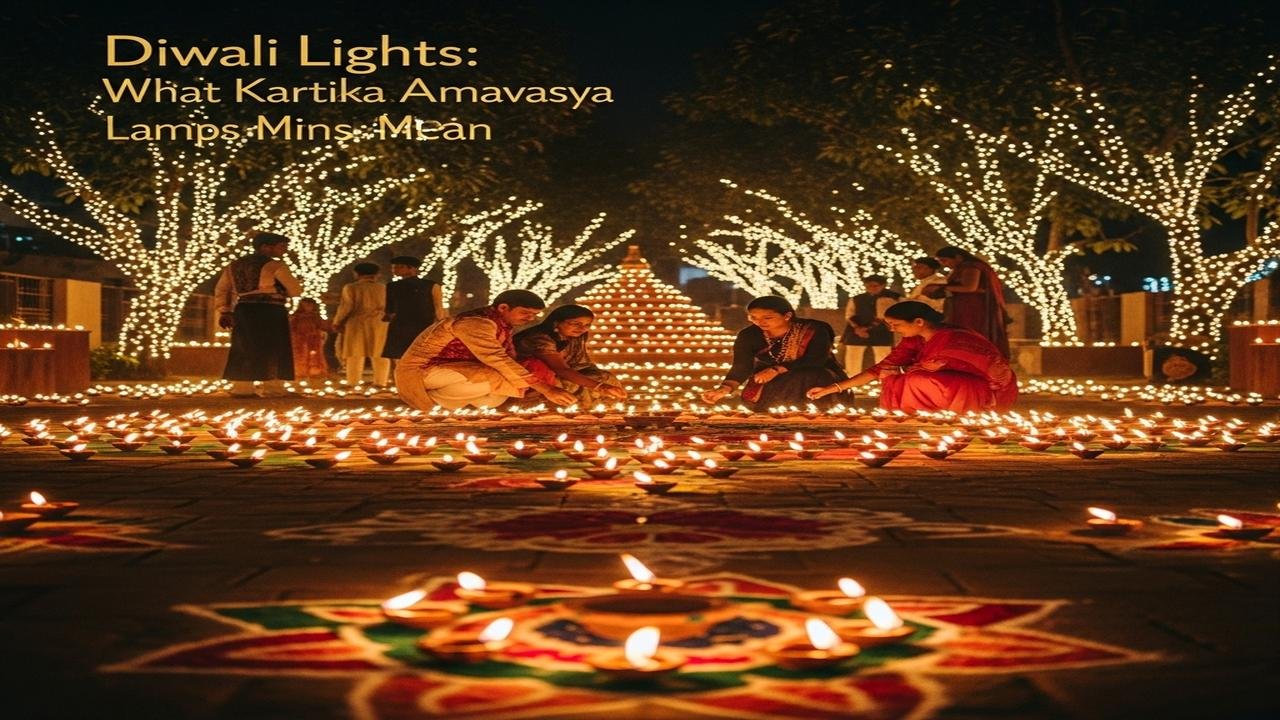
Why lights are central to Diwali
Diwali, often called Deepavali — “row of lamps” — is observed on the new‑moon night (Amavasya) of the...
06
Sep
Rama’s Exile From Ayodhya: Why He Accepted Fourteen Years
-
By
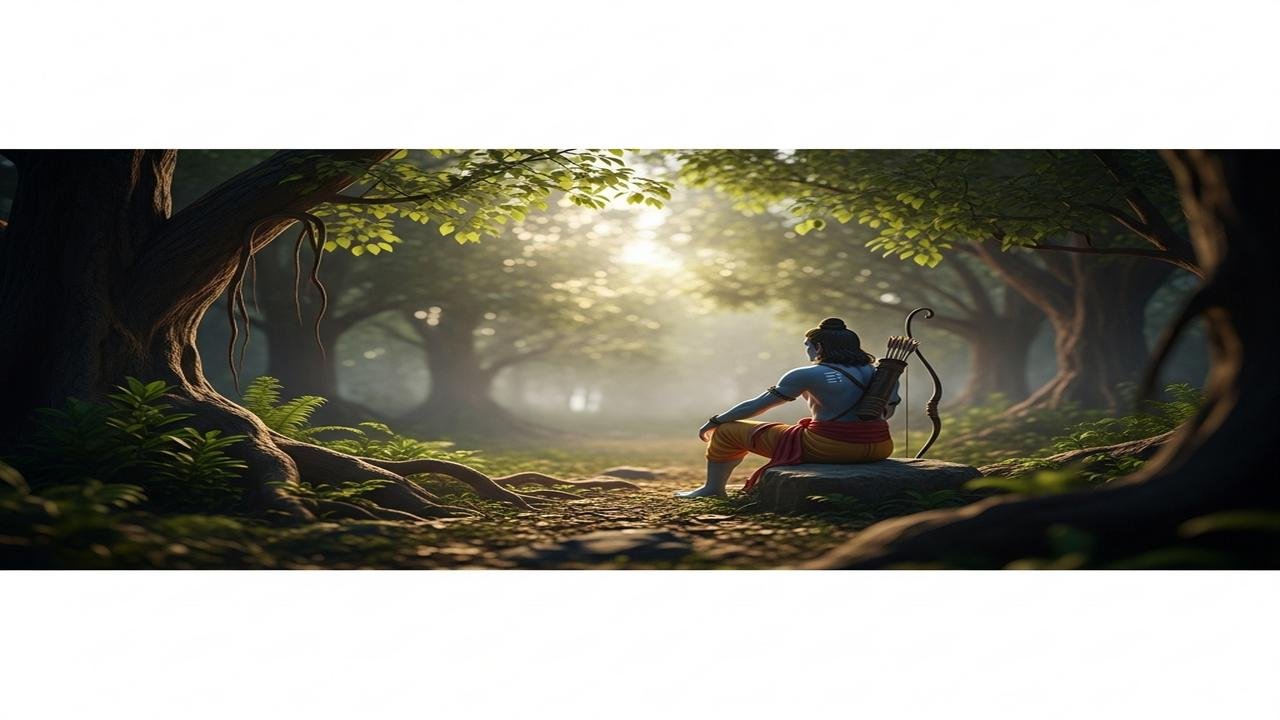
Context and sources
The exile of Rama is one of the central episodes of the Rāmāyaṇa, the Sanskrit epic traditionally attributed to th...
06
Sep
Rivers in India: Sacred Lifelines From Rigveda to Kumbh
-
By
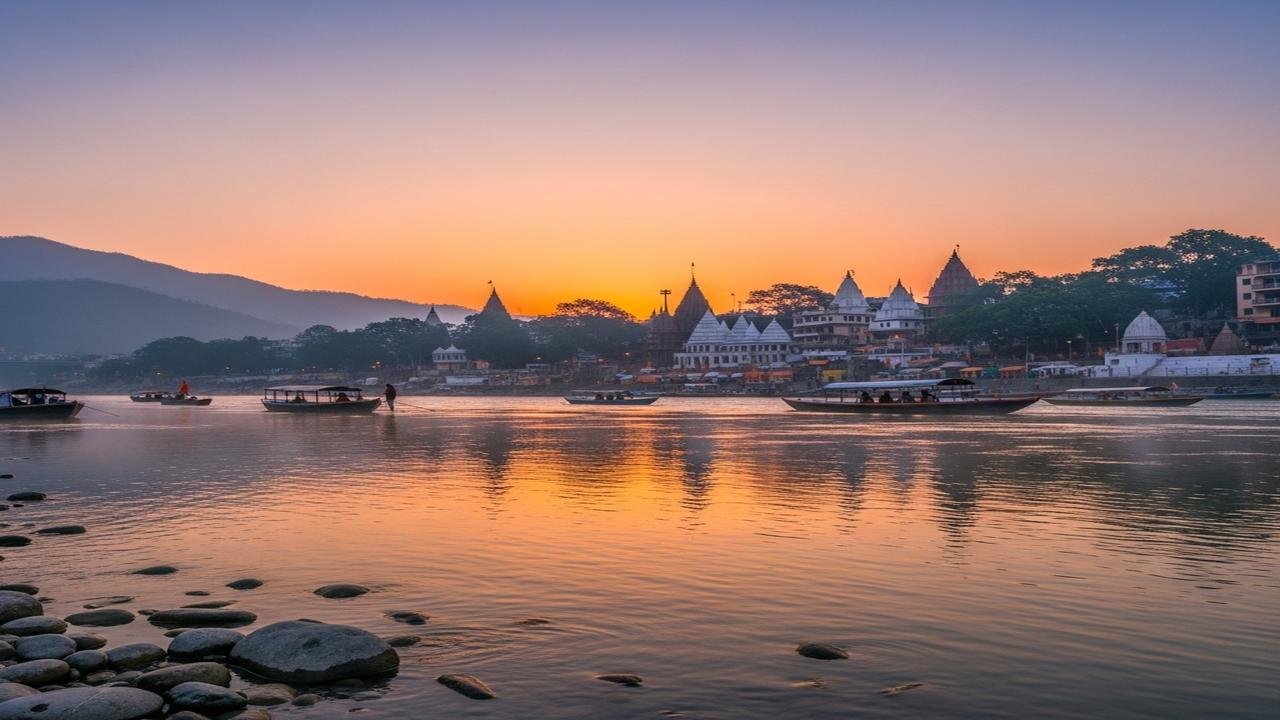
Rivers as living beings and lifelines
In India, rivers are more than watercourses. They are described in texts and lived traditions as ...
05
Sep
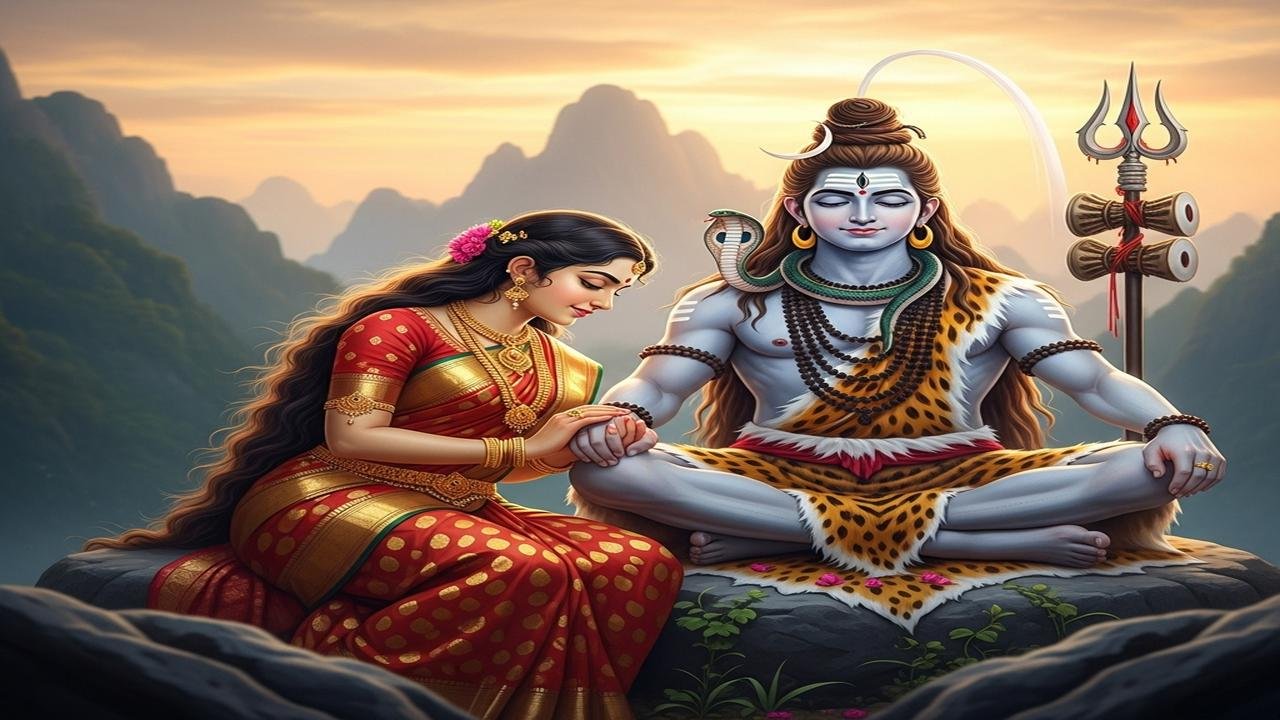
Shiva and Parvati: The Purusha and Prakriti Union
-
By
Many stories, one ritual image
The marriage of Shiva and Parvati appears across Puranic narratives and classical poetry.
In the Shiva P...