
Gen-Z Baby Names That Are Related To Lord Kartikeya

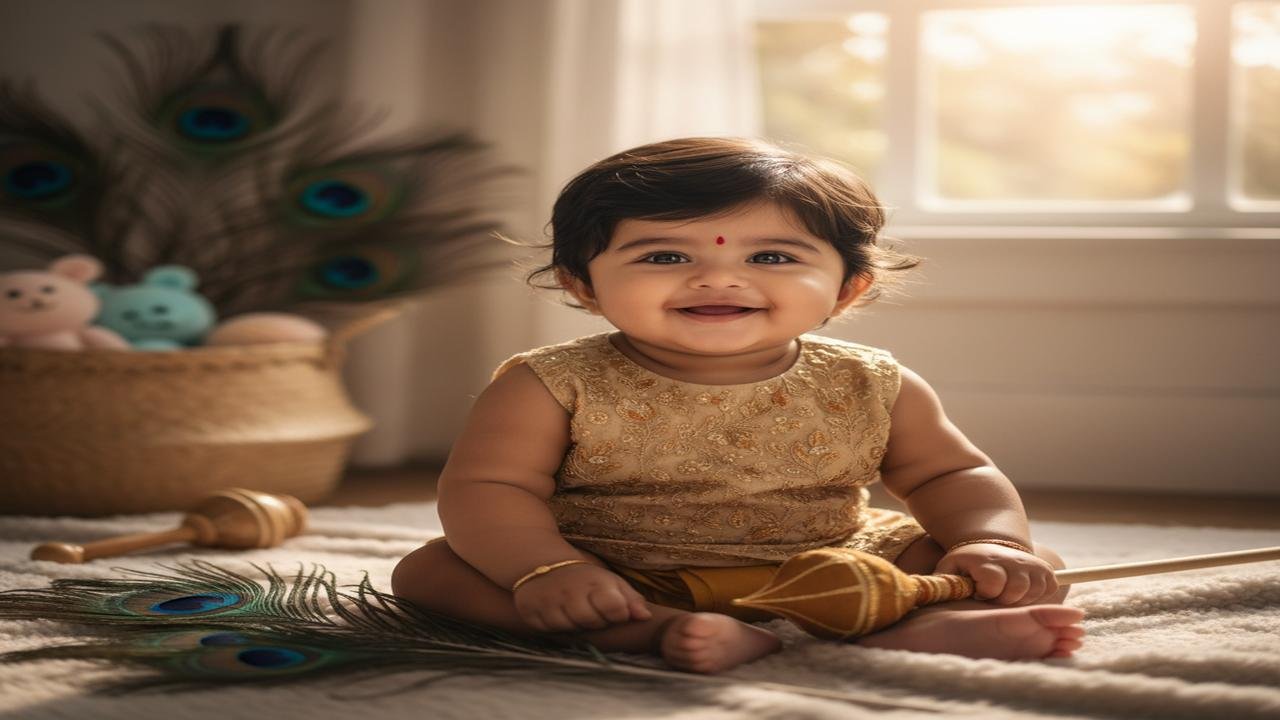
Why Kartikeya-inspired names appeal to Gen‑Z parents
Lord Kartikeya (also known as Skanda — a warrior god, and Murugan in Tamil traditions) is associated with youth, courage, leadership and beauty. For many parents today these qualities feel modern and aspirational without being bombastic. Short, crisp forms (Karthik, Kaan, Vel) and regional variants (Karthi, Saravanan, Murugesh) map well to contemporary tastes while keeping a clear cultural root.
Quick cultural and scriptural context
In many Puranic sources — notably the Skanda Purana — Kartikeya is the son of Shiva and Parvati, born to defeat cosmic demons. In Tamil bhakti traditions, Murugan is a central deity with unique myths, temples (Palani, Tiruchendur), and festivals such as Thaipusam and Skanda Shashti (the sixth day — shashti — associated with his victory). In Śaiva texts he is often described as the commander of the gods; regional worship and stories vary, so meanings and associate forms differ across India.
How to choose a Kartikeya‑linked name for a Gen‑Z baby
- Decide on regional register: Sanskrit (Karthikeya, Skanda), Tamil (Murugan, Saravanan), or a hybrid modern form (Karthik, Kaan).
- Consider sound and shortness — one or two syllables are currently fashionable among Gen‑Z parents.
- Think about gender: some names are traditionally masculine, some feminine (often names of the deity’s consorts), while several are comfortably unisex.
- Be aware of religious sentiment: full divine names may be treated with devotion in some families; discuss within the family/community if that matters.
Suggested names grouped by style
Classic / Sanskrit-rooted (formal, devotional)
- Karthikeya (Kar-thi‑kē‑ya) — the full Sanskrit name; directly devotional.
- Skanda (Skan‑da) — an ancient name appearing in Puranic and tantric texts.
- Subramanya (Su‑bra‑ma‑nya) — another traditional epithet; often used in South India as Subrahmanya.
- Shanmukha (Shan‑mu‑kha) — “six‑faced” (an epithet appearing in many texts); Shanmukh is a common shorter form.
- Kumara (Ku‑ma‑ra) — literally “youth” or “prince”; used in scriptures for Kartikeya and other youthful deities.
Short, modern and Gen‑Z friendly
- Karthik / Karthik (Kar‑thik) — crisp, widely used; modern and pan‑Indian.
- Karthi (Kar‑thi) — Tamil short form popular among younger families.
- Kaan (Kaan) — inspired by regional short forms like Kandan; contemporary and minimal.
- Skand (Skand) — trimmed, edgy variant of Skanda.
- Vel (Vel) — the divine spear (vel) carried by Murugan; single‑syllable, strong sound.
- Velan (Ve‑lan) — “one of the Vel”; Tamil‑flavoured modern name.
Names reflecting attributes, vehicles and symbols
- Mayur / Mayuresh (Ma‑yoor / Ma‑yu‑resh) — from mayura (peacock), the deity’s vahana; Mayuresh = “lord of the peacock.”
- Senan / Senapati (Se‑nan / Se‑na‑pati) — “commander” or “general,” reflecting Kartikeya’s role as commander of the gods.
- Vetri (Vet‑ri) — Tamil word for “victory,” an attribute often associated with the god’s martial role.
- Velsai (Vel‑sai) — modern compound suggesting “one of the Vel’s lineage” or “of the spear.”
Feminine and consort‑linked names
- Devasena (De‑va‑se‑na) — the classical consort of Kartikeya in many texts; devotional and lyrical.
- Valli (Val‑lee) — the rustic consort in Tamil Murugan lore; widely used as a girl’s name.
- Saravana (Sa‑ra‑va‑na) — used for both genders in parts of South India; linked to the Saravana Lake origin story of the deity.
Unisex and creatively derived options
- Sarav (Sa‑rav) — short form of Saravanan; fits modern minimal aesthetics.
- Aran (A‑ran) — inspired by epithets implying protection/defence, compact and neutral.
- Skai (Skai) — loose contemporary spin on Skanda/Skand for parents wanting a global‑sounding variant.
Practical notes and cultural sensitivity
- Regional fit matters: names like Murugan, Saravanan and Valli carry strong Tamil cultural resonances; Karthikeya, Skanda and Subramanya read as pan‑Indian Sanskritic forms.
- Pronunciation: keep a simple phonetic guide for family and school; short names sometimes get altered in official forms.
- Religious feeling: in some households using the full divine name (Karthikeya, Skanda) may invite ritual naming customs; in others, secular use is normal. Check with elders if this is a concern.
- Spellings: many names have multiple English spellings (Karthik/Karthik, Murugan/Murugun); choose one that matches your preferred pronunciation for school records and passports.
- Be humble about meanings: epithets and stories vary by text and region; when in doubt, consult local priests, family elders or scholars for nuance.
Final tip
Choosing a name linked to Kartikeya lets a child carry a tradition of courage, leadership and youthful energy. Aim for a name that feels authentic to your family’s language and faith practice, sounds good in daily use, and respects the devotional contexts in which the deity is honoured.
