
Guru Purnima Ashadha Full Moon Honouring Teachers

What is Guru Purnima?
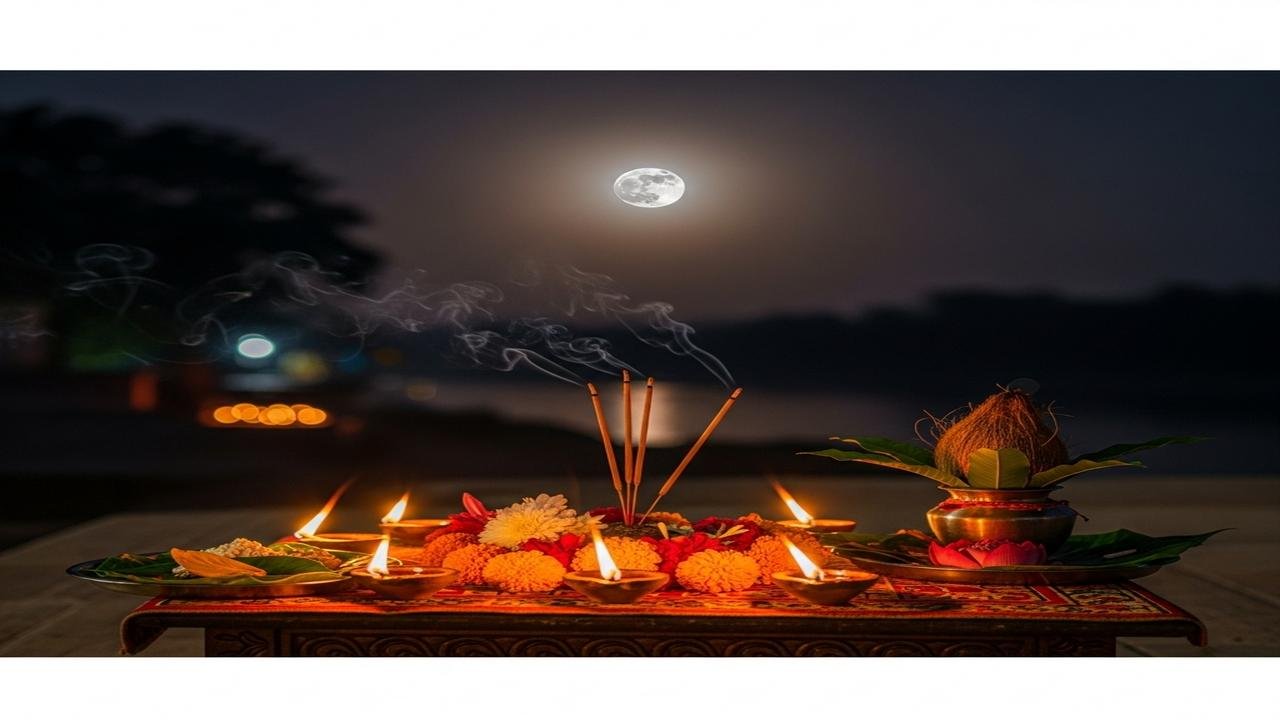
Guru Purnima is an annual observance falling on the full-moon day (pūrṇimā — full moon) in the lunar month of Ashadha (June–July in the Gregorian calendar). It is widely observed across Hindu, Buddhist and Jain communities in the Indian subcontinent as a day to honour teachers. In Hindu contexts it is often called Vyasa Purnima because many traditional calendars mark it as the birthday of Veda Vyasa, the sage who is credited in Puranic accounts with compiling the Vedas and composing the Mahabharata.
Layers of meaning: historical, ritual and spiritual
- Historical/ritual layer: In the older gurukula system a student’s relationship with a living teacher — the guru (literally “remover of darkness”) — was central. The full-moon day in Ashadha became an occasion to publicly acknowledge that bond; in later centuries it merged with Puranic accounts of Vyasa, and classical sources and temple calendars began to call the day Vyasa Jayanti.
- Spiritual layer: Philosophically, the guru is the guide who points the disciple from ignorance (avidyā) toward knowledge (vidyā) and liberation. Different schools describe that role in different terms: in many Bhakti (devotional) traditions the guru is the Lord’s agent; in Advaita and Jnana schools the guru is the one who helps the seeker recognise the Self; in Tantra the guru transmits initiation (diksha) and direct experiential methods.
- Social and pedagogic layer: Guru Purnima is also a social ritual — it renews obligations of gratitude and ethical conduct between teacher and student, affirms lineages, and strengthens communal bonds through satsang (group listening, discussion) and collective readings.
Why the association with Vyasa?
The association of this full-moon with Vyasa comes from later Indian tradition and the ways scriptural memory and social practice interact. Many Puranic and smriti traditions attribute the systematic compilation and transmission of Vedic and Itihasic knowledge to Veda Vyasa. Celebrating his birth and remembering his role became a natural way to honour the idea of the guru-as-revealer and preserver of wisdom. Texts such as the Mahabharata itself and later commentarial literature link Vyasa’s teachings to the guru-disciple lineage that Guru Purnima commemorates.
How it is observed — common practices
- Respect and offerings: Students and disciples honour living gurus with puja (ritual worship), padapūjā (washing and venerating the guru’s feet) and dakshina (a customary gift or fee).
- Study and recitation: Centres often schedule readings of major texts associated with lineages — for instance, recitations from the Mahabharata, Bhagavata, or the Upanishads. In many ashrams the day is used to review teachings received during the year.
- Satsang and lectures: Discourses, question-and-answer sessions and public talks reinforce teachings and allow disciples to ask for clarification and guidance.
- Initiation and transmission: In tantric and some Vaishnava/Shaiva lineages the day is considered auspicious for initiation ceremonies because of its emphasis on the teacher-student bond.
- Acts of service and charity: Food distribution, support for teachers, and community service are common ways of expressing gratitude.
Regional and inter-religious variations
While Guru Purnima is most prominent in Hindu communities, many Buddhist and Jain groups observe the Ashadha full-moon with related emphases on teachers. In Theravada Buddhism, the Ashadha full-moon (Asalha Puja or Dhamma Day) commemorates the Buddha’s first sermon and the turning of the Dhamma; that festival has overlapping themes of teaching and transmission. In Indian Buddhism and some Mahayana communities, Guru Purnima can be a day to honour monastic teachers and lineage gurus. Jain communities also use the day to remember teacherly transmission within monastic lineages.
What the scriptures and traditions say
Classical Indian literature repeatedly stresses the centrality of the guru. Upanishadic passages and later devotional texts describe the guru as the one who removes ignorance and leads the disciple to truth. The medieval and modern hymnody — including verses commonly recited on Guru Purnima — encapsulates these attitudes: reverence for the teacher, acknowledgement of dependence on guidance, and vows of devotion and service. Different schools interpret those scriptural injunctions according to their metaphysical priorities (e.g., divine grace in Bhakti, self-inquiry in Advaita, ritual and initiation in Tantra).
Contemporary relevance
Today Guru Purnima functions at multiple levels. For traditional communities it remains a central ritual moment in the religious year. For modern spiritual seekers and urban ashrams the day is an opportunity to reconnect with a teacher, attend online satsangs, renew vows, or make a public pledge of study. Universities and secular groups occasionally mark the occasion to honour educators, though India’s national Teacher’s Day is observed on 5 September for historical reasons unrelated to the lunar festival.
Points to remember and a brief caution
- Guru Purnima falls on Ashadha Purnima — the full moon in the lunar month of Ashadha (June–July), date shifting each year according to the lunisolar calendar.
- Different lineages and regions observe different rituals and give different theological emphasis; descriptions above summarise common patterns rather than exhaustive rules.
- If you plan to observe the day with prolonged fasting or intense breath/meditation practices, consult your teacher or a trusted medical advisor; traditions vary and some practices may not suit everyone.
Conclusion
We celebrate Guru Purnima because it gives social and spiritual form to the universal human fact of dependence on teachers. Historically linked with Veda Vyasa and the cyclical rhythms of the lunar year, the festival invites gratitude, recommitment to learning, and recognition of the living transmission that keeps scriptural and experiential traditions alive. Whether understood as a celebration of an individual sage, a ritual of initiation, or a wider ethic of reverence for knowledge, Guru Purnima remains a meaningful occasion across India’s diverse religious landscape.
