
Ram Navami Special: 10 Divine Baby Names Inspired by the Ramayana

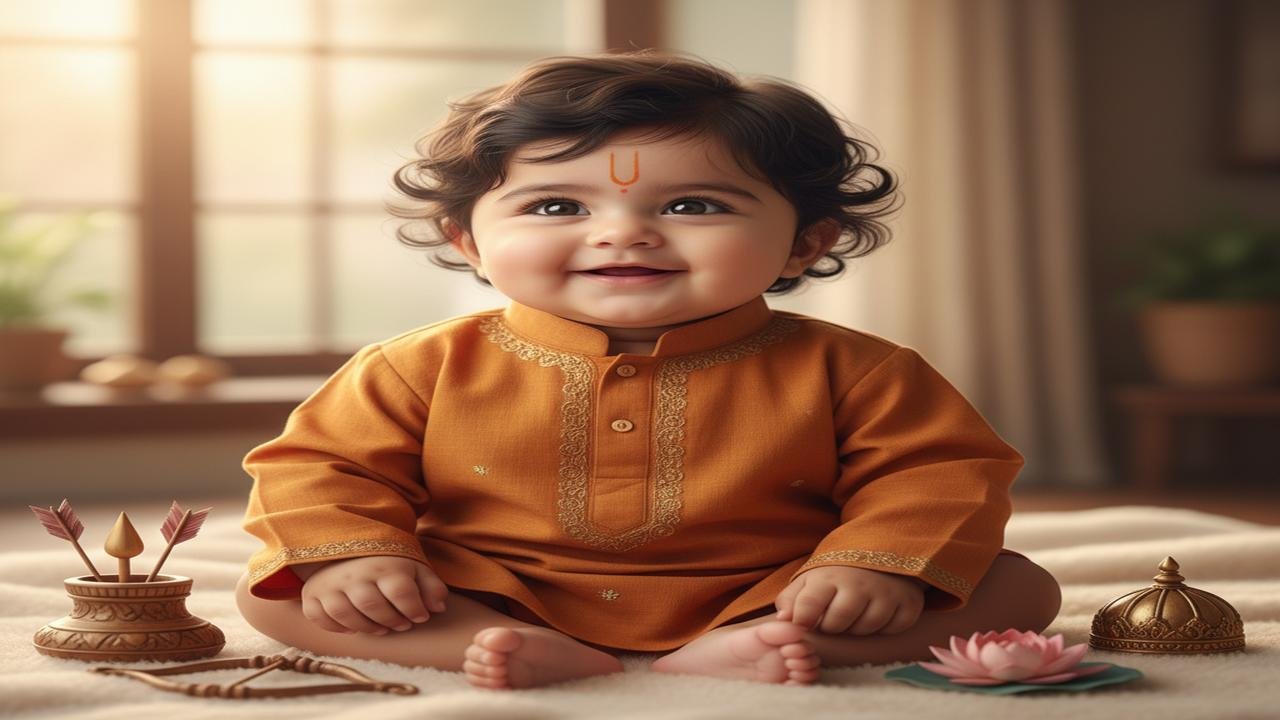
Ram Navami: a brief context
Ram Navami marks the birth of Rama, the central figure of the ancient epic the Rāmāyaṇa. The festival falls on the ninth day (Navami) of the waxing moon in the month of Chaitra (usually March–April). Observances across India include puja, public readings of the Rāmāyaṇa, processions and, in many families, special meals or fasting. If you plan a fast or prolonged vigil as part of the festival or naming ritual, please take basic health precautions and consult a medical professional if you have concerns.
Choosing a name on or for Ram Navami — guiding principles
In many Hindu traditions a name connects the child to family, lineage and spiritual ideals. Consider these practical and cultural points:
- Meanings matter: prefer names whose etymology and values you understand rather than fashionable forms.
- Textual links: a name can evoke a character, an epithet (descriptive title) or a virtue emphasised in the Rāmāyaṇa, such as courage, self-sacrifice or adherence to dharma — ethical duty.
- Avoid sectarian assertions: Rama is revered across Vaiṣṇava, Smārta and many other communities; how one interprets his status (king, avatāra of Viṣṇu, ideal man) varies by tradition.
- Local practice: some families consult nakshatra (birth star) customs or elders; others prefer purely literary inspiration. Respect family and community customs when possible.
How names in this list are presented
Each entry gives the name, a brief meaning, the textual or cultural source in the Rāmāyaṇa or related tradition, and practical notes (gender usage and common variants). Sanskrit terms are glossed on first use (for example, dharma — ethical duty).
Ten divine baby names inspired by the Rāmāyaṇa
- Rama — “pleasing,” “charming.” Rama is the hero of the Rāmāyaṇa and the ideal king and son in many readings. Usage: commonly masculine; used alone or with patronymics (e.g., Ramachandra). Variants and compounds: Ram, Ramachandra.
- Sita — “furrow,” reflecting origin story (found in a furrow in the earth). Sita is Rama’s consort and is often associated with steadfastness, purity and devotion. Usage: feminine. Cultural note: in many traditions Sita is identified with Lakshmi; interpretations vary.
- Lakshmana — “one who has auspicious marks” or “fortunate.” Lakshmana is Rama’s devoted younger brother who exemplifies service and loyalty. Usage: masculine; variants include Lakshman.
- Hanuman — derived from Sanskrit roots often glossed as “disfigured jaw” in some etymologies; culturally Hanuman is the devoted monkey ally of Rama, representing strength, devotion (bhakti) and selfless service. Usage: masculine. Note: Hanuman is a pan-Indian devotional figure beyond the epic alone.
- Dasharatha — “one with ten chariots” or a symbolic royal name; historically the name of Rama’s father and a king whose household obligations lead to the epic’s central events. Usage: masculine; often used less as a personal name and more as a reference in literature or family naming to honour ancestry.
- Shanta — “peaceful” or “calm.” In some versions of the epic, Shanta is named as a daughter of King Dasharatha (textual variants differ on her prominence). Usage: feminine or gender-neutral; appeals for its virtue-centered meaning.
- Vibhishana — “one who has splendid jaws/appearance” in some etymologies; Vibhishana is the Rakshasa prince who defects from Ravana to Rama’s side and is often held up as an example of moral choice and surrender to right action. Usage: masculine; a name that evokes moral courage in dark times.
- Jatayu — name of the noble vulture who attempts to stop Ravana and gives his life trying to protect Sita; the name has come to represent sacrifice and righteousness. Usage: masculine or as a symbolic middle name; less common as an everyday personal name but meaningful for families valuing bravery and protection.
- Shurpanakha — “large or fierce nail,” literally descriptive; sister of Ravana whose role catalyses parts of the narrative. Usage: traditionally feminine. Caution: because her part in the story is complex and often portrayed negatively, families prefer this name mainly in scholarly or theatrical contexts rather than routine naming.
- Raghava — “descendant of Raghu” (the Raghu dynasty). This epithet of Rama denotes royal lineage and is widely used in compound names and devotional songs. Usage: masculine; popular as an epithet in bhajans and formal names (e.g., Raghava Rao).
Pronunciation and modern usage
When choosing a name, consider how it sounds in your family’s everyday language and scripts (Devanagari, Tamil, Telugu, etc.). Short forms and nicknames often emerge naturally: Rama → Ram, Lakshmana → Laku/Laksh. Check how the name fits with surnames and initials to avoid awkward combinations.
Ritual and legal aspects
Many families perform a formal naming ceremony (nāmakaraṇa) on an auspicious day; others register the name in civil records soon after birth. If you observe Astrological customs, consult a trusted practitioner; if not, trust family consensus and the name’s moral and linguistic clarity.
Closing note
Names drawn from the Rāmāyaṇa carry layered meanings — literary, devotional and ethical. They can connect a child to an ideal of conduct and a living cultural memory. Be mindful of interpretive diversity across traditions and choose a name that feels sincere, durable and resonant for your family.
