
Unique Baby Names inspired by the different forms of Shakti

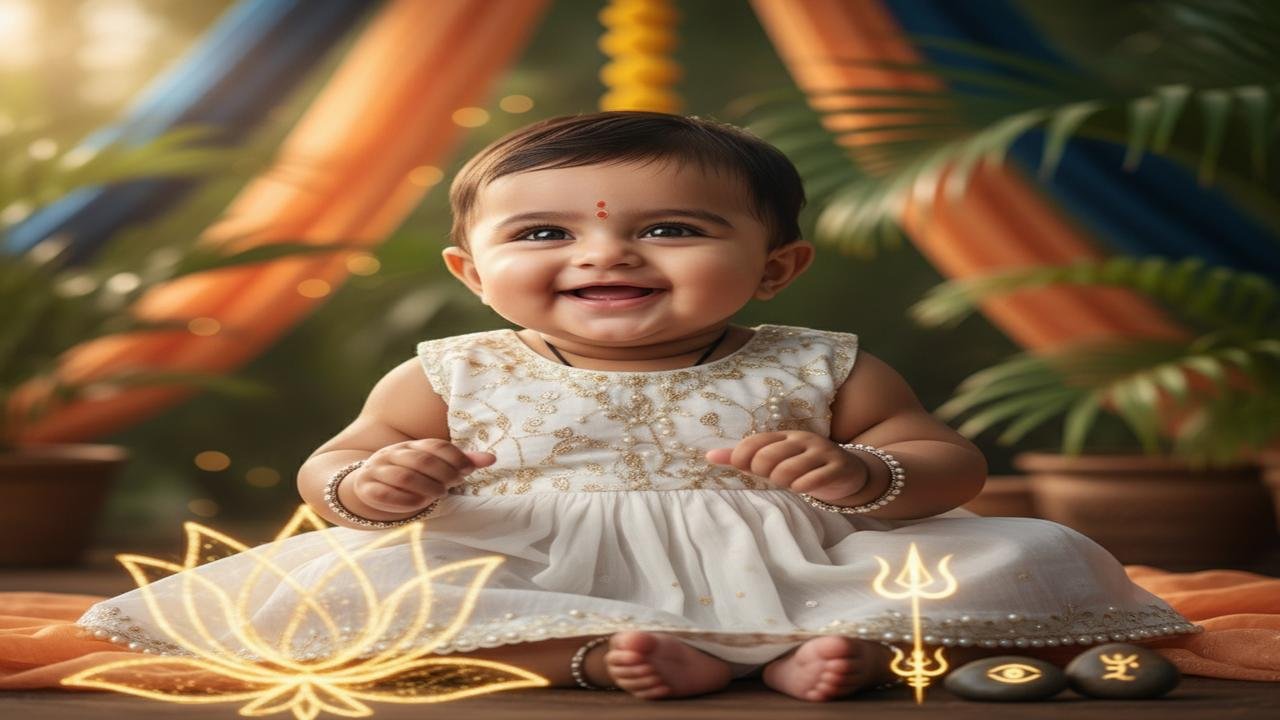
Introduction — what “Shakti” means and why it inspires names
Shakti — literally “power” or creative energy — is a central idea across many Hindu traditions. For some schools (especially Śākta), the Goddess or Devi is the supreme source; in Śaiva and Vaiṣṇava contexts she is often the dynamic partner of a male deity. Because the concept spans scripture, Tantra, folk practice and temple worship, names drawn from Shakti’s many forms carry layers of meaning: power, protection, learning, abundance, transformation. This guide offers respectful, text-aware name ideas inspired by different manifestations of the Goddess, with brief meanings and contextual notes so families can choose with understanding.
How names relate to forms of the Goddess
- Scriptural forms: Names such as Durga, Saraswati and Lakshmi appear in Purāṇas, the Mahābhārata and the Devi Mahatmya (part of the Markandeya Purāṇa, chapters often cited as 81–93).
- Tantric and Śākta traditions: Names like Tripura Sundari, Bhūvaneshvari and Bhairavi have prominence in Tantric and Sri Vidya lineages; usages and symbolism can vary by lineage.
- Folk and regional names: Many local manifestations—Jagadamba, Jagadhatri, Annapurna—carry strong regional devotion and stories important to families.
Naming considerations (respectful and practical)
- Be aware of sectarian sensitivities: a name may have particular reverence in one tradition and different nuance in another. It is fine to use names respectfully, but some families prefer to consult elders or a priest if they plan a formal upanayana or naming samskara with ritual use.
- Pronunciation and script: choose a spelling that preserves intended sound in your language (Hindi, Bengali, Tamil, etc.).
- Gender usage: most Shakti names are feminine; many can be used as unisex or adapted (for example, adding -endra or -esh to create masculine forms is common in Indian naming practice).
- Short forms: consider pet names and longer formal names so everyday use is convenient.
- Ritual caution: if you adopt rituals or vows associated with a form, follow health-safe guidance—avoid prolonged fasting or rigorous practices without medical advice.
Suggested names inspired by major and classic forms
- Durga — “the invincible” or “she who removes suffering.” Central to Devi Mahatmya; widely used and recognisable.
- Kali — “time” or “black one”; a fierce liberating form. In Tantric texts she symbolizes destruction of ego. Often used with reverence; some families prefer derivatives.
- Saraswati — “she of flow” (knowledge, speech, arts); traditionally invoked by students and artists.
- Lakshmi — “fortune” or “prosperity”; linked to household wellbeing and festival of Diwali in many traditions.
- Parvati — “daughter of the mountain,” consort of Śiva; many local epithets derive from her.
- Annapurna — “giver of food,” associated with nourishment and kitchens; popular in temples in Varanasi and other cities.
- Jagadamba — “mother of the world”; used both as devotional name and personal name.
Names from Tantric, Śākta and less common sources
- Tripura Sundari — “beauty of the three cities” (a central Sri Vidya form). Often shortened to Sundari for everyday use.
- Bhūvaneshvari — “queen of the worlds,” a cosmic mother image in Śākta texts.
- Chandi — a wrathful but protective aspect celebrated in the Chandi portion of the Devi Mahatmya.
- Chamunda — a fierce destroyer of demons; appears in Tantric and Purāṇic narratives.
- Bhairavi — a Tantric goddess associated with transformation and the fierce feminine.
- Tripti — derived from satisfaction/contentment, linked to the goddess who bestows fulfillment.
Uncommon, lyrical or modern-adapted names
- Vibha — “radiance,” evokes energetic light of the Goddess; short and modern-sounding.
- Rudrani — feminine of Rudra (a Śiva name), used in Śaiva contexts to honour the Goddess as Śiva’s power.
- Vidhatri — “creator or ordainer,” classical Sanskrit quality often ascribed to Devi.
- Yogini — “one who practices yoga,” also a class of goddesses in Tantric literature; usable as a modern name.
- Mahima — “greatness or glory,” a virtue-name connected to divine splendour.
- Arundhati — a star-associated name and symbol of fidelity; while not exclusively a form of Shakti, it carries feminine sanctity in many stories.
Practical patterns, pet names and declensions
- You can adapt many names for endearment: Durga → Durgi or Duru; Tripura Sundari → Sundari → Sunu.
- To make masculine-sounding variants, families sometimes use forms like Rudra + i → Rudran, but be mindful of theological meanings before changing sacred names.
- Consider syllable count: 2–3 syllables often balance tradition and daily usability (e.g., Vibha, Mahi, Tripti).
Closing note on cultural sensitivity
Names drawn from the Goddess tradition connect a child to a long and living cultural history. Interpretations and devotional practices vary across Śākta, Śaiva, Vaiṣṇava and regional communities; where a name carries strong ritual associations, families often consult elders or their community. Choosing a name with knowledge—about its etymology, scriptural usage and local resonance—helps honour that tradition while giving the child a meaningful identity.
